
Last updated November 21, 2026
 Raised-panel steel
 Carriage house
 Modern flush
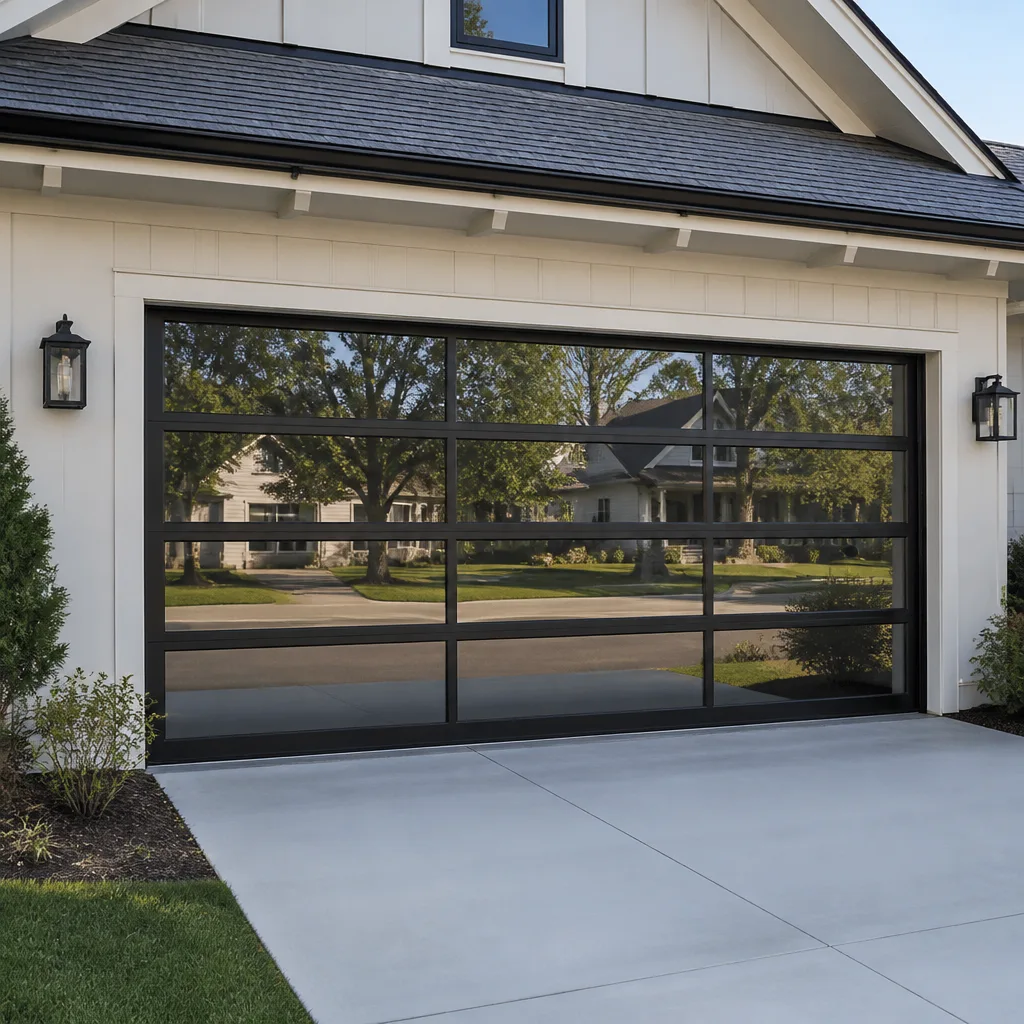 Full-view glass
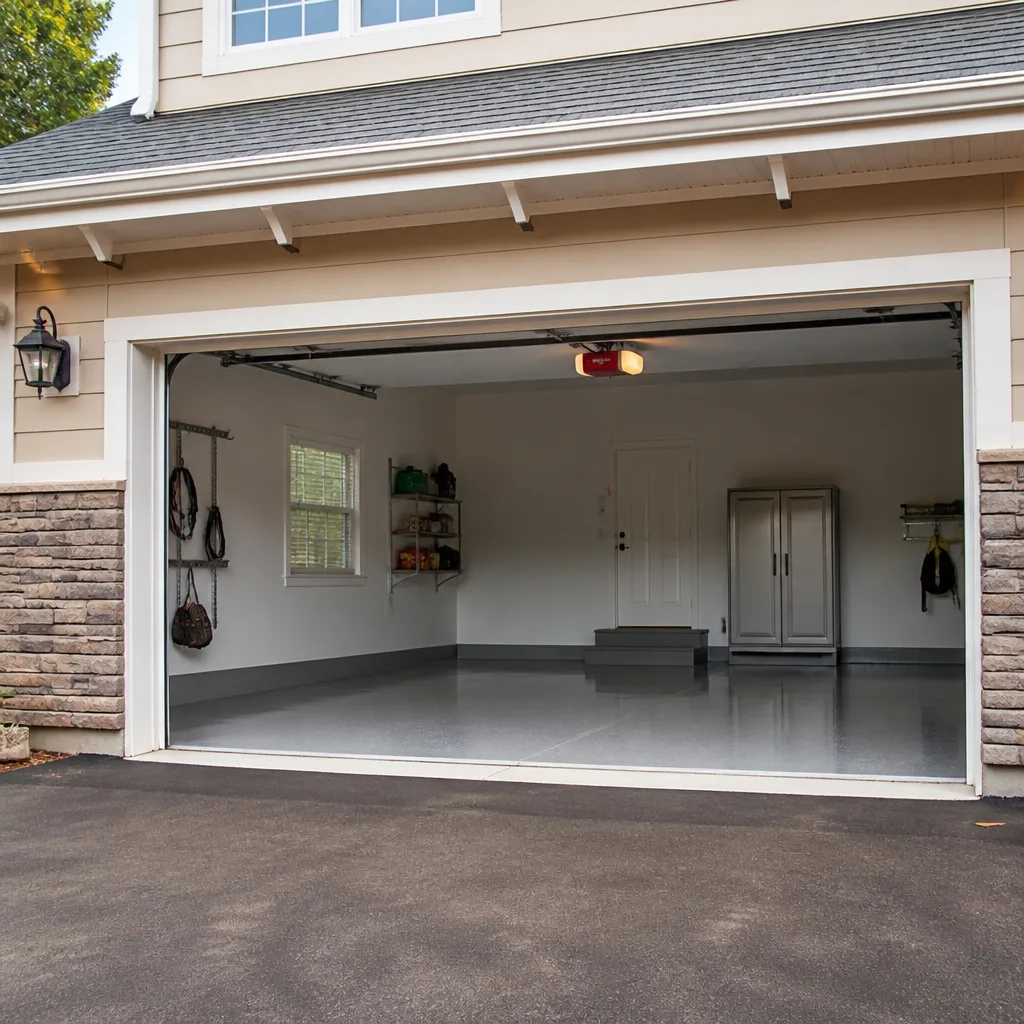 LiftMaster openers
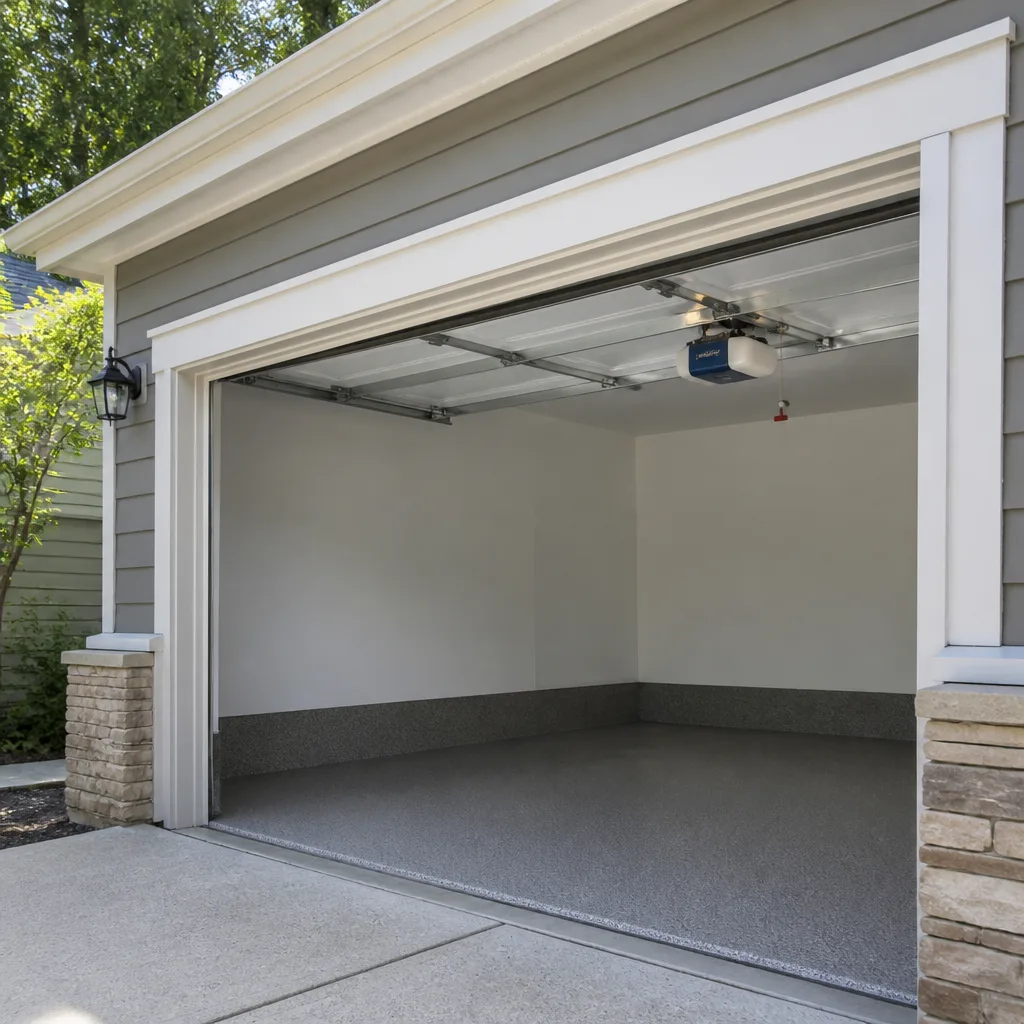 Chamberlain openers
Full 25-point door and opener safety check with every visit - springs, cables, rollers, tracks, and your LiftMaster or Chamberlain opener included
You get a price before we start. It does not change when the pro arrives.
Get your free estimateSeasonal Garage Door Care for Jamaica Plain: Year-Round Homeowner’s Guide
Most homeowners think their garage door fails in summer, when the heat makes everything feel loose and sluggish. The real danger window in Jamaica Plain is late winter. Metal contracts through January, expands a little on the mild days Boston throws in, contracts again, and a torsion spring that’s been quietly carrying hundreds of pounds of door weight reaches its fatigue point at the worst possible moment. February is when we get the most spring calls of the year. The good news: that rhythm is predictable, which means the care calendar is predictable too. This guide walks you through what to do in each season in Jamaica Plain, what to watch for, and what to leave alone.
Quick Answer
Seasonal garage door care in Jamaica Plain comes down to four checkpoints: a fall tune-up in October before the first hard freeze, a watchful winter where you never force a frozen or straining door, a post-thaw inspection in March and April for cable and roller damage, and a summer pass for humidity, UV and opener sensitivity. Do those four and you’ll catch most of the problems this climate creates before they turn into a snapped spring or a door that won’t close. The rest of this guide explains exactly what each checkpoint involves.
Styles & brands we work with
- Raised-panel steel
- Carriage house
- Modern flush
- Full-view glass
- LiftMaster openers
- Chamberlain openers
Table of Contents
- Why Jamaica Plain’s Climate Is Hard on Garage Doors
- Fall Prep: October Is the Most Important Month
- Winter Watch: December Through February
- Spring Recovery: What the Thaw Reveals
- Summer: Humidity, UV and Opener Sensitivity
- The Urban Factor: Road Salt and City Grime
- Your 12-Month Care Calendar
- What You Can Check Yourself vs. What Needs a Specialist
Why Jamaica Plain’s Climate Is Hard on Garage Doors
Jamaica Plain sits in a climate with wide temperature swings between seasons and, more importantly, wide swings within a single week in winter and early spring. That month-to-month pattern matters less than the day-to-day pattern. A garage door is a large moving assembly of steel, springs, cables and seals. Every component expands and contracts at a slightly different rate. A seal that’s pliable in September can be rigid in January and cracked by April.
Those freeze-thaw cycles are the defining stress on a Jamaica Plain garage door. Water gets into the rubber bottom seal, freezes overnight and expands, then thaws the next afternoon. Repeat that 20 or 30 times across a winter and the seal starts to split. The same happens with the metal at the base of the door, which is why the bottom panel of a steel door is usually the first to rust.
Housing stock here adds its own layer. Many Jamaica Plain garages are detached, unheated and older. An unheated detached garage runs colder in winter and hotter in summer than an attached one, so the swing your door experiences is even wider. Homes along the Emerald Necklace and around Jamaica Pond sit in a slightly different moisture band than the higher ground near Forest Hills, and that humidity difference shows up in wood doors first.
We work on the brand you already own, from Clopay steel panels to Amarr and Wayne Dalton units that have been on the same Jamaica Plain garage for years. Knowing how each brand’s hardware and seals age in this climate is most of the diagnostic work.
What actually fails, and in what order
In our experience, the wear order is fairly consistent: seals first, then rollers and hinges, then cables, and finally springs. The springs are the most dramatic failure but not always the first. What changes with a cold snap is the speed. A spring that’s been at the end of its life for months doesn’t announce itself. It just gets weaker, then it goes. The season only determines when.
Fall Prep: October Is the Most Important Month
October is the highest-value month on the garage door calendar in Jamaica Plain. Everything you do before the first hard freeze is work you won’t have to do in a 20-degree wind. The goal of fall prep is to leave the door in a state where winter can’t exploit a weakness. That means soft, well-sealed rubber, properly lubricated moving parts, and springs that are still doing their job.
1. Inspect and treat the weatherstripping
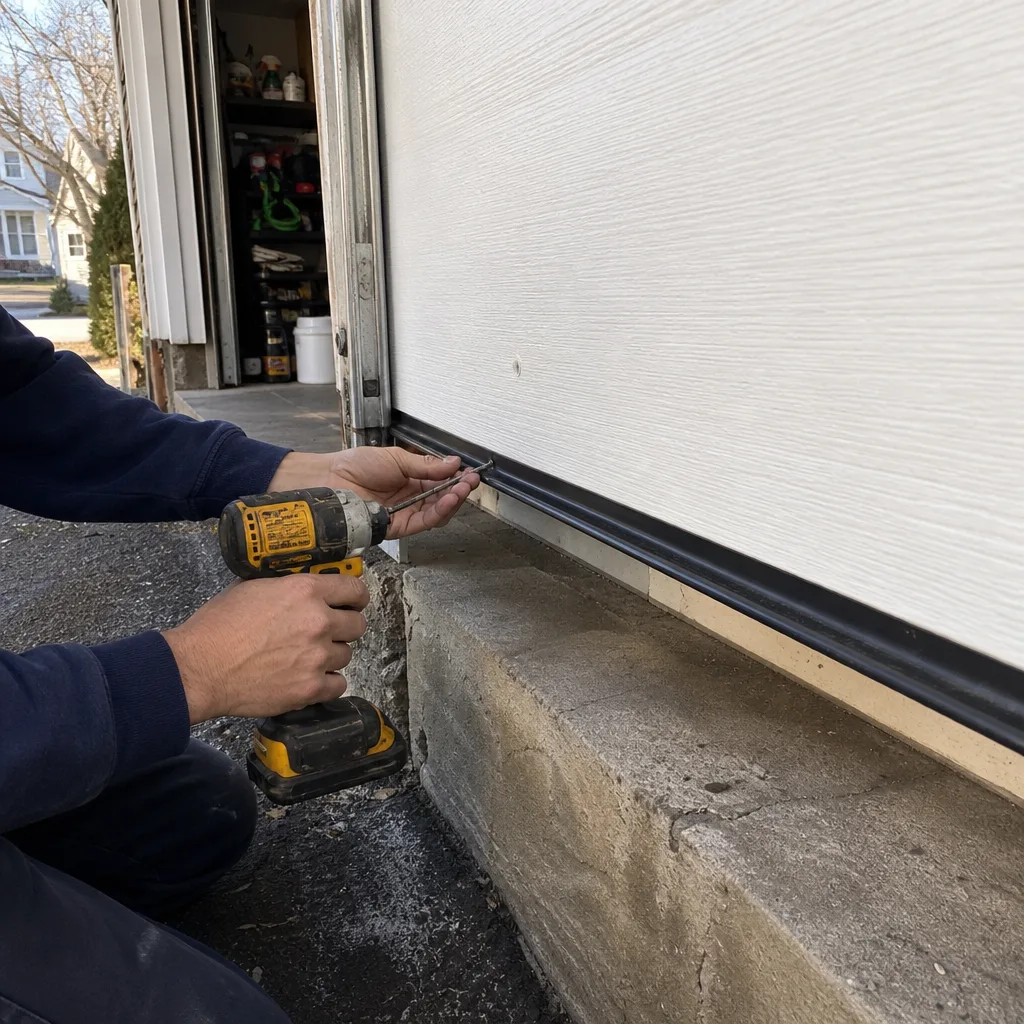
Run your hand along the bottom seal and the perimeter seal. It should feel flexible, not stiff or crumbly. If it’s torn, flattened or pulling away, replace it before the freeze. A seal that’s already cracking in October will leak cold air all winter and let in water that refreezes against the door base. Clean the seal and the threshold, then treat rubber seals with a silicone-based product, not petroleum-based lubricant, which degrades rubber over time.
2. Change your lubricant grade for cold weather
Summer-weight grease thickens in the cold. A lubricant that’s fine in August can become tacky enough in January to make hinges and rollers drag. Switch to a cold-rated lubricant: a lithium or silicone spray made for low temperatures, applied sparingly to the hinges, rollers, and the torsion spring (never to the tracks, and never to the opener’s drive rail unless the manufacturer calls for it). Too much grease is worse than too little; thick buildup collects grit.
3. Check torsion spring tension before the freeze
Before winter, check whether the door is balanced. Disconnect the opener, lift the door halfway, and let it go. A balanced door should sit still or drift very slowly. If it drops fast or rises on its own, the spring tension is off. Have a technician set it correctly before winter, and don’t adjust it yourself. Torsion springs are held under extreme tension and are one of the most dangerous components on the entire door. Adjusting them is a job for a trained professional.
4. Tighten the hardware
Go over the hinges, brackets and track bolts with a wrench. The expansion and contraction of a summer and fall loosens bolts a little at a time. Loose hardware rattles, accelerates wear, and can shift a track just enough to bind the door in cold weather. If you find a mounting point that won’t hold, that’s a structural issue worth a professional look.
Winter Watch: December Through February
Winter is when garage doors get hurt by the person using them, not just by the weather. Two things go wrong in a Jamaica Plain winter: the door freezes to the ground, or the opener has to work harder because everything is stiff. Both tempt you to force the door. Forcing it is what turns a minor inconvenience into a snapped spring or a burned-out opener.
When the door is frozen to the seal
If the door won’t budge after an ice storm or a wet snow that refroze overnight, don’t keep hitting the opener button. The opener will pull until something gives, and what gives is usually the spring or the opener’s gear assembly. Instead:
- Stop pressing the button. Repeated attempts on a frozen door stress the opener and the springs.
- Break the ice at the threshold with a plastic scraper, never a metal shovel that can gouge the seal or the door’s bottom panel.
- Once the seal is free, open the door a foot and check that the bottom seal isn’t torn before opening fully.
- Apply a silicone spray to the seal and threshold so the next freeze releases cleanly.
If the door still won’t open after the ice is cleared, the opener or a spring is the problem. That’s when you call for garage door repair.
When the opener strains in cold weather
A cold opener sounds different: it groans, it hesitates, the door opens slowly, or the safety reverse kicks in and the door goes back down. That’s the opener fighting stiff hardware. The fix is often a cold-weather lubrication pass and a check of the opener’s force settings, not a new opener. If you have a LiftMaster, Chamberlain, Genie or Craftsman opener, our technicians know how the force and travel limits should be set for cold operation; a 20-degree morning is no time to discover that one has drifted.
The February spring question
If a spring snaps, you’ll hear it: a loud crack from the garage, and the door won’t lift. Springs don’t fail at random. A spring that’s been losing tension all winter reaches its limit at the coldest, most-stressed point of the year. That’s why February produces more spring failures in Jamaica Plain than any other month. A snapped spring is not something to limp along with. The door is dangerously unbalanced, and the opener will try to lift a door it can’t hold. Spring replacement is a same-day job when you call, and it’s a job for a specialist, not a generalist.
Spring Recovery: What the Thaw Reveals
March and April are a diagnostic season in Jamaica Plain. As the door thaws out and the temperature climbs, the damage winter inflicted becomes visible. This is the best time to catch problems because they’re still cheap to fix. Waiting until the door is fully broken is when the price hurts.
Inspect for cable fraying
Look at the cables that run along the sides of the door. They should be smooth and straight. Look for frayed strands, kinked sections, or rust at the bottom of the cable near the drum. Cables that ran stiff and stressed all winter can fray where they bend around the drum. A frayed cable is a safety hazard; it can snap. If you see even one broken strand, don’t use the door and have it inspected. Cables, like springs, are under extreme tension: don’t touch them.
Check for cracked rollers
Plastic or nylon rollers can crack when cold makes them brittle. Once cracked, a roller stops rolling and starts sliding, which gouges the track and makes the door noisy and jerky. Look at each roller in its hinge; if it spins freely but feels rough, or has a visible crack, it needs replacing. Roller wear is the most common quiet problem we find on a Jamaica Plain door in spring.
Look at the bottom seal again
The bottom seal took the freeze-thaw beatdown all winter. Run a hand along it and look for splits, missing chunks at the threshold, or a seal that’s no longer making contact with the floor. A failed bottom seal lets in water that rusts the bottom panel, and it lets in cold air that makes the whole garage drafty. Replacing it is a small job and one of the best spring investments.
A quick post-thaw balance test
Repeat the fall balance test. Disconnect the opener, lift the door halfway, and let go. If it’s heavy or won’t hold, the springs took winter damage and need professional attention. Do this test once in spring; if anything feels off, stop and call. Our technicians have up to 9 years of experience reading exactly these signals, and this is the season they see the most.
Summer: Humidity, UV and Opener Sensitivity
Summer is the easy season for a garage door, but it’s not a rest season. The two things that stress a Jamaica Plain door in summer are humidity and sunlight, and each one affects a different kind of door.
Humidity and wood doors
If you have a wood garage door, the humid summer air is its biggest enemy. Wood swells in humidity and shrinks in the dry cold. Repeated cycles open up joints, lift paint and invite rot, especially at the bottom edges where water collects. Check the paint or stain on a wood door each summer and touch it up where it’s flaking. If you see soft spots or a bottom edge that crumbles when you press it, you’ve caught rot early enough to repair rather than replace.
UV degradation on painted steel
Steel doors don’t rot, but paint doesn’t like constant sun. On a south-facing detached garage, the paint on a steel door can chalk, fade or blister over time. Once paint fails, the steel underneath starts to go. Look for chalky residue on your hand when you rub the door, and wash and wax a steel door once a year the way you’d treat a car. If you have a Clopay or Wayne Dalton steel door, a little attention to the finish each summer goes a long way.
Opener sensitivity in the heat
Heat expands metal and loosens tolerances just as cold tightens them. That’s why an opener can act differently on a hot July day: the door may reverse unexpectedly, or the safety sensors may misread and stop the door halfway. The safety sensors at the bottom of the tracks are also more prone to sun glare in summer. Wipe the sensor lenses clean, make sure both sensor eyes are aimed at each other, and have the opener’s travel limits checked if the door is inconsistent. If your opener’s on the fritz, garage door opener repair is a quick diagnosis rather than a full replacement.
The Urban Factor: Road Salt and City Grime
A garage door in Jamaica Plain doesn’t just see weather. It sees the city. Cars and shoes track road salt, grit and slush into the garage, and that salt is the single most corrosive thing the bottom of your door encounters.
Salt at the base of the door
Road salt tracked in from a winter commute settles in the low spots on your garage floor, against the bottom panel and seal. Salted water is far more aggressive than plain water on steel fasteners, hinge plates and the base of the door. Over a few winters, the bottom corners of a steel door are the first place you’ll see rust bubbles. Mitigate it simply:
- Rinse the garage floor near the door after heavy salt days and whenever the slush dries into a white crust.
- Keep the bottom seal and bottom panel clean; salt trapped against the seal holds moisture there.
- Touch up any paint chips on the bottom panel promptly. Bare steel plus salt is where rust starts.
- Keep the garage floor dry where the door lands, so the seal isn’t sitting in a puddle.
Grit tracked in also gets into the door’s tracks and rollers. A dry wipe-down of the tracks in spring and fall keeps that grit from grinding down the rollers faster than the climate would.
City grime and the tracks
Dust and city grit build up on the vertical tracks over a season. Don’t oil the tracks; wipe them down with a clean cloth and leave them dry. Greasy tracks collect grit and accelerate roller wear. This is a small habit that pays off here more than in a quiet suburb, simply because the garage sees more traffic.
Your 12-Month Care Calendar
Print this and stick it inside the garage. It’s built for the Jamaica Plain climate: cold winters, humid summers and a fall that’s the real deadline.
- October – fall tune-up. Inspect and treat seals, switch to cold-rated lubricant, check spring balance, tighten hardware, wash and wax steel.
- November – pre-freeze check. Test the safety reverse, make sure the bottom seal sits flat on the threshold, clear the tracks.
- December – winter watch begins. Keep salt and slush off the floor near the door. Never force a frozen door.
- January – mid-winter check. Listen for straining or groaning from the opener; lubricate hinges if the door gets noisy.
- February – highest spring-risk month. If the door gets heavy or won’t hold halfway, call before it snaps. Don’t test a failing spring.
- March – post-thaw inspection. Check cables for fraying, rollers for cracks, bottom seal for splits, and do the balance test.
- April – repair anything the winter revealed. Replace cracked rollers and worn seals; touch up rust on the bottom panel.
- June – summer prep. Wipe sensor lenses, wash steel, treat wood, check opener travel and force settings.
- August – humidity check. Inspect wood doors for soft spots, look for paint failure on sun-facing steel.
- September – second balance test. Confirm the door is still balanced before the hard season; a failing spring shows up here.
Two professional visits a year, in fall and spring, keep this calendar from turning into a repair list.
What You Can Check Yourself vs. What Needs a Specialist
A lot of the seasonal calendar is safely yours to handle. The key is drawing the line where the danger starts. The rule of thumb: anything that spins, rolls, rubs or seals, you can check and clean. Anything holding stored energy under tension, you don’t touch.
Safe for a homeowner
- Visual inspection of seals, rollers, cables (look, don’t touch) and tracks
- Lubricating hinges and rollers with cold-rated spray
- Wiping down and cleaning tracks, sensors and the door surface
- Washing, waxing and touching up paint
- Testing the safety reverse and balance test (as described above)
Leave it to a technician
- Adjusting or replacing torsion springs. The tension is extreme and a mistake can cause serious injury.
- Replacing or adjusting cables.
- Repairing a bent track or a damaged panel.
- Resetting opener force and travel limits if they won’t hold.
- Anything that requires lifting more than the weight of a roller or hinge.
This division of labor is where a dedicated specialist earns their keep. We handle the moving parts of a repair that a generalist might not; the springs and cables are the part of the trade that separates real garage door work from an all-purpose handyman call. If you’re in Jamaica Plain and considering a new door for a garage that’s seen too many winters, garage door installation is also something to plan for in the milder months rather than mid-winter.
Common Mistakes to Avoid
These are the ones we see most often on a Jamaica Plain door. Each one costs more to fix than to prevent.
- Forcing a frozen or struggling door. Hitting the opener button repeatedly on a frozen door is how springs snap and opener gears strip. If the door is stuck, stop and clear the ice or call. A little patience now is a cheap spring repair avoided.
- Using the wrong lubricant in winter. Summer grease turns gummy in the cold and makes rollers drag. Switch to a cold-rated spray before November, and skip WD-40 as a door lubricant; it’s a solvent, not a lasting lubricant.
- Oiling the tracks. Tracks should be clean and dry. Greasing them packs in grit and wears out the rollers faster, and the mess attracts more dirt.
- Adjusting a torsion spring yourself. This is the single most dangerous thing a homeowner can attempt on a garage door. The spring stores enormous energy; a slip can cause severe injury. Leave it to a trained professional.
- Ignoring the bottom seal. A torn bottom seal lets in water and cold, and it rusts the bottom panel from the inside. It’s a cheap replacement and a big one to avoid.
- Letting road salt sit on the floor. Salted slush dried into a crust against the bottom panel is the fastest way to start rust in a Jamaica Plain garage. Rinse it out after heavy salt days.
- Waiting until February to check the springs. The balance test in fall and spring catches a weakening spring before the cold finishes it off. Ignoring it means discovering the problem at the worst possible moment.
See the difference
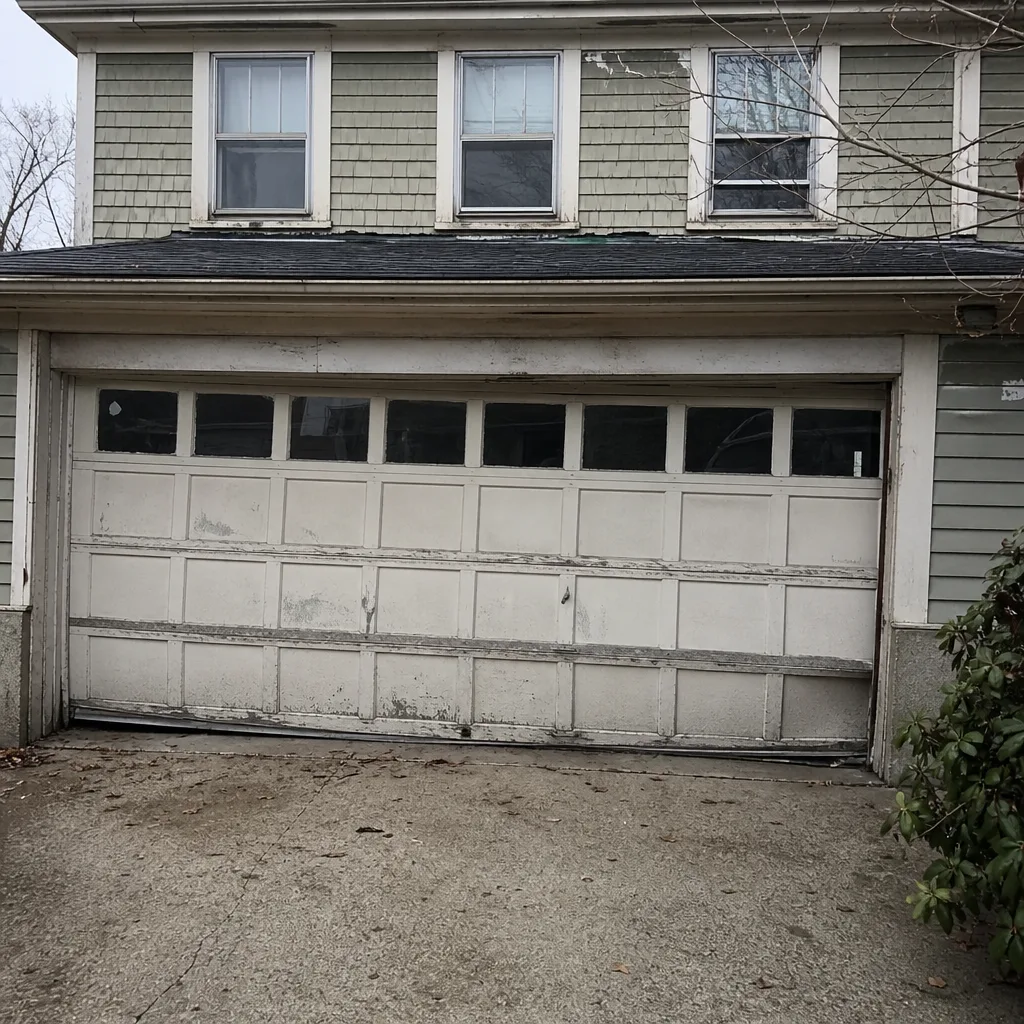
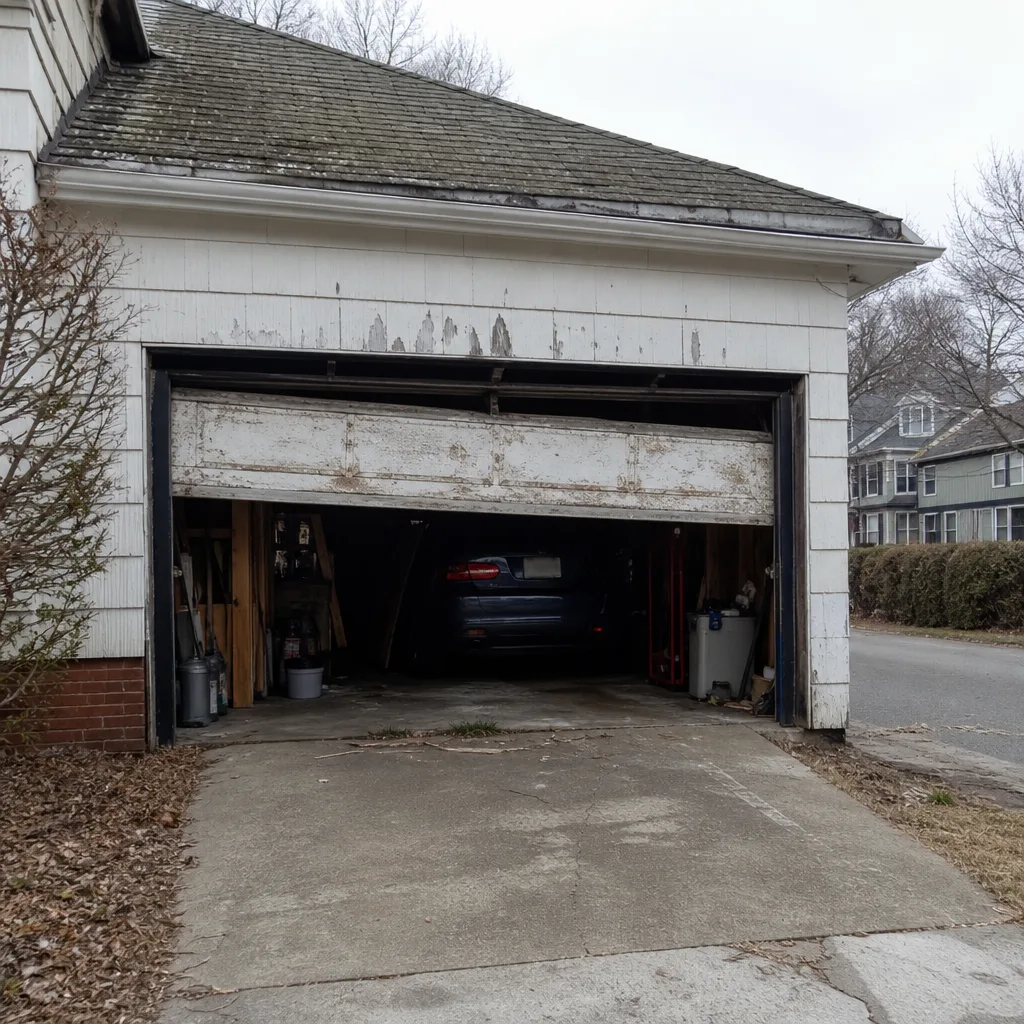 Before
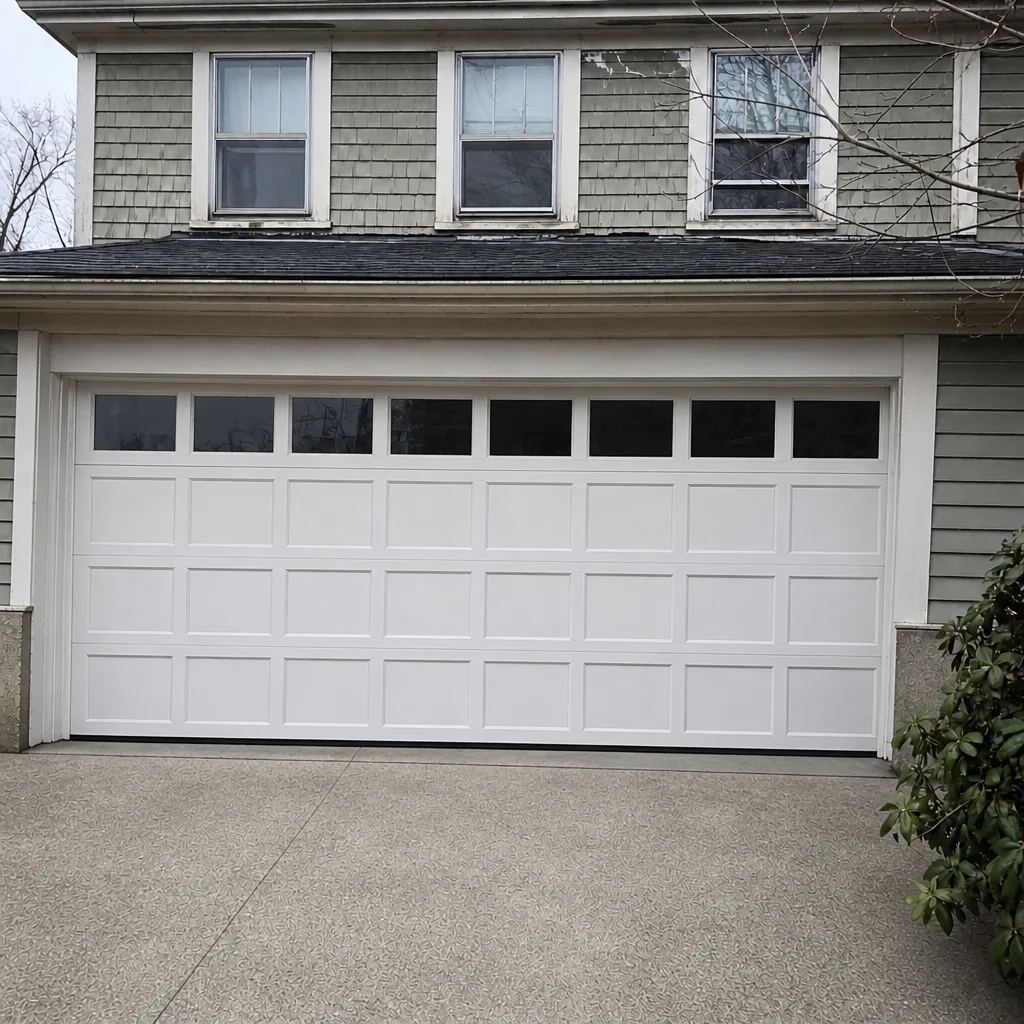
 After
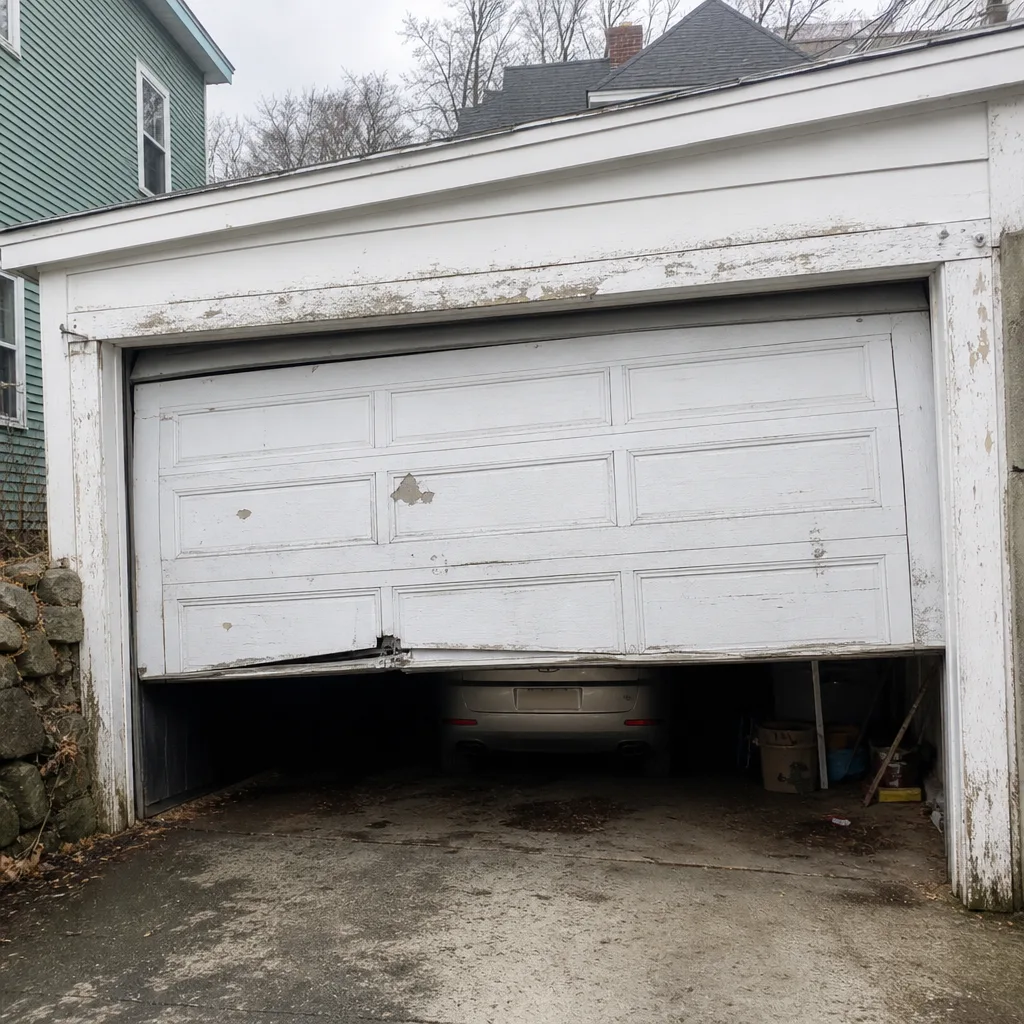
 Before
 After
 Before
 After
When to Call a Professional
Call a specialist when the door is no longer doing what it’s supposed to. The clearest signs: a snapped torsion spring and a door that won’t lift; a door that only opens halfway; a cable that’s frayed, kinked or slack; a door that comes off its track; an opener that reverses on its own or refuses to close; a bottom seal that’s torn or no longer touching the floor; or a balance test that shows the door dropping fast or rising on its own.
A seasonal tune-up in October and a spring inspection in March are also worth a professional visit even if nothing feels broken. Catching a problem before it becomes an emergency is always less expensive than fixing one after. Garage Door Repair Jamaica Plain offers free estimates in Jamaica Plain, and we’re ready to look at whatever the season has done to your door. Call us at (833) 468-3616.
Frequently Asked Questions
Late winter is the peak. February produces more spring failures in Jamaica Plain than any other month because springs have been cycling through the cold all season and reach their fatigue point at the coldest, most-stressed stretch. The fix is a spring replacement by a trained technician. Call (833) 468-3616 for a free estimate.
Twice a year is the right rhythm for this climate: a full check in October before the first freeze and another in March after the thaw. Add a quick visual once a month in winter and summer. Those two deep checks catch most of the damage this climate creates. Call (833) 468-3616 to book a seasonal inspection.
Yes, lubricating hinges and rollers is a safe homeowner job. Use a cold-rated silicone or lithium spray in winter, applied sparingly, and keep it off the tracks. Never lubricate the torsion spring or cables yourself if you’re unsure; those are under tension and belong to a professional. Call (833) 468-3616 for advice on what your door needs.
Cold thickens lubricant, stiffens rubber seals and tightens metal tolerances, so the opener has to work harder than it does in summer. A cold-weather lubrication pass and a check of the force settings often solve it. If the door still strains, the opener or a spring may need attention. Call (833) 468-3616 for a diagnosis.
Look at the bottom panel first, especially the corners near the seal, because that’s where road salt and winter water collect. Rust bubbles at the bottom edge are the earliest sign. Touch up paint chips promptly and rinse salt off the floor near the door. Call (833) 468-3616 if you see rust that’s spreading.
Yes. A fall tune-up catches worn seals, cracked rollers and a weakening spring before winter turns them into emergency repairs. Replacement of a roller or a seal is a much smaller job than replacing a snapped spring or a damaged panel. Call (833) 468-3616 for a free estimate on a seasonal tune-up.
The Bottom Line
Jamaica Plain’s garage doors live through a specific sequence every year: a fall that’s the real deadline, a winter that punishes forcing, a thaw that reveals the damage, and a summer that tests seals, paint and openers. A little attention in October and a quick inspection in March catch most of it. Leave springs and cables to a specialist, keep salt off the floor, and treat the balance test as your early warning system. Do that and February stops being the month your door breaks. Call (833) 468-3616 for a free estimate. We answer 24/7. Fast dispatch from 7am to 7pm, Sunday through Friday.
Written by the team at Garage Door Repair Jamaica Plain.