
Last updated November 21, 2026
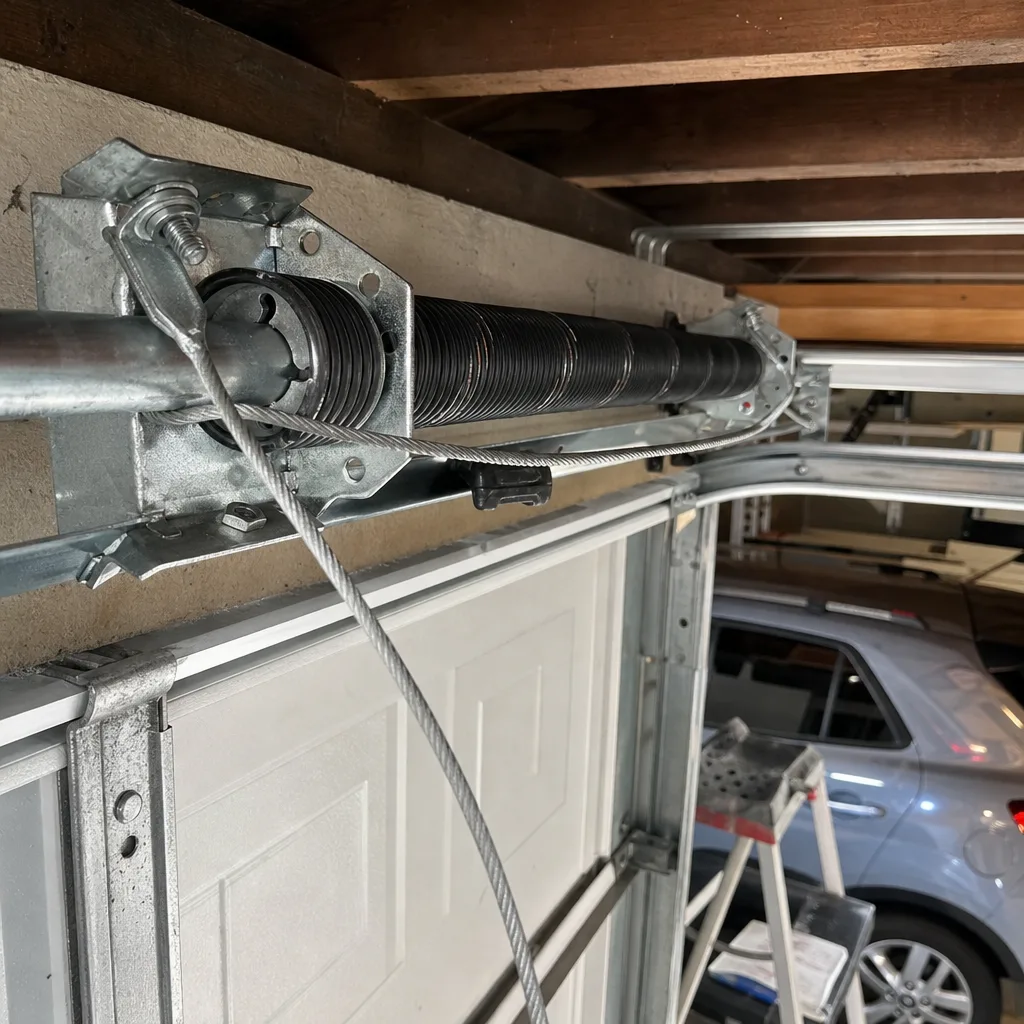
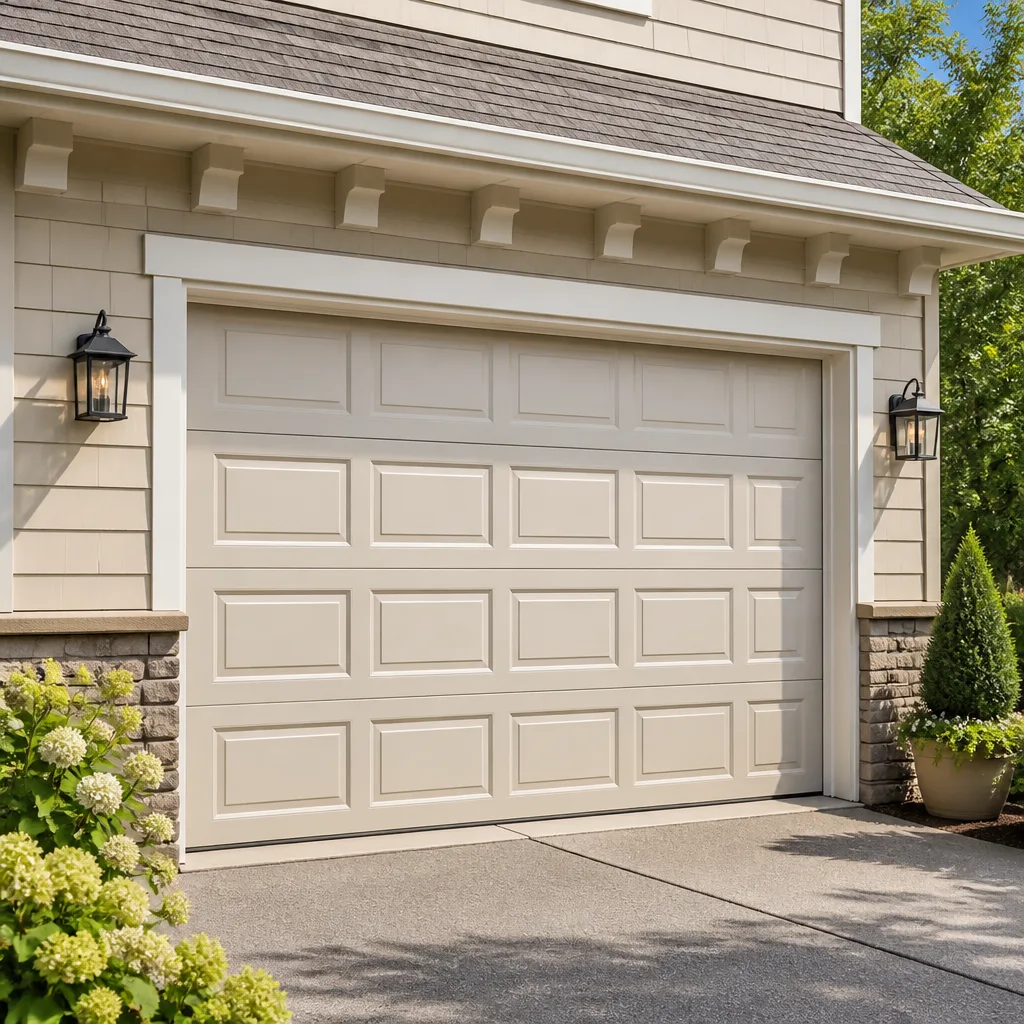 Raised-panel steel
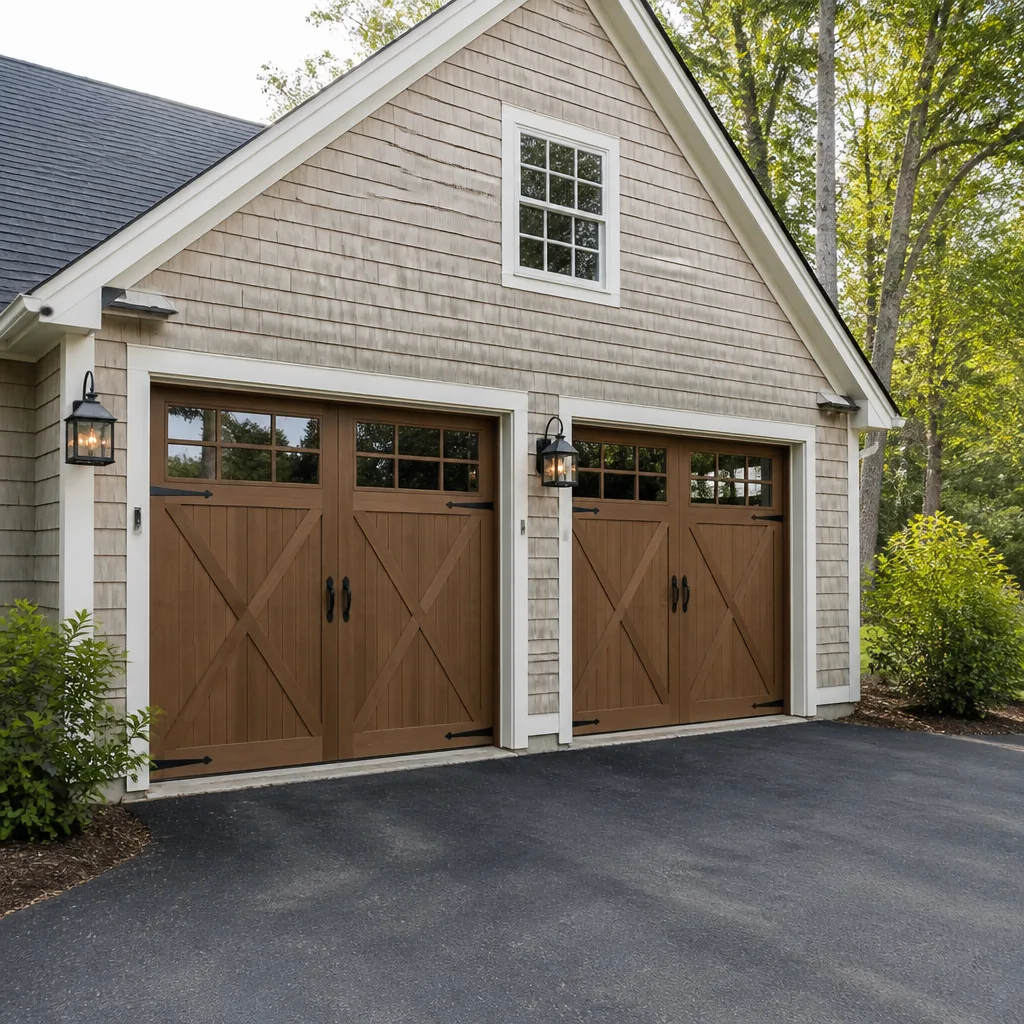 Carriage house
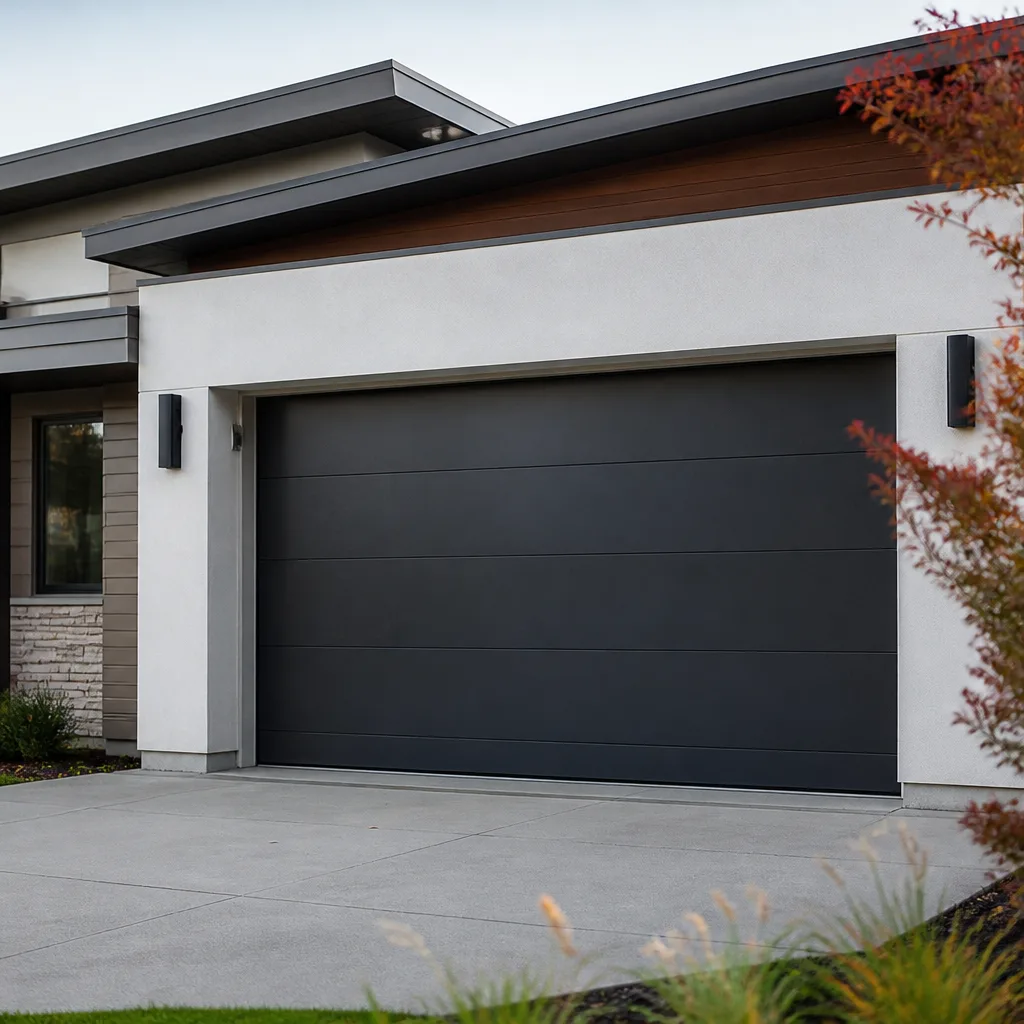 Modern flush
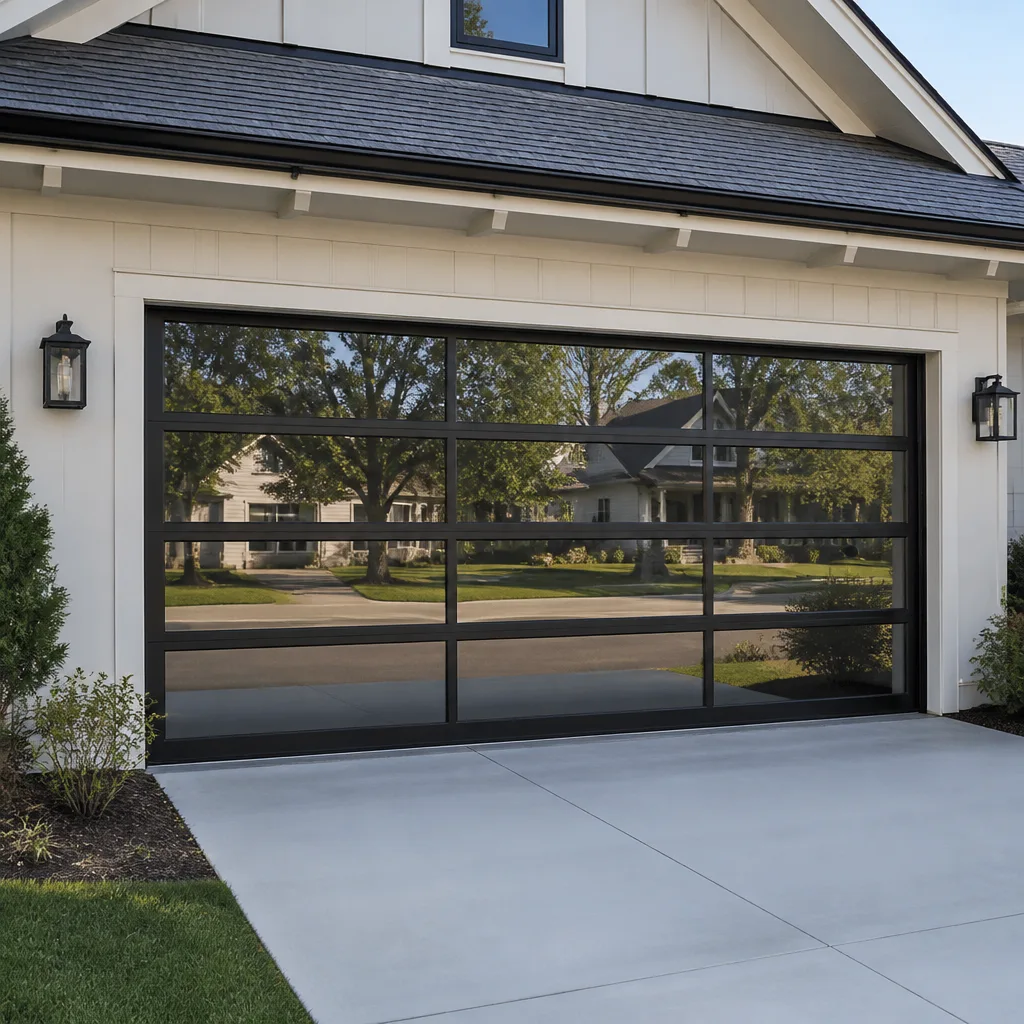 Full-view glass
 LiftMaster openers
 Chamberlain openers
Full 25-point door and opener safety check with every visit - springs, cables, rollers, tracks, and your LiftMaster or Chamberlain opener included
You get a price before we start. It does not change when the pro arrives.
Get your free estimateChoosing the Right Garage Door Brand: A Buyer’s Guide for Jamaica Plain
LiftMaster and Chamberlain are the same company. Clopay doors get sold at Home Depot and also specified by architects for high-end custom builds. The name on the box tells you far less than most homeowners assume. Here’s the problem with picking a brand by recognition alone: you’ll usually either pay extra for features your Jamaica Plain garage can’t use or miss the one specification that decides whether the door even fits. This guide separates door manufacturers from opener makers, matches each product line to the housing stock around Jamaica Plain, and explains insulation ratings, warranty fine print, and why local parts support beats national advertising.
Quick Answer
The best garage door brand in Jamaica Plain depends on two separate decisions, not one. For the door itself, Clopay, Amarr, and Wayne Dalton offer the widest fit for the area’s Victorian and early-1900s detached garages, especially in low-headroom configurations and steel carriage-house styles. For the opener, LiftMaster and Chamberlain share the same engineering and are the most serviceable smart-capable choice, while Genie holds up well on legacy systems. Match brand to headroom, width, and insulation first; the logo matters last.
Styles & brands we work with
- Raised-panel steel
- Carriage house
- Modern flush
- Full-view glass
- LiftMaster openers
- Chamberlain openers
Table of Contents
- Doors and Openers Are Two Different Decisions
- Matching Brand Lines to Jamaica Plain Home Types
- The Low-Headroom Problem in Jamaica Plain Garages
- Insulation Ratings: When R-Value Is Worth the Premium
- Parts Availability and the Local Service Network
- Warranty Comparison: What’s Actually Covered
- How to Choose a Brand in Six Steps
- Common Mistakes to Avoid
Doors and Openers Are Two Different Decisions
The single most expensive misunderstanding in this category is treating “garage door brand” as one choice. It’s two, and they live in completely different industries. Door manufacturers build the panels, tracks, springs, and hardware: Clopay, Amarr, Wayne Dalton, Raynor, and CHI among them. Opener manufacturers build the motor, drive system, and controls: LiftMaster, Chamberlain, Genie, and Craftsman. A Clopay door and a LiftMaster opener pair perfectly well, and there’s no reason they shouldn’t. Buying both from one brand name isn’t a thing in this trade.
We see this confusion constantly in Jamaica Plain. A homeowner researches “best garage door brand,” lands on an opener review, then asks us to quote a “LiftMaster door.” Or the reverse: they price out a Clopay door and assume the opener comes bundled. It doesn’t.
Here’s the practical split:
- Door choice is driven by fit and architecture: headroom, width, panel style, insulation, and how the door looks against a triple-decker or a shingled Victorian.
- Opener choice is driven by drive type, control compatibility, and serviceability: belt or chain, Wi-Fi or legacy, and whether the brand is well-supported locally.
- Service coverage is a third, separate question: some brands are far easier to get parts for in the Boston market than others.
When your existing door fails and you need garage door repair, the brand of the door and the opener determine how quickly the fix happens. Our technicians work on LiftMaster, Chamberlain, Genie, Clopay, Amarr, Wayne Dalton, Craftsman, and Raynor systems, so we’re rarely stuck waiting on a proprietary part.
Matching Brand Lines to Jamaica Plain Home Types
Jamaica Plain isn’t a subdivision of identical two-car garages. The housing stock ranges from Victorian-era homes with detached carriage houses to mid-century stock around Forest Hills, plus newer construction near Jackson Square. Each type pushes you toward a different product line, and the brand that fits one may be the wrong call two blocks away.
Here’s how the major lines shake out against local housing:
- Clopay: the widest range of steel and carriage-house styles. Their premium carriage-house lines are the go-to when a homeowner on a Victorian street wants something that reads as period-appropriate without paying for a true wood door. Clopay also shows up in architect specifications on higher-end custom work, which tells you the product engineering holds up beyond the big-box version most people see.
- Amarr: strong value in insulated steel and a good fit for mid-century and newer Jamaica Plain homes where a clean raised-panel door suits the architecture. Their entry-level lines are widely available and straightforward to service.
- Wayne Dalton: a solid option for narrower garage openings and for smaller detached garages where a traditional steel panel door with a modest insulation package makes sense. Their foam-core construction is worth pricing against Amarr.
- Raynor: a lower-profile brand in this market but a real one, with a reputation for sturdy hardware and decent insulation in the mid range. Worth including in a quote if a local supplier carries it.
If your Jamaica Plain home has a period facade, the door style often matters more than the brand. A basic raised-panel door from a good manufacturer will look better on a Victorian than a premium modern-panel door from a great one.
The Low-Headroom Problem in Jamaica Plain Garages
Headroom is the clearance from the top of the door opening to the ceiling, and it’s where a lot of local garage doors go wrong before the brand question even starts. Many detached garages around Jamaica Plain are older structures with low ceilings, shallow joists, or structural beams that drop the clearance further. A standard opener needs about two inches of headroom above the torsion bar; low-headroom setups don’t always provide it.
The fix is an opener designed for low clearance, and here’s where brand actually matters:
- Measure before you shop. Door height, ceiling height, and the distance from the door to the rear ceiling all matter. Write them down. Every opener recommendation flows from these three numbers.
- Match the opener to the clearance class. Low-headroom and variable-clearance configurations exist across LiftMaster, Chamberlain, and Genie, but not every product in every brand’s catalog supports them. A brand with a great standard opener may have no answer for your Jamaica Plain garage.
- Consider drive type, not just brand. Belt drive is quiet, chain drive is durable and cheaper, and screw drive has a following in some applications. Your ceiling clearance and mounting surface narrow the field quickly.
- Check control compatibility. If you want a Wi-Fi opener, modern LiftMaster and Chamberlain units (both built by the same parent) and current Genie models support connected apps. Older drives need a retrofit or a full garage door opener repair if the unit is failing.
- Ask about serviceability. An opener that’s locally supported gets fixed faster than one with no parts channel. This matters more than the logo on the housing.
The headroom check is also a safety check. A door that binds because the opener is fighting the ceiling puts stress on springs and cables, which are the most dangerous components on the whole assembly. Our technicians have up to 9 years of experience, and we check clearance as part of any installation or opener replacement in Jamaica Plain.
Insulation Ratings: When R-Value Is Worth the Premium
R-value measures how well a door resists heat flow, and it’s one of the most oversold specs in this industry. Whether you need a high-insulation door depends almost entirely on three things: whether the garage is attached or detached, whether it’s conditioned (heated or cooled), and how the space is actually used.
Here’s how it usually plays out in Jamaica Plain:
- Detached, unheated garage (the classic Jamaica Plain carriage-house situation): insulation is mostly about noise and durability, not heat retention. A modest R-value (R-6 to R-9) with a good steel skin gets you quiet operation and solid construction without the premium of a high-R product formula.
- Attached garage under or beside living space: insulation matters more. A higher R-value door slows heat loss into the garage and reduces cold drafts into the home. This is where paying for a higher-R product formula is defensible.
- Attached, conditioned, or used as a workshop or office: highest-R insulated doors are worth it. The door becomes part of the building envelope and the energy math changes.
- Any garage used for woodworking, a home gym, or a teenager’s practice space: insulation is a comfort and noise decision, and modest R-value is usually enough.
What gets oversold: homeowners paying for a high-R door on a detached, unheated garage in Jamaica Plain, then finding it made no difference to the temperature inside. What gets undersold: the inexpensive upgrade from a non-insulated steel door to a foam-core model on an attached garage, which noticeably reduces drafts and noise for a modest step-up in price. Ask your contractor to explain what the R-value actually buys you in your specific garage, not in the showroom.
Parts Availability and the Local Service Network
A brand with a huge national advertising budget means nothing when you’re waiting two weeks for a replacement sensor, roller, or panel. Local service network matters more than national prominence, and this is where a lot of homeowners get burned by online research that only compares brand recognition.
In the Boston market, the practical test is simple: can a local technician get the part you need without a specialty order? Brand networks that support independent dealers well tend to have better local parts channels. LiftMaster and Chamberlain, being under the same parent company, benefit from a deep distribution footprint. Genie and Craftsman parts are broadly available. Clopay, Amarr, and Wayne Dalton door hardware is well-stocked across the region. Raynor is thinner in some metros, which is worth knowing before you commit.
Parts availability is also a real service line, not just a footnote. Homeowners who want to handle their own swap, and property managers maintaining multiple doors, benefit from getting the correct component without markup guesswork. Our position is simple: we’d rather you get the right part and install it correctly the first time, whether or not we’re the ones doing the install.
The other piece of local-network shopping is verifying that whoever you hire actually works on your brand. A general handyman who dabbles in garage doors may not know the specific torque values, travel limits, or safety-reverse behavior of a particular opener. That’s the difference between a fix and a callback. When you need the door itself serviced by someone fluent in your brand, our Garage Door Repair Jamaica Plain team handles diagnostics, repair, and parts on all eight major brands.
Warranty Comparison: What’s Actually Covered
Garage door warranties look generous on the marketing page and much thinner in the fine print. The reason is that a door warranty is really four warranties stapled together, and each has its own terms.
Read every warranty on these four separate pieces:
- Panels. Usually the longest coverage, often limited to warping or delamination and excluding damage from impact, water, or installation error. Panel warranties can also be prorated, meaning your coverage drops in value as time passes. Read the pro-rata language carefully.
- Hardware. Tracks, rollers, hinges, and springs. Coverage is typically shorter than the panels and often limited to manufacturer defect, not wear. Springs in particular may have no warranty at all, or a very short one, depending on grade.
- Finish. Paint, powder coat, or wood staining. Finish coverage varies widely and often requires a specific maintenance regimen to stay valid. If you don’t follow the manufacturer’s care instructions, the finish warranty can void.
- Labor and installation. This is usually separate from the product warranty entirely and may not be covered at all. Ask explicitly who is responsible for labor if a hinge fails in year two.
The fine print that quietly kills warranties: installation by an unqualified party, painting a factory-finished door a different color, structural modifications to the panel, and missing maintenance records. Some brands also require the warranty to transfer through registration within a certain window. If any of that is unclear on the brochure, ask for the full warranty document before you sign.
Our recommendation is to compare warranties on the practical pieces: who covers the springs, who covers the finish, and whether labor is in or out. A long panel warranty with no hardware coverage is worth less than a shorter panel warranty with real hardware support. When you’re ready to talk through a Jamaica Plain garage door installation, we’ll walk you through what each brand actually backs before anything is ordered.
How to Choose a Brand in Six Steps
Choosing a brand doesn’t have to be agonizing. It’s a sequence, and the sequence matters more than the brand list. Here’s the order we recommend for Jamaica Plain homeowners:
- Measure your garage. Opening width and height, ceiling headroom, and rear clearance. These three numbers eliminate half the catalog immediately.
- Decide attached vs. detached, and how the garage is used. That decides your insulation target before you look at brands.
- Pick a door style that matches your home’s architecture. Victorian, mid-century, or new construction all point toward different panel styles and carriage-house lines.
- Get a written quote on at least two door lines from different manufacturers. Compare panels, insulation, hardware, and hardware warranty side by side, not just the total price.
- Choose your opener separately. Match the opener to your headroom and drive preference, and verify the brand is locally serviceable.
- Confirm parts support and labor responsibility before you sign. Ask directly: what’s the spring warranty, what’s the finish warranty, and who covers labor.
Following this order usually lands a Jamaica Plain homeowner on a brand that fits, without paying for features that don’t. It also saves the common experience of buying a door online, then discovering the opener won’t work with the low ceiling in the garage.
Common Mistakes to Avoid
- Picking a brand by logo recognition alone. A name you’ve seen on TV may not be the best fit for a low-headroom Jamaica Plain carriage-house garage. Match the product to the space, then check the brand.
- Buying a high-R door for a detached, unheated garage. Insulation is worth the premium in attached and conditioned spaces. In an unheated detached garage, you’re paying for a spec you can’t feel.
- Treating door and opener as one purchase. They’re separate decisions with separate brand lists. Bundle-shopping tends to cost more, because it narrows your options before you’ve measured the space.
- Skipping the headroom measurement. A standard opener on a low-clearance Jamaica Plain garage will bind and wear the springs prematurely. Measure before you buy.
- Not reading the warranty fine print. Panel warranties often exclude hardware. Finish warranties often require specific maintenance. Labor is frequently uncovered. Ask for the full document.
- Hiring a generalist instead of a garage door specialist. A handyman who hasn’t worked on your brand may not know the specific travel limits and safety-reverse settings, which can turn a small repair into a repeat visit.
- Ignoring local parts availability. A brand with strong national marketing but no local parts channel means longer downtime when something fails.
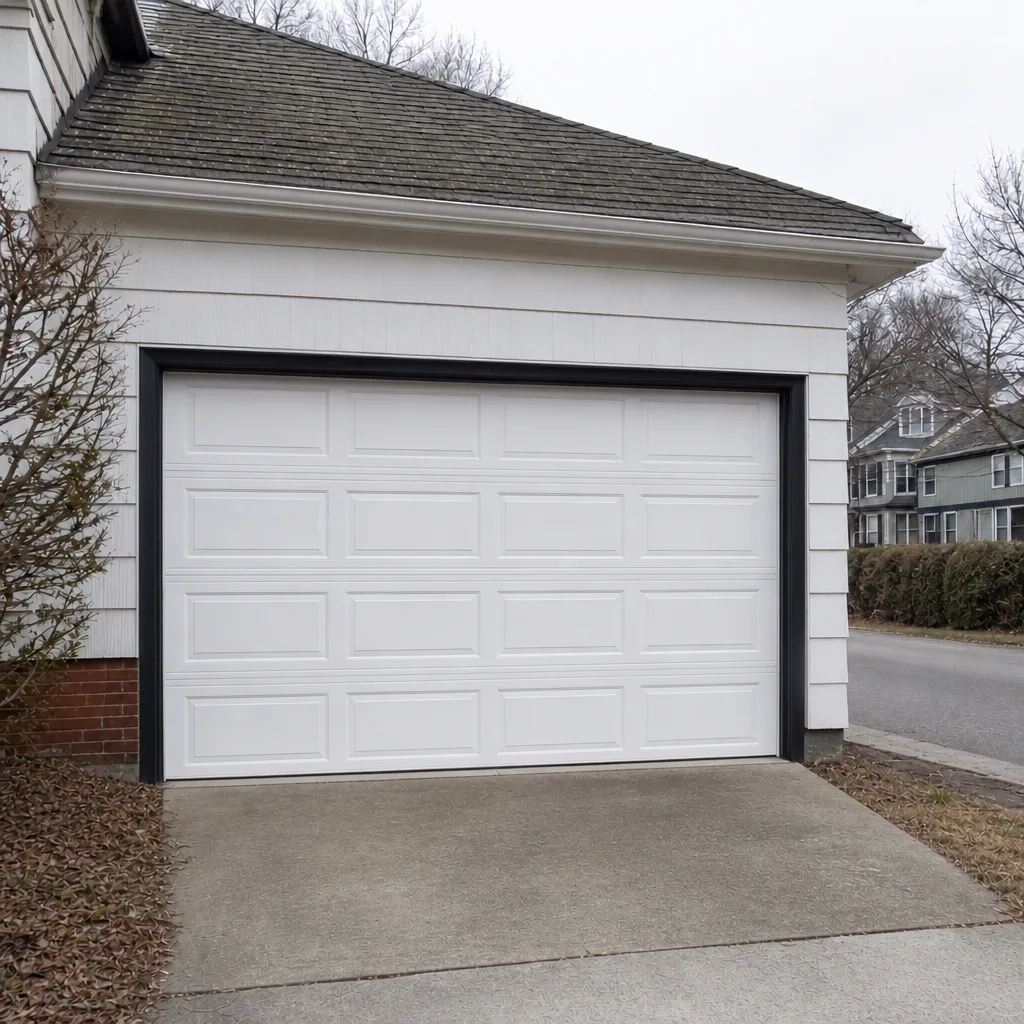
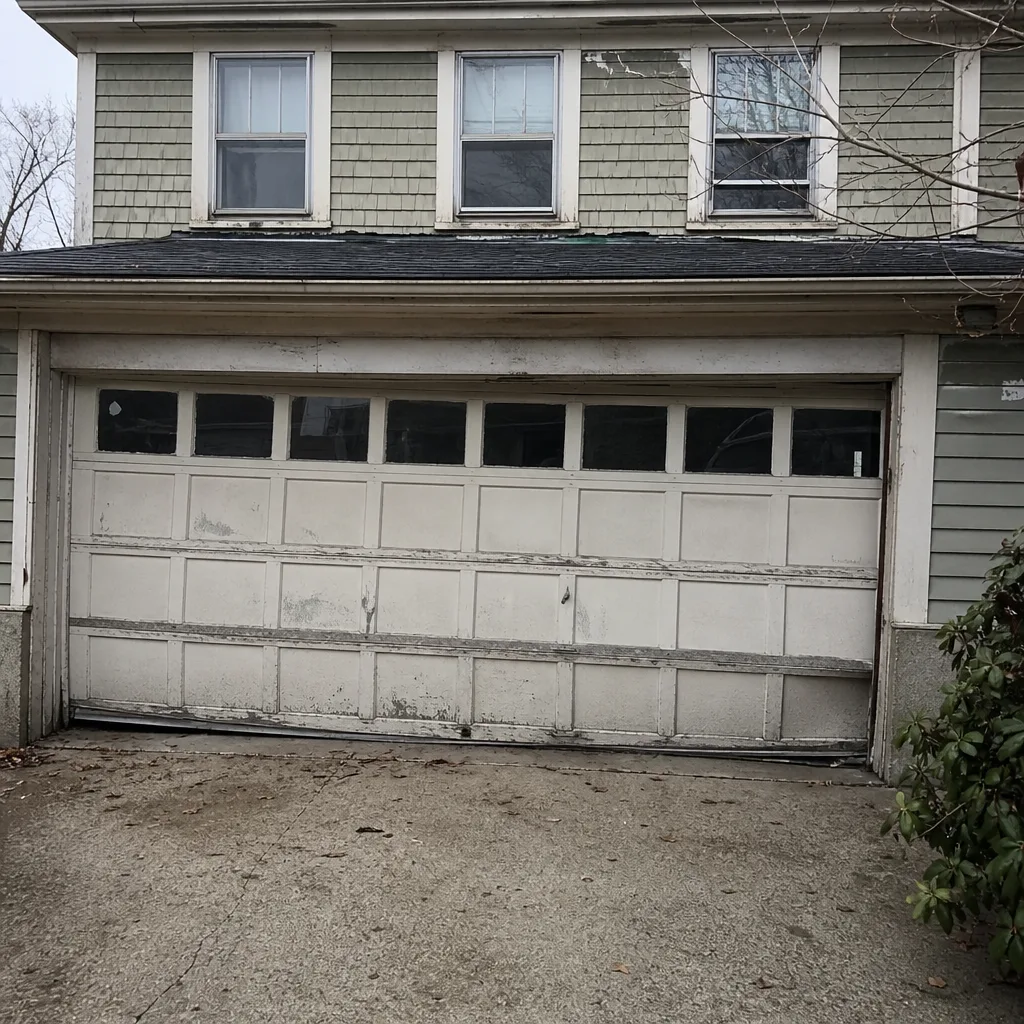
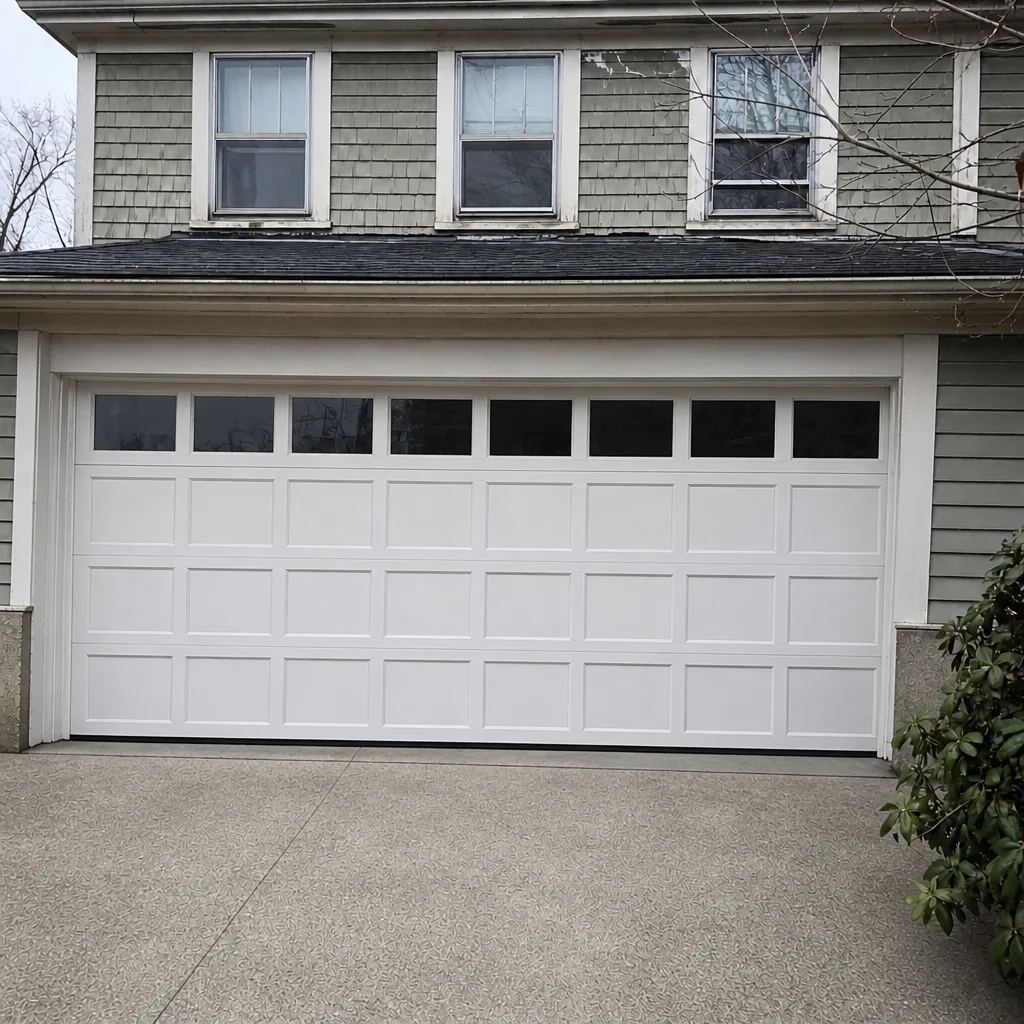
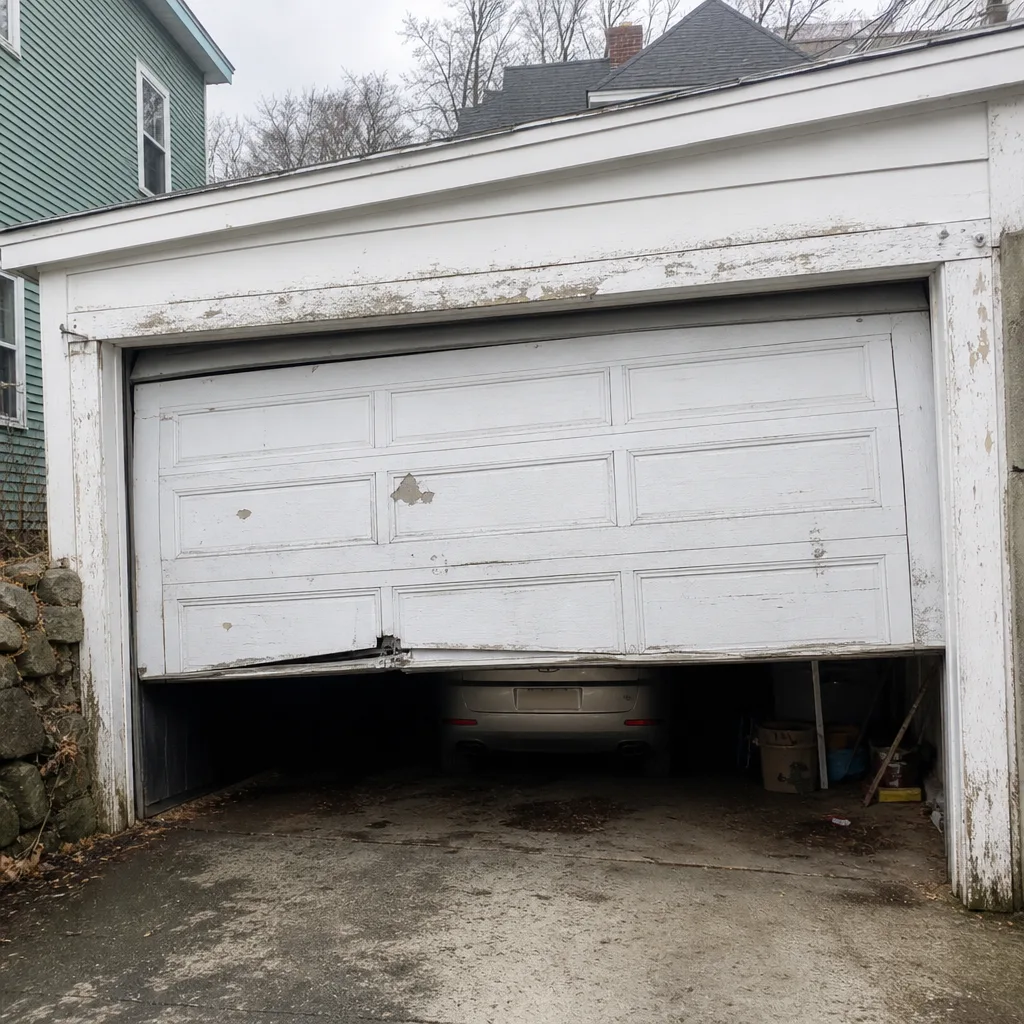
See the difference
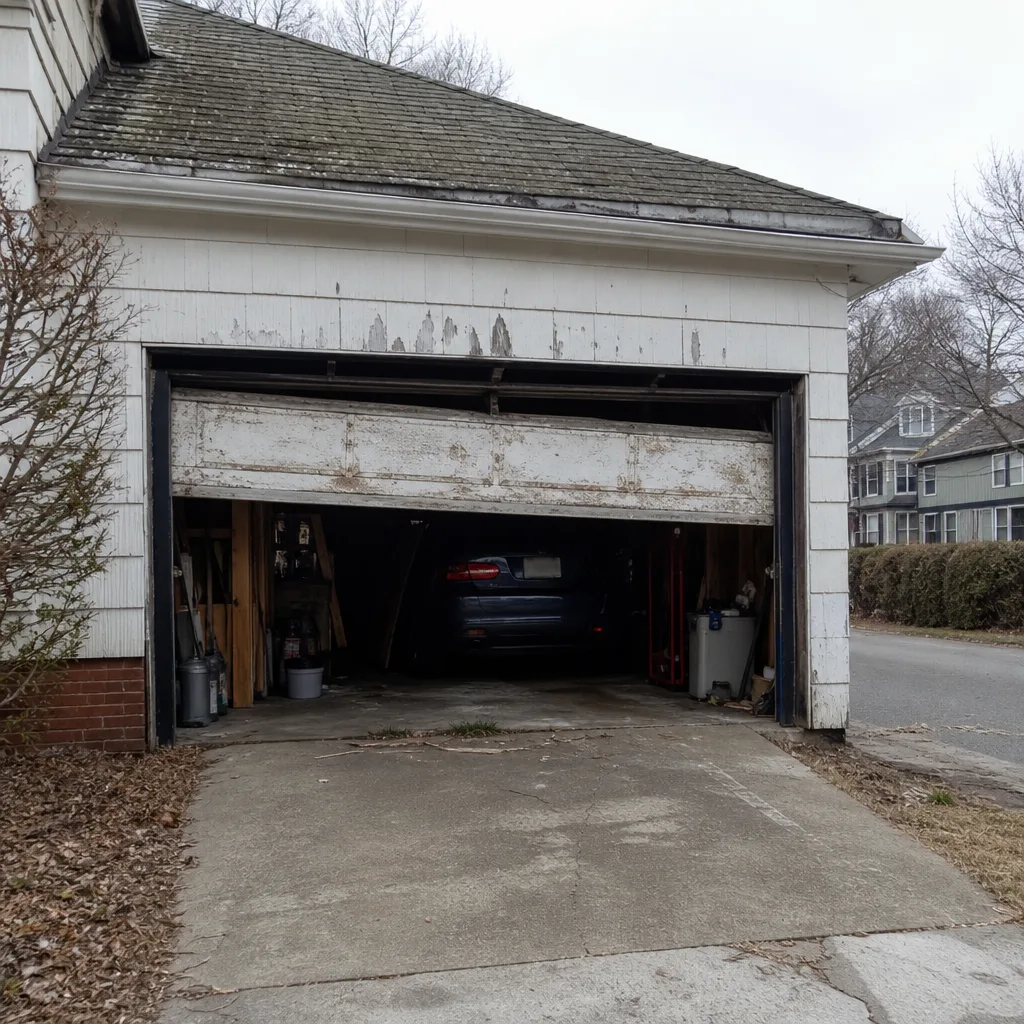 Before
 After
 Before
 After
 Before
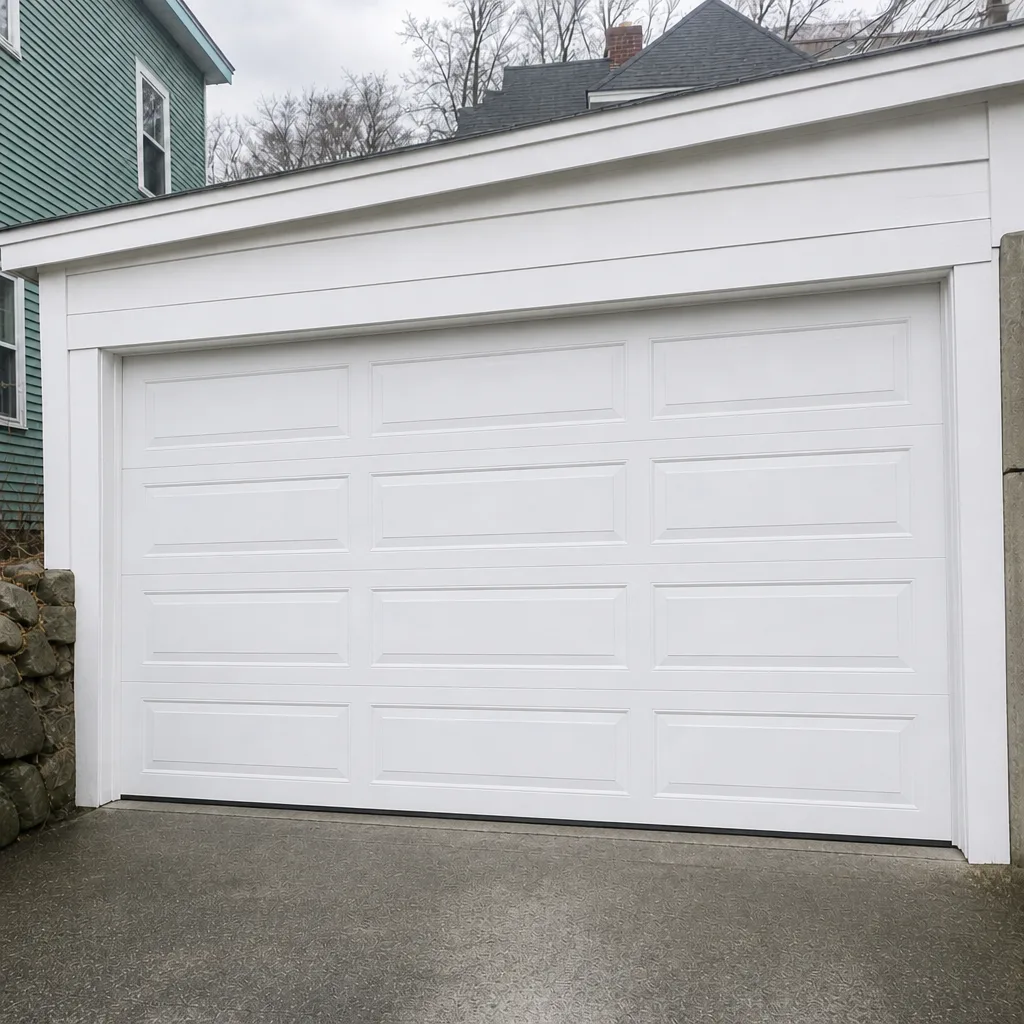 After
When to Call a Professional
Some jobs are safe to do yourself; others genuinely aren’t. Springs, cables, and high-tension hardware top the list of parts you should never touch without training. The stored energy in a garage door spring is significant, and a slip can cause serious injury. That’s a job for a trained professional, full stop. Panels, rollers, and safety sensors are often fine for a careful homeowner to inspect without disassembly.
Call a professional when you’re doing any of the following in Jamaica Plain:
- Measuring and quoting a new door, where a wrong measurement means an expensive return order.
- Choosing an opener for a low-headroom garage.
- Comparing warranties across brands before committing.
- Diagnosing a door that binds, reverses unexpectedly, or has a failing spring.
Garage Door Repair Jamaica Plain offers free estimates in Jamaica Plain. An estimate is free and the price is set per job by the written estimate, so you’ll know the cost before any work starts. We work on the brand you already own and on any brand you’re considering. Call (833) 468-3616. We answer 24/7. Fast dispatch from 7am to 7pm, Sunday through Friday.
Frequently Asked Questions
There’s no single best brand, because the right choice depends on your garage’s headroom, width, insulation needs, and how it looks against your home. For the door, Clopay, Amarr, and Wayne Dalton cover the widest range of Jamaica Plain housing types. For the opener, LiftMaster and Chamberlain are the most locally serviceable smart-capable choices. Call (833) 468-3616 for a free estimate specific to your garage.
Yes. LiftMaster and Chamberlain are both brands under the same parent company, which is why you’ll see similar engineering and shared part families between them. In practice, this means parts for one often cover the other, and service support is broadly similar in the Boston market. It also means buying “the best of both brands” isn’t a real distinction; pick the model that matches your opener needs.
It depends on whether the garage is attached and whether the space is conditioned or used. Attached garages benefit from insulation because it slows heat loss into the home. Detached, unheated garages around Jamaica Plain rarely benefit much from a high-R door, since there’s no conditioned space on the other side. Modest R-6 to R-9 still improves noise and durability. Call (833) 468-3616 for a free estimate and we’ll help you decide.
Start by measuring the clearance from the top of your door opening to the ceiling and rear clearance to the back of the garage. Match that measurement to a low-headroom or variable-clearance opener in the LiftMaster, Chamberlain, or Genie lineups. Then confirm local parts support before you commit. A properly matched opener avoids binding and spring strain, which is the real risk in a tight Jamaica Plain garage.
There’s no single brand that wins on warranty, because every warranty covers panels, hardware, finish, and labor differently. Compare the spring warranty, hardware coverage, finish terms, and whether labor is included. Read the pro-rata language and the fine print on installation requirements. Call (833) 468-3616 and we’ll walk through what each brand actually backs before you sign.
Yes. Our technicians have up to 9 years of experience and work on LiftMaster, Chamberlain, Genie, Clopay, Amarr, Wayne Dalton, Craftsman, and Raynor equipment. That means diagnosis, repair, parts sourcing, and installation can be handled without bouncing between vendors. Call (833) 468-3616 for a free estimate on your Jamaica Plain garage.
The Bottom Line
Choosing a garage door brand in Jamaica Plain is really two separate decisions, plus a third about local support. Match the door line to your headroom, width, insulation target, and the architecture of your home; Clopay, Amarr, and Wayne Dalton cover most of what the local housing stock needs. Match the opener to your clearance and drive preference; LiftMaster and Chamberlain are the most serviceable smart-capable choices, and Genie and Craftsman parts are widely available. Then confirm the brand is locally serviced and read the warranty fine print before you commit. When in doubt, get a written estimate first and let the brand follow the measurement.
Written by the team at Garage Door Repair Jamaica Plain.