
Last updated November 21, 2026
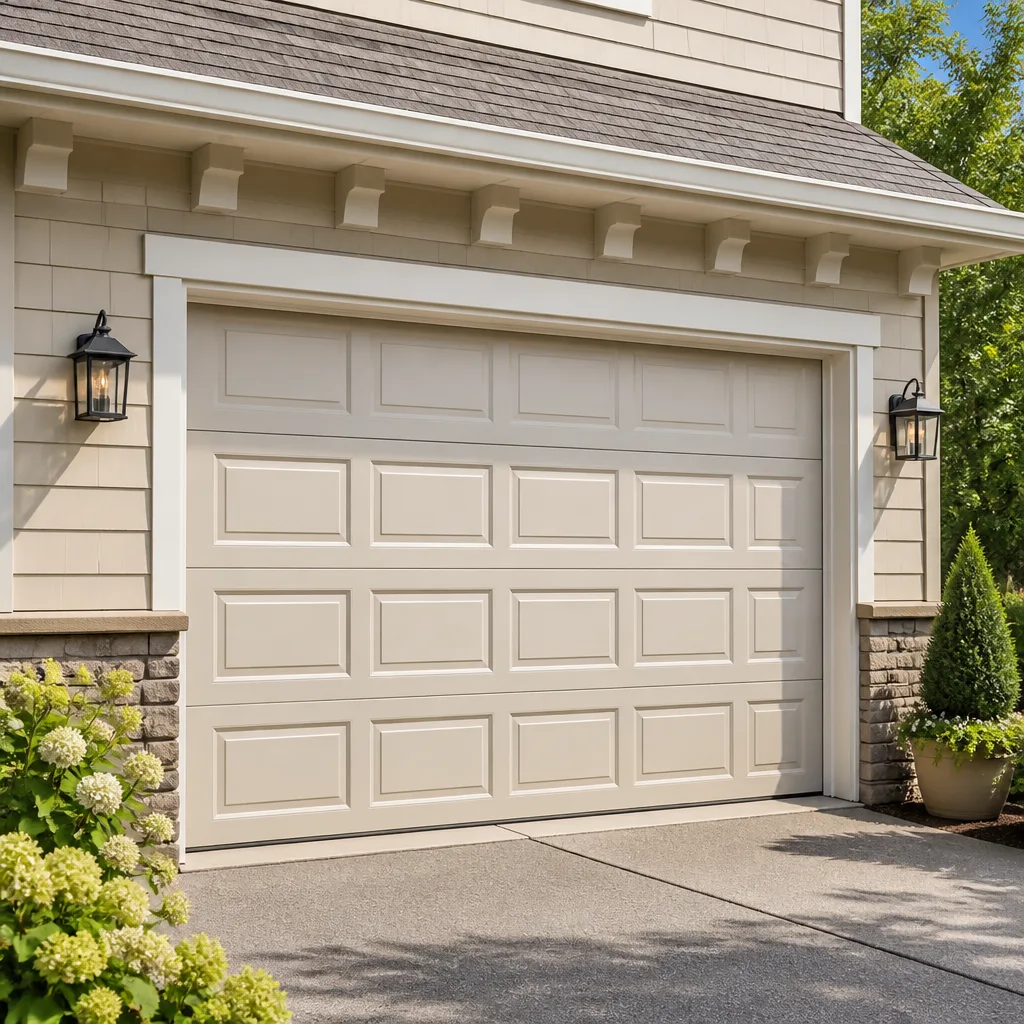 Raised-panel steel
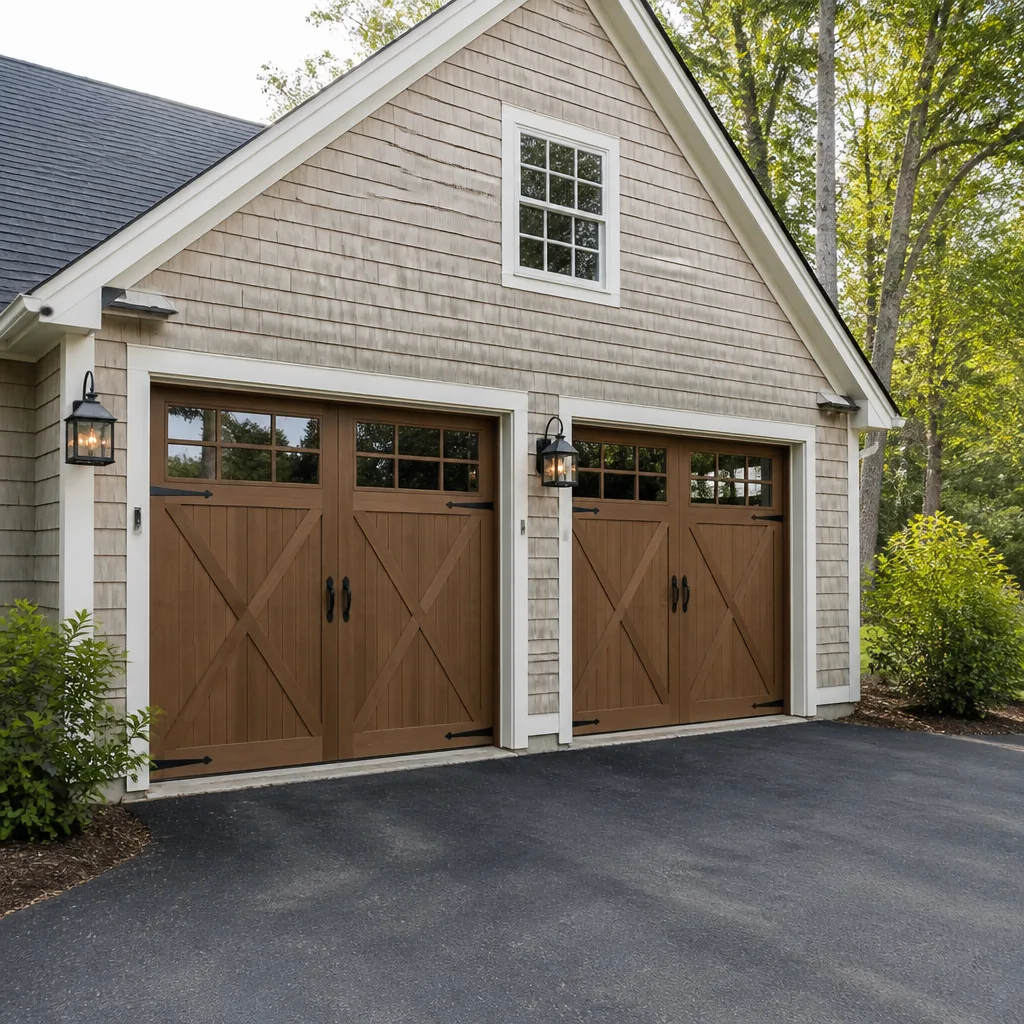 Carriage house
 Modern flush
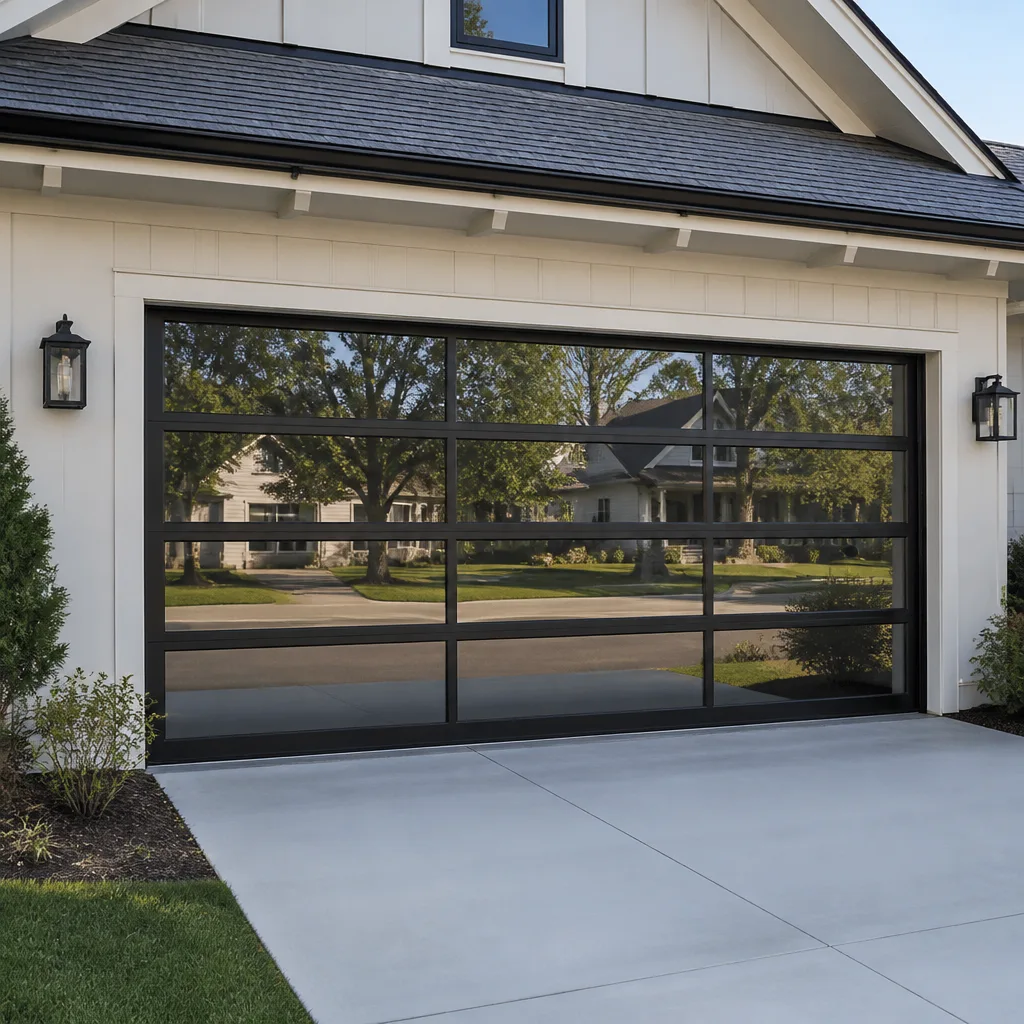 Full-view glass
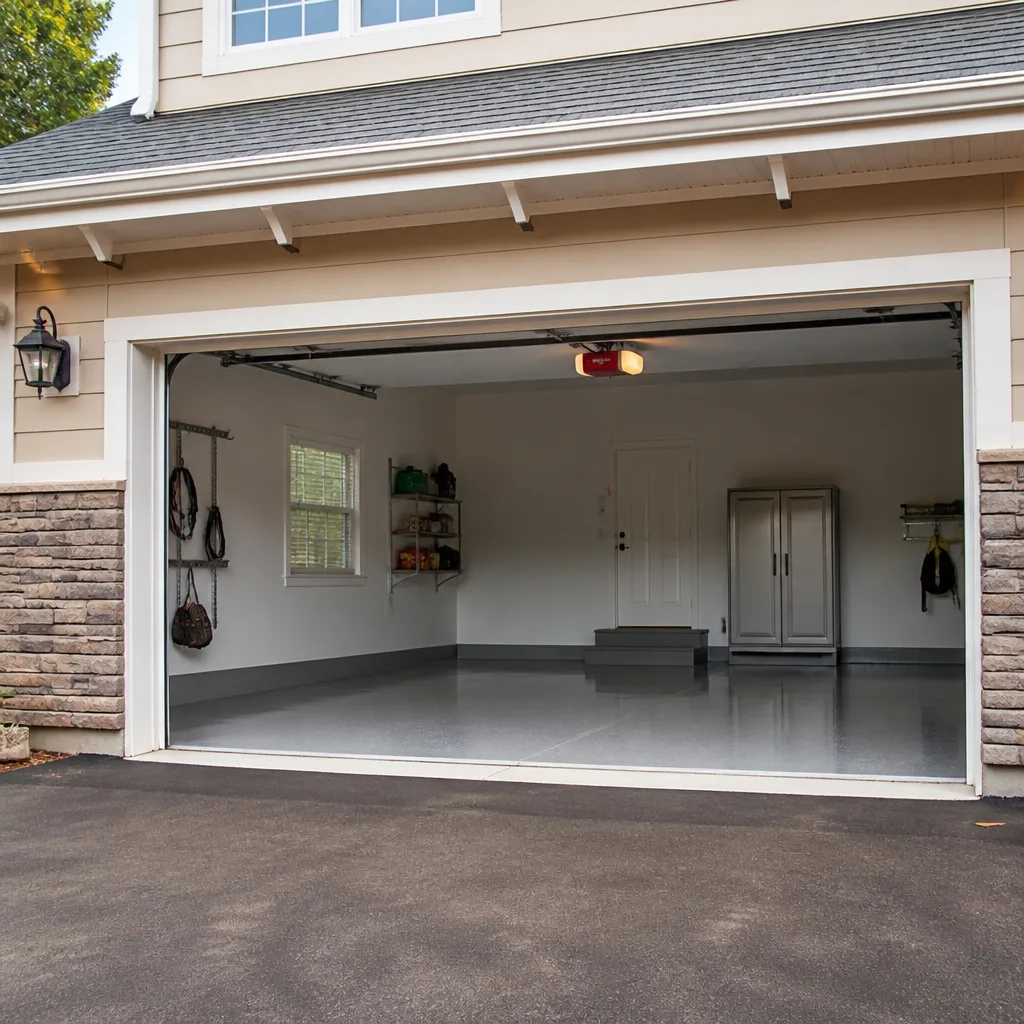 LiftMaster openers
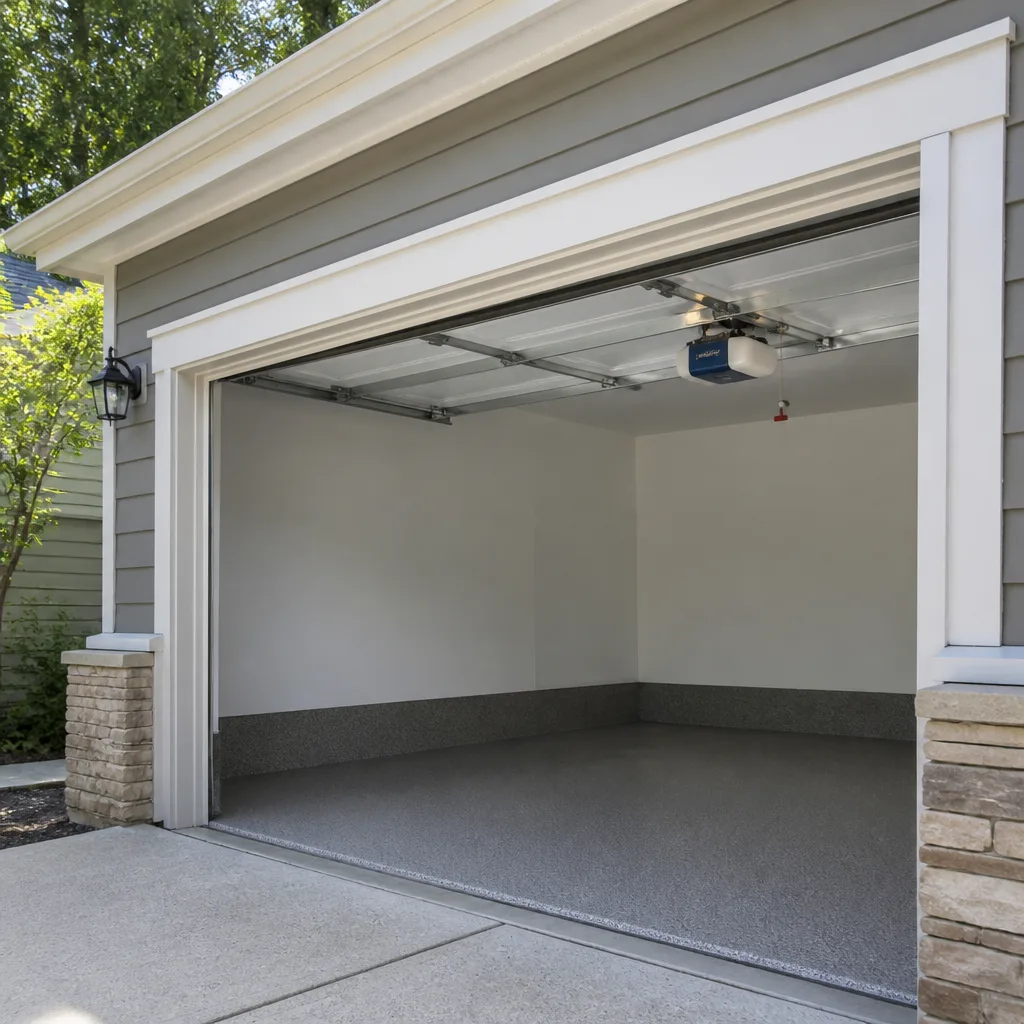 Chamberlain openers
Full 25-point door and opener safety check with every visit - springs, cables, rollers, tracks, and your LiftMaster or Chamberlain opener included
You get a price before we start. It does not change when the pro arrives.
Get your free estimateHow to Hire a Garage Door Contractor in Jamaica Plain: A Step-by-Step Guide
A contractor who does solid work in a Natick subdivision can be completely unprepared for a Jamaica Plain alleyway garage with a low headroom clearance and street parking only. That’s the part most hiring guides miss. They tell you to check a license and get three quotes, then stop. But in a dense, old, tightly built neighborhood like Jamaica Plain, the practical question isn’t only “can this person do the work” – it’s “can this person do the work here.” This guide walks through the vetting that actually separates a garage door specialist from a generalist, the documents to request before anyone touches your door, how to read a quote without getting fooled by a low bid, and the Jamaica Plain logistics worth confirming before you book.
Quick Answer
To hire a garage door contractor in Jamaica Plain, verify four things before booking: that they specialize in garage doors rather than general handyman work, that they can produce a Massachusetts contractor license and a liability insurance certificate, that they’ve confirmed your access and parking situation, and that their written estimate breaks out parts and labor with the final price stated up front. Ask specifically how they handle springs and openers, and request warranty terms in writing. A specialist who works on the brand you already own will usually spend less time diagnosing and more time fixing.
Styles & brands we work with
- Raised-panel steel
- Carriage house
- Modern flush
- Full-view glass
- LiftMaster openers
- Chamberlain openers
Table of Contents
- Specialist or Generalist? How to Tell the Difference
- Jamaica Plain Logistics to Confirm Before You Book
- The Three Documents to Request Before Work Starts
- How to Read a Garage Door Quote
- Why Brand Familiarity Matters
- Questions That Reveal a Real Specialist
- Spring Work and Safety: What to Expect
- Red Flags and What to Do
Specialist or Generalist? How to Tell the Difference
Most people who hire “a garage door guy” end up with a handyman who has changed a spring or two and watched a few videos. That’s not the same as a specialist. Garage doors are a narrow trade with its own failure patterns, its own hardware standards, and one genuinely dangerous component. A generalist can swap a remote battery and often handle a loose bracket. Beyond that, the gap widens fast.
Here’s what separates a real specialist from a generalist who does doors on the side:
- They know the brands. A specialist can tell you how a Genie opener behaves differently from a LiftMaster, or how a Clopay door’s panel construction compares with an Amarr. A generalist reads the label like you do.
- They carry the right parts or can source them quickly. Torsion springs are matched to door weight, height, and cycle life. A generalist often guesses or orders the wrong one.
- They handle the high-risk jobs. Torsion spring replacement is the trade’s most demanding repair. Specialists do it routinely; generalists often decline it or do it poorly.
- They understand openers as systems. A specialist can diagnose a logic board, a travel limit, a safety sensor mismatch, or a Wi-Fi module that won’t reconnect. This is the work behind good garage door opener repair.
- They quote the whole job. A specialist prices springs as a pair when the door has a pair, because that’s how the door is built.
The simplest test: ask what brand of opener you have. If they name your specific model range and can describe how its travel limits or safety reverse work, you’re talking to a specialist. If they say “I’ll take a look when I get there,” keep looking. In our experience, the technician who can name the differences is the one who finishes the job without a second visit.
Jamaica Plain Logistics to Confirm Before You Book
This is where a Jamaica Plain job genuinely differs from a suburban one. Jamaica Plain is dense, old, and built on narrow streets with a mix of detached garages behind the house and garages tucked into tight lots. A service van is a large vehicle, and the work needs clearance, room to open the door, and a place to stage tools. Confirm the practical details before anyone shows up, or you’ll lose a day.
Run through this list when you book:
- Access route. How does the technician reach your garage – a driveway, a shared alley, a rear lot, or a path between buildings? Describe it clearly so the crew knows what they’re walking into.
- Parking. Jamaica Plain street parking is tight. Ask whether the contractor needs a permit for a service vehicle, or whether you’ll need to reserve space in your driveway or notify a neighbor.
- Headroom clearance. Low-clearance garages are common here. Mention any beams, pipes, or obstructions above the door so the right parts get brought.
- Door size and construction. Most residential doors are 7 or 8 feet wide and 7 feet tall, but older garages can dip below that. A quick measurement saves a return trip.
- Power and lighting. Is there a working outlet and enough light in the garage? A technician can work around it, but knowing in advance avoids surprises.
- Building access. If the garage shares a structure with a home or an accessory unit, confirm how the technician reaches it and whether anyone needs to be home.
None of this is complicated, but it’s exactly the information a generalist contractor won’t ask for. A specialist will, because they’ve worked tight Jamaica Plain lots before and know that a van that can’t park is a job that doesn’t get done.
The Three Documents to Request Before Work Starts
This is the step people skip, and it’s the one that protects you. Before anyone picks up a tool, ask for three documents. A legitimate contractor produces them without hesitation, and any resistance is a signal in itself.
- Massachusetts contractor license. Ask for the license number or a copy of the credential. The state requires home improvement contracting to be licensed, and the number is verifiable through the state’s own lookup. If a contractor can’t produce one, that’s your answer.
- Liability insurance certificate. This should list the company, the policy effective dates, and the coverage. It protects you if something on your property gets damaged during the work. Ask for the certificate before the appointment, not after.
- Warranty terms in writing. Ask what’s covered on the parts, what’s covered on labor, and for how long – and get it in writing. Verbal warranty promises are worthless when something fails a month later.
Two additional items worth keeping on file: a written estimate (more on that below) and the contractor’s contact information and business name as it appears on their license. If the name on the estimate doesn’t match the name on the insurance certificate, ask why. That mismatch is a common sign of an unlicensed operator working under someone else’s credentials.
How to Read a Garage Door Quote
A quote is the most useful piece of information you’ll get from a contractor, and most people read it wrong. The instinct is to pick the lowest number. In garage door work, the lowest number is often the one most likely to grow once the door is apart. Here’s the difference between a padded estimate and a transparent one.
A transparent quote does the following:
- Lists parts and labor separately for each component (springs, cables, rollers, hinges, openers, sensors).
- Says which parts are being replaced and which are being inspected and left alone.
- Names the brand and size of any part being installed – for example, matching springs to your door’s actual weight.
- States the total price clearly and confirms it’s the price you’ll pay. That’s the value of a written estimate: the written quote sets the final price.
- Explains what happens if something unexpected is found once the door is open.
A padded or vague quote does the opposite: one lump-sum number, no line items, no brand names, and language like “starting at” or “plus additional parts.” And a suspiciously low bid on spring replacement deserves special attention. Springs are matched to door weight and cycle life; a bid that undercuts every other one is often quoting a cheaper, lighter-duty spring or skipping the paired replacement your door needs. If the door has two springs and the bid prices one, ask why. A specialist will explain that springs are replaced in pairs, and that a pair costs roughly double a single – not one range for both.
Why Brand Familiarity Matters
Garage door equipment is a small world with long-lived brands, and the differences between them matter more than most homeowners expect. A Genie opener and a LiftMaster don’t share logic boards, travel-limit settings, or safety-sensor behavior. Clopay and Amarr doors differ in panel construction, insulation, and how they mount to the track. A contractor who has worked across these systems diagnoses faster, avoids wrong parts, and fixes it once.
Ask direct questions to test this:
- “What opener brand do I have, and what’s the usual failure point on that model?”
- “Can you tell whether this door is a Wayne Dalton or a Clopay from the panel?”
- “What’s the difference in how a Genie and a LiftMaster handle the safety reverse?”
- “Do you stock or source the parts for this specific brand, or will you need to order?”
A specialist answers these without flinching. A generalist shifts the topic to labor. The contrast isn’t arrogance on the specialist’s part; it’s the difference between working on your system and working around it. We work on the brand you already own, which means you don’t have to replace a working opener just because the person on the phone doesn’t recognize it. Our technicians have up to 9 years of experience across LiftMaster, Chamberlain, Genie, Clopay, Amarr, Wayne Dalton, Craftsman, and Raynor equipment, and that range is what lets us diagnose the door you have rather than the door we wish you had.
Questions That Reveal a Real Specialist
You don’t need to be an expert to ask the right questions. A handful of well-chosen ones will tell you within ten minutes whether you’re dealing with a specialist or a generalist. Use these as a script when you call.
- “What do you think is wrong with my door?” A specialist asks follow-up questions about noise, binding, balance, or opener behavior before guessing. A generalist quotes a number.
- “Do you replace springs yourself, or do you bring someone in?” Spring work is the dividing line. Specialists do it in-house; generalists decline or subcontract.
- “Will you quote a price before I commit?” The estimate should be free and written, and the price quoted and agreed before any work starts.
- “What brands do you work on?” A real specialist names several without effort. If you hear “we work on all of them,” ask for two or three specifics.
- “How do you handle a door that needs more than a repair?” The answer tells you if they’ll try to upsell a full replacement or offer a genuine assessment. For a door that’s past saving, a straight answer is worth more than a cheap fix.
- “What’s your warranty on this job?” Specialists put it in writing.
The real measure isn’t one answer. It’s whether the person on the phone sounds like they’ve done this specific job many times. You’re hiring expertise, not just a pair of hands.
Spring Work and Safety: What to Expect
Torsion springs, the ones mounted above the door, store significant mechanical energy. When they fail or are replaced incorrectly, the result can be serious injury to whoever is working on the door. This is the single most dangerous component in residential garage door work, and it’s the strongest reason to hire a specialist rather than a generalist.
What to expect from a qualified contractor:
- They’ll inspect the cables, brackets, and drums along with the springs, because a failing spring often damages the parts around it.
- They’ll measure door weight and match spring size and cycle life to it, not swap in whatever’s on the shelf.
- They’ll replace springs in pairs when the door has a pair, because one worn spring with one new spring puts uneven load on the door.
- They’ll clear the area and never work directly under a tensioned spring without the door secured.
We won’t walk you through doing this yourself, and you should be skeptical of any contractor who offers to teach you over the phone. This is a job for trained hands. The right approach is to have a specialist inspect the full assembly and quote the repair in writing before anything is removed. For the wider range of door problems beyond springs, the broader garage door repair side of the job follows the same principle: diagnose first, quote second, fix once. If you need a brand-new door rather than a repair, the process is different again, which is why garage door installation starts with a free measure and a written price.
Red Flags and What to Do
Most bad hires announce themselves early. Here’s what to watch for:
- No license number or a mismatched name on paperwork. Ask for it in writing. If it doesn’t come, walk.
- A requirement to pay a large deposit up front. A fair deposit is reasonable for custom or ordered parts; a demand for the full amount before work begins is not.
- A low bid that skips the paired spring or names no parts. Ask what brand and size they’ll install. Vague answers are a warning.
- Refusal to quote in writing. The written estimate is your protection. No estimate, no work.
- A claim that you need a whole new door when you need a spring. Get a second opinion before agreeing to a replacement.
- Pushback on access questions. A specialist plans for the Jamaica Plain alley and parking situation; a generalist waves it off and finds out the hard way.
When you spot two or more of these together, stop the conversation. There’s no shortage of qualified contractors, and the right one won’t make you chase basic documentation.
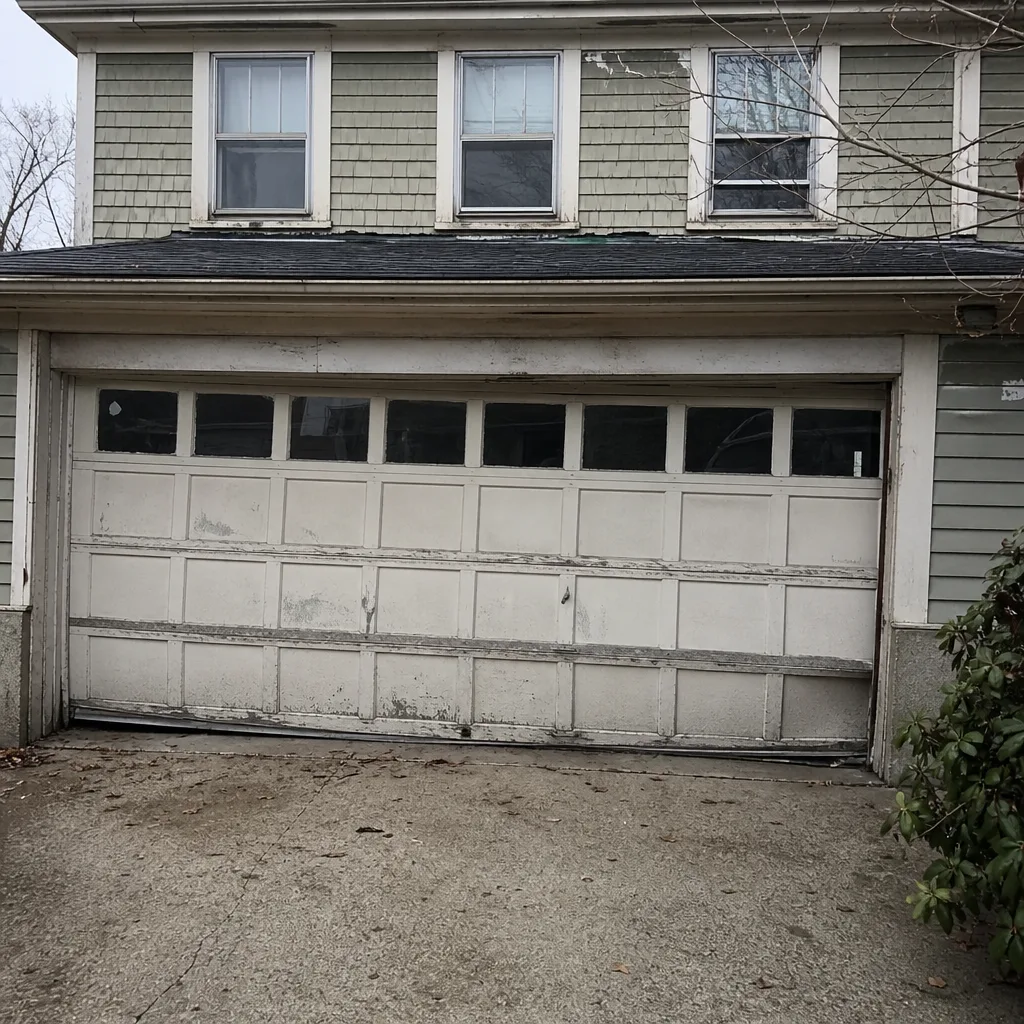
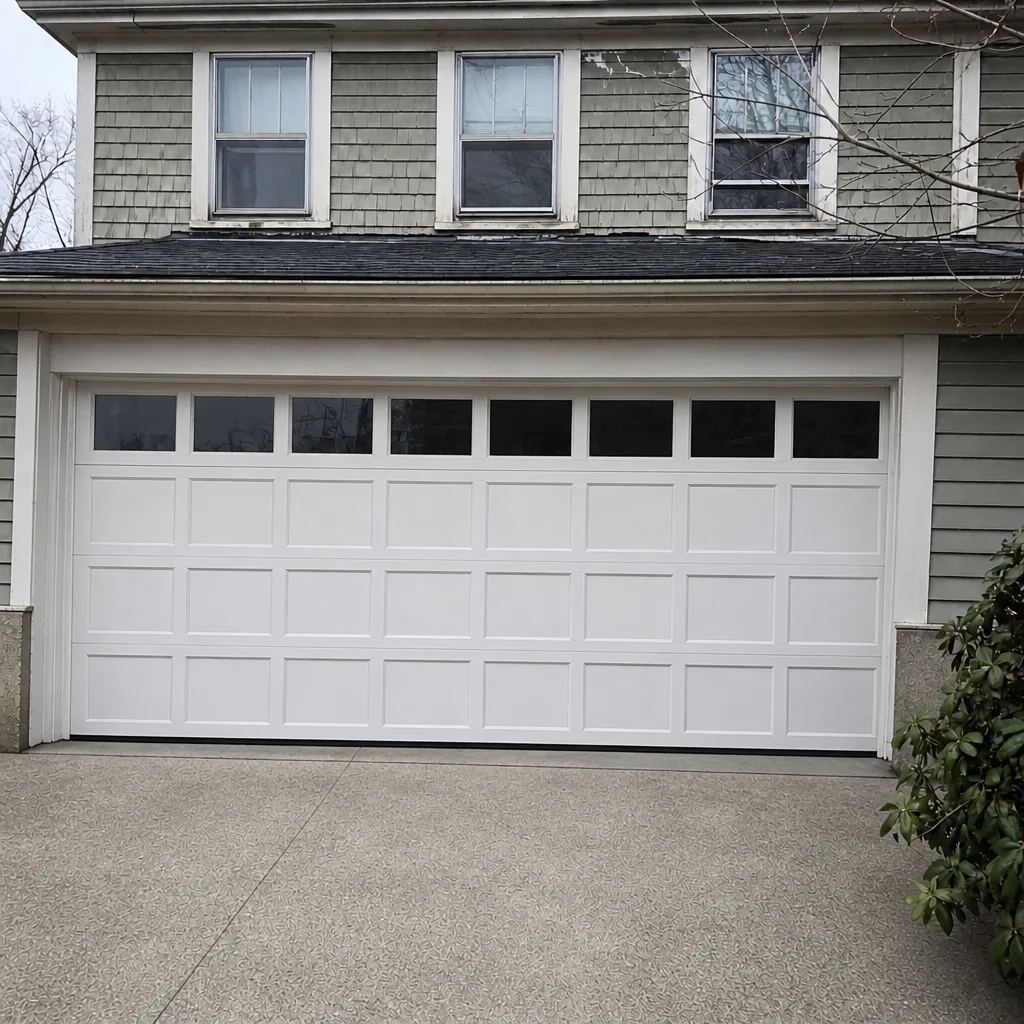
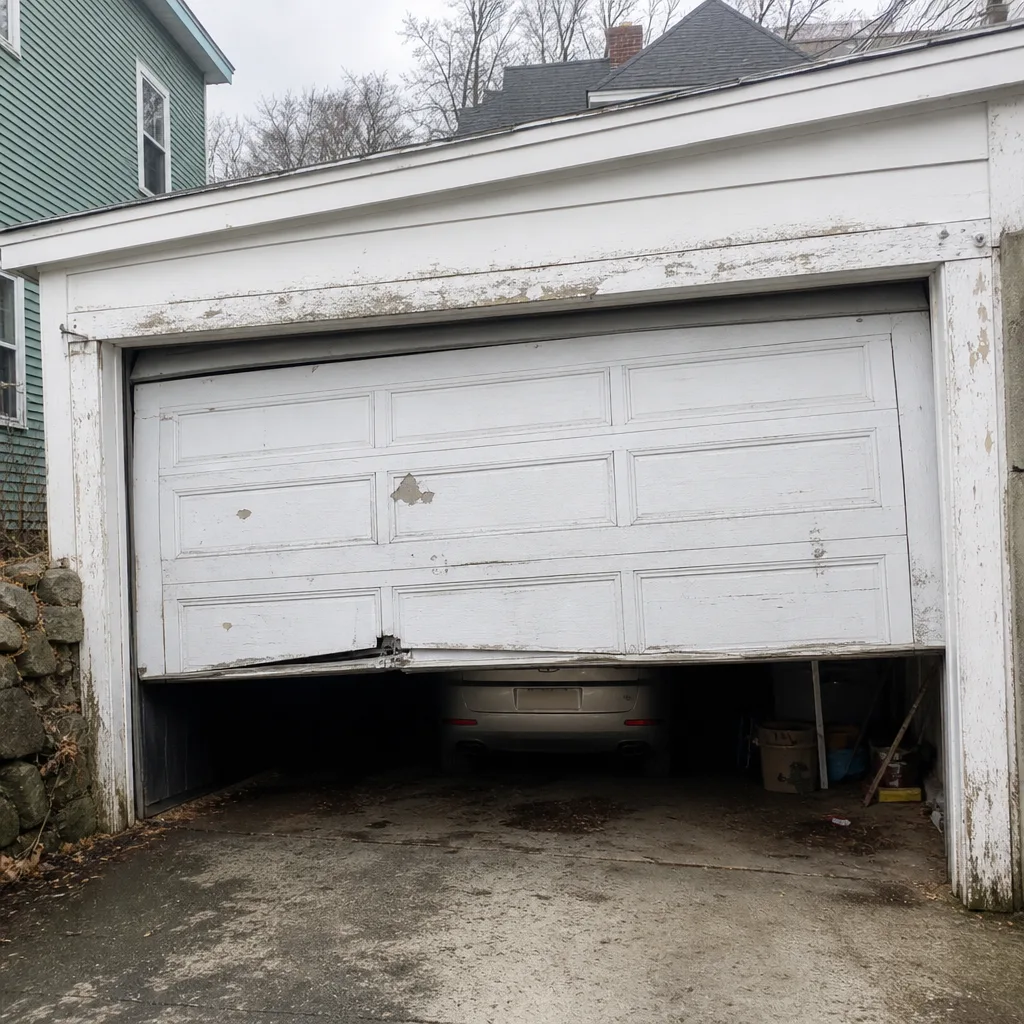
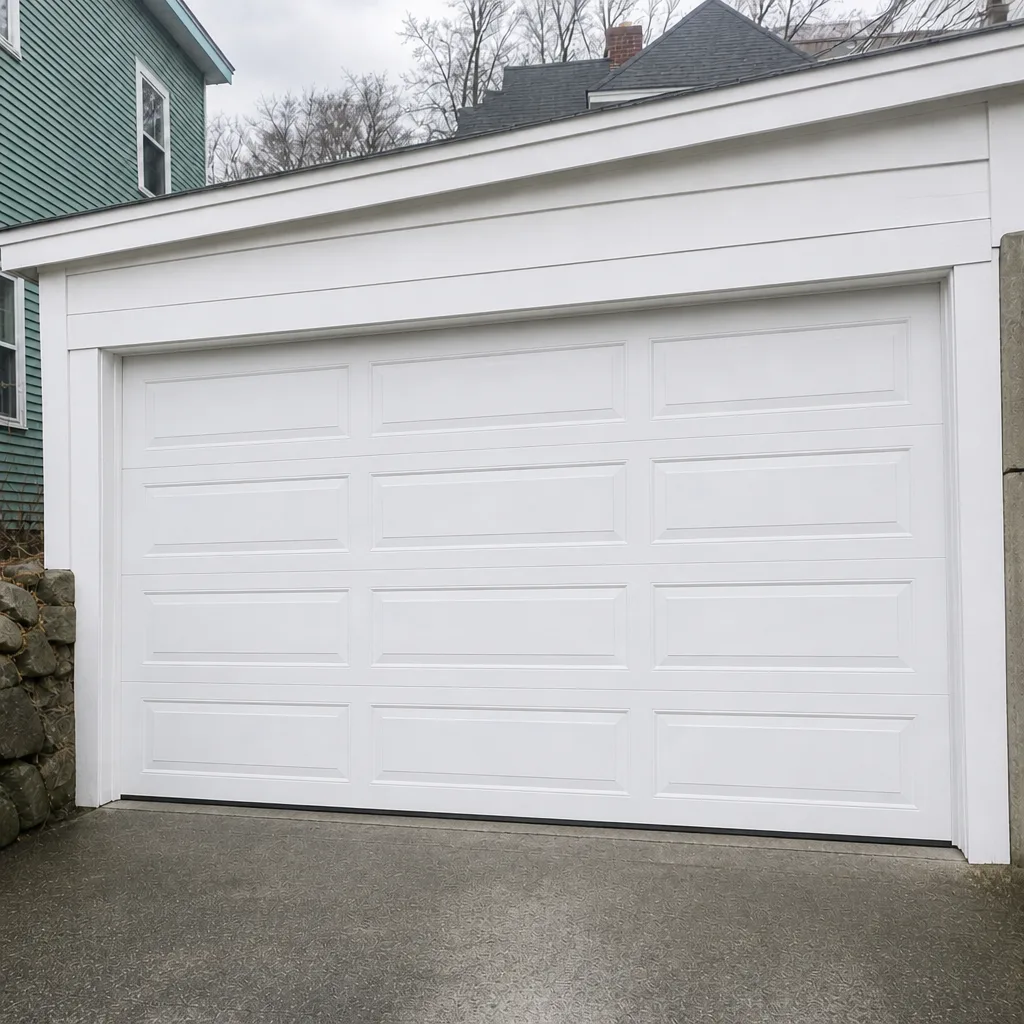
See the difference
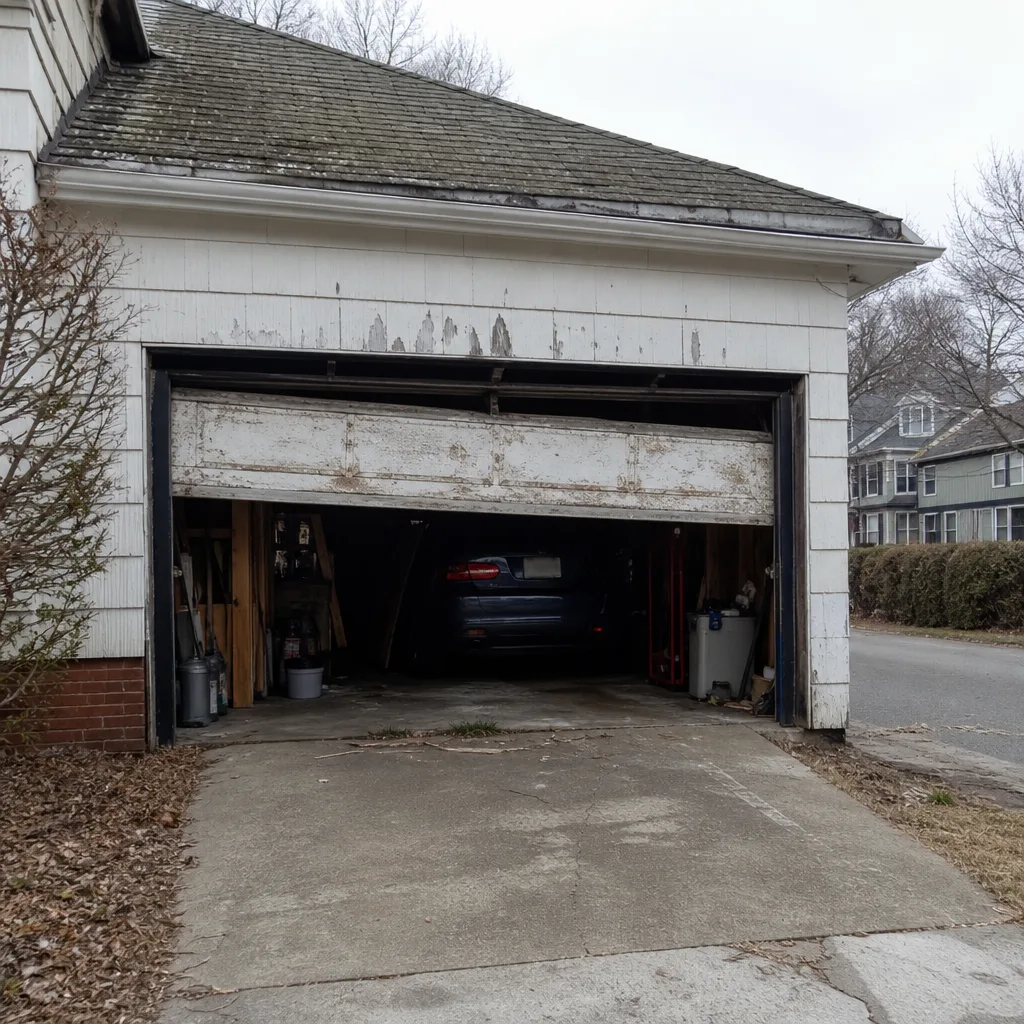 Before
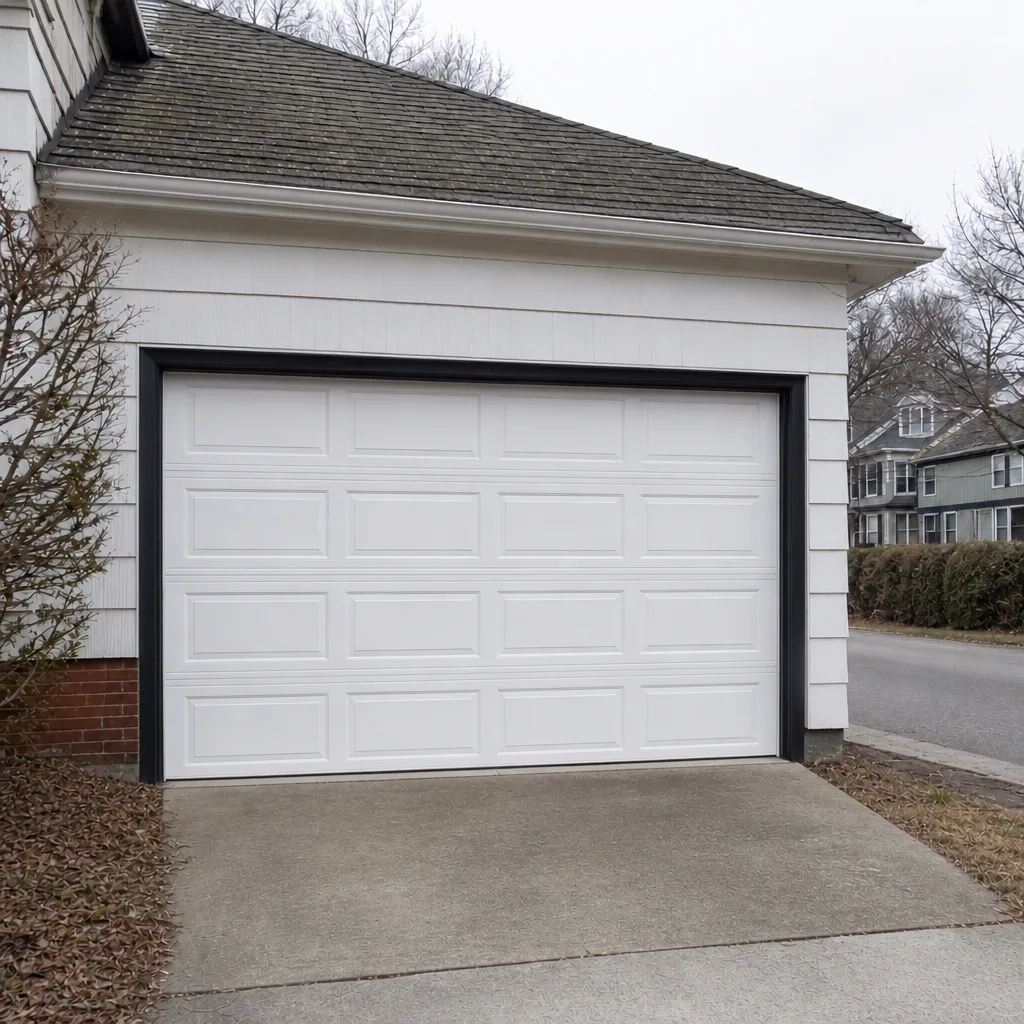 After
 Before
 After
 Before
 After
Frequently Asked Questions
Ask about the brand of your opener and door. A specialist can name the differences between systems – for example, how a Genie opener’s travel limits work compared with a LiftMaster’s – and can tell you whether your door is a Clopay, an Amarr, or a Wayne Dalton from the panel. A generalist deflects to price. Specialists also handle torsion spring replacement themselves; generalists usually decline or bring someone in. Call (833) 468-3616 if you’d like to talk through your door with a specialist.
It depends on the scope of work and your property’s zoning. Repair work typically doesn’t require a permit, but a full door replacement sometimes does. Ask the City of Boston’s building department directly before booking, and ask your contractor whether their quote includes any permitting they’d handle. A legitimate contractor will tell you what’s required for your address rather than guessing.
It shouldn’t. The written estimate is the price you pay, provided the scope of work hasn’t changed. If something unexpected turns up once the door is opened – a damaged cable, a bent track – a good contractor stops, explains what they found, and gives you a revised quote before proceeding. Never accept a “we’ll sort it out later” answer. The estimate is free, so ask for it before any work begins.
The local pro you hire should be licensed for home improvement work as Massachusetts requires and carry liability insurance. Ask for the license number and the insurance certificate before the appointment. Those documents are what protect you if something on your property is damaged during the work. Call (833) 468-3616 to discuss what a licensed local pro brings to a Jamaica Plain job.
Same-day service depends on whether the right spring is available and a technician is free, so it’s always worth asking when you call. For a snapped spring, the door is unsafe to operate, so treat it as urgent. A specialist will tell you honestly what’s possible. We answer 24/7. Fast dispatch from 7am to 7pm, Sunday through Friday. Call (833) 468-3616 and we’ll confirm what we can do.
Compare line items, not totals. A transparent quote lists parts and labor separately, names the brands being installed, and states the final price clearly. A padded quote is a lump sum with no details. Watch for a low bid on spring replacement that prices one spring instead of a pair, and for any quote that doesn’t put warranty terms in writing. Ask about access and parking in each quote too, since a Jamaica Plain alley garage is a different job from a suburban driveway.
When to Call a Professional
Some garage door problems are safe to watch and some aren’t. Call a professional when the door is off its track, when a torsion spring has snapped or the door feels unusually heavy to lift, when the opener runs but the door doesn’t move, when the door reverses unexpectedly or won’t close fully, or when you hear grinding or popping from the springs above. Electrical problems with the opener – dead logic board, sensors that won’t align, remote pairing that won’t stick – are also worth a specialist. Don’t run a door with a broken spring; the opener will strain and the door can fall. Garage Door Repair Jamaica Plain offers free estimates in Jamaica Plain – call (833) 468-3616. We answer 24/7. Fast dispatch from 7am to 7pm, Sunday through Friday.
The Bottom Line
Hiring a garage door contractor in Jamaica Plain comes down to four things: a specialist rather than a generalist, the documents to back that up, a quote that breaks out the actual parts and labor, and a plan for how the technician reaches your alley or garage. Ask about your own brand, request the license and insurance certificate before booking, and insist on a written estimate that states the final price. A low bid on spring work is a warning, not a deal. Do this groundwork and the job gets fixed once, correctly, without return trips. And if you’d rather start with a specialist, our Garage Door Repair Jamaica Plain team is a call away.
Written by the team at Garage Door Repair Jamaica Plain.