
Last updated November 21, 2026
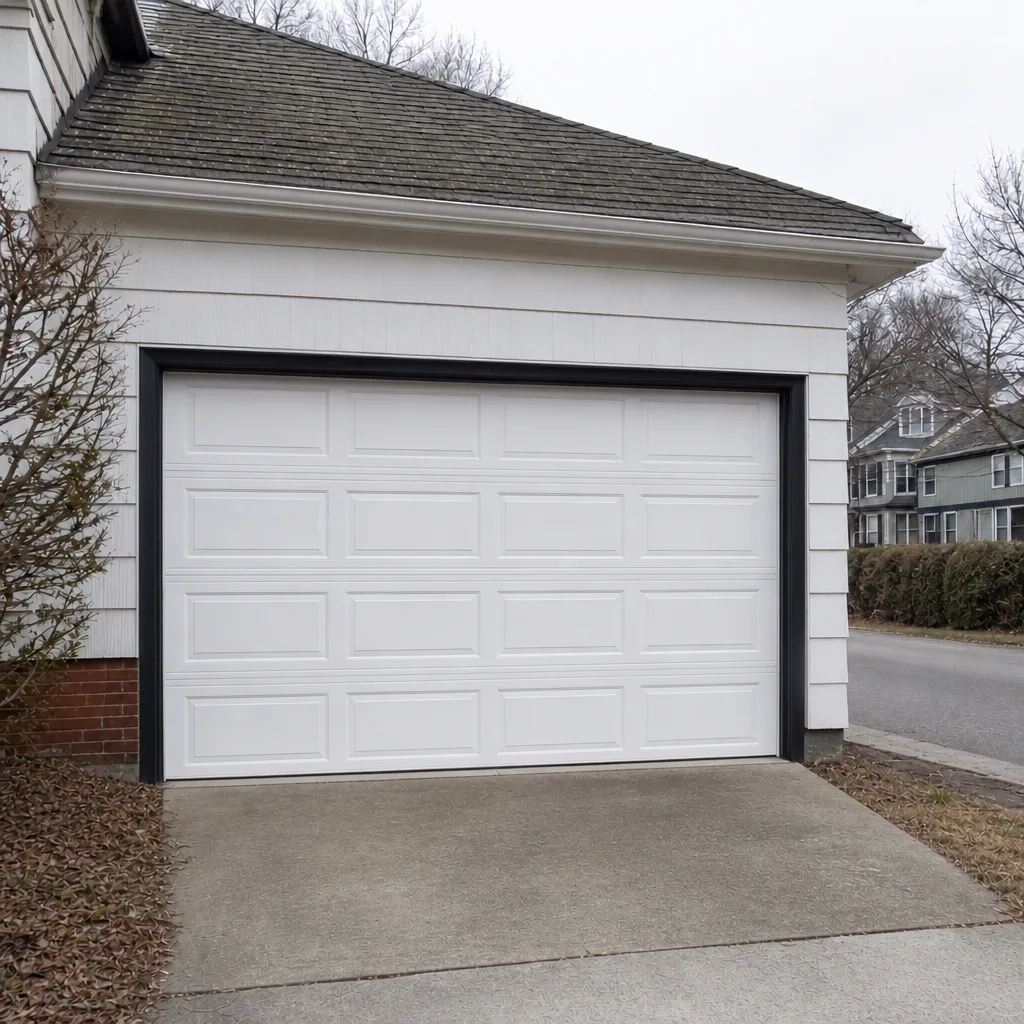
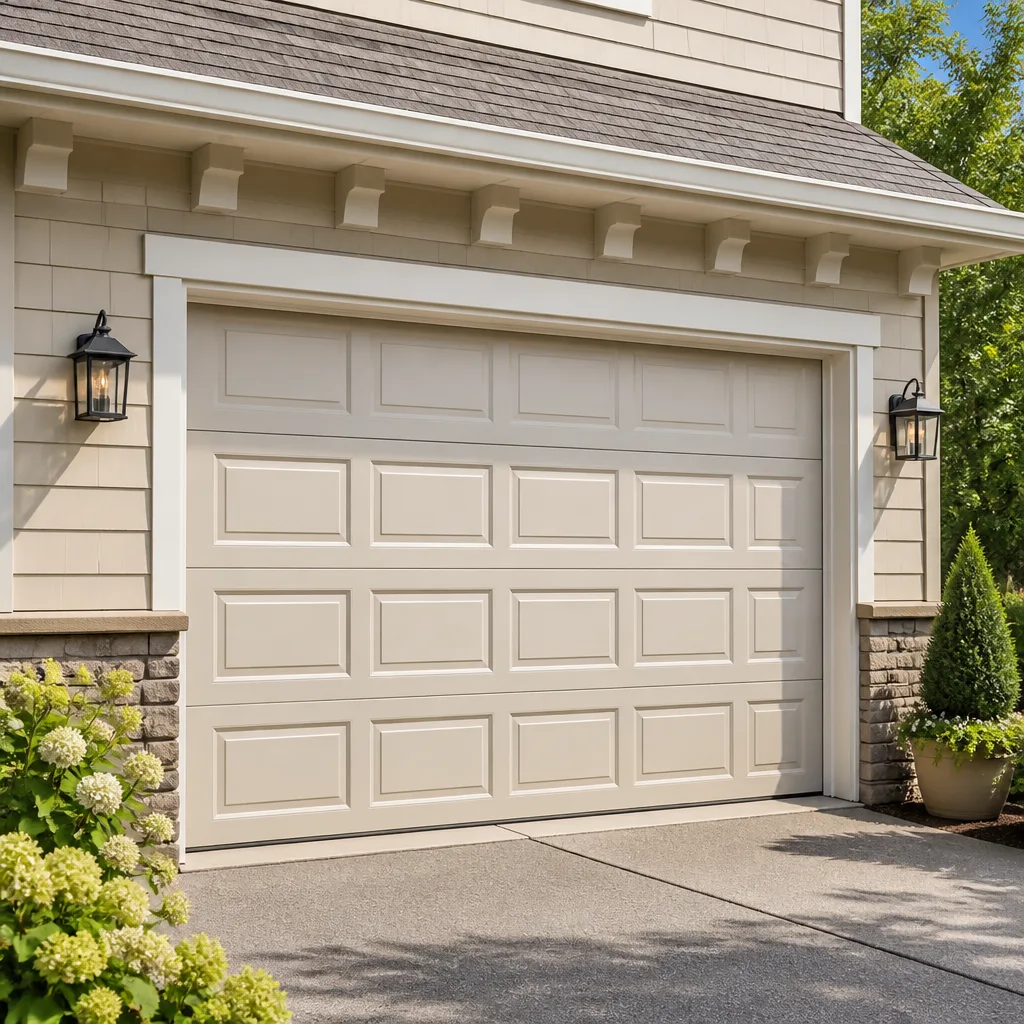 Raised-panel steel
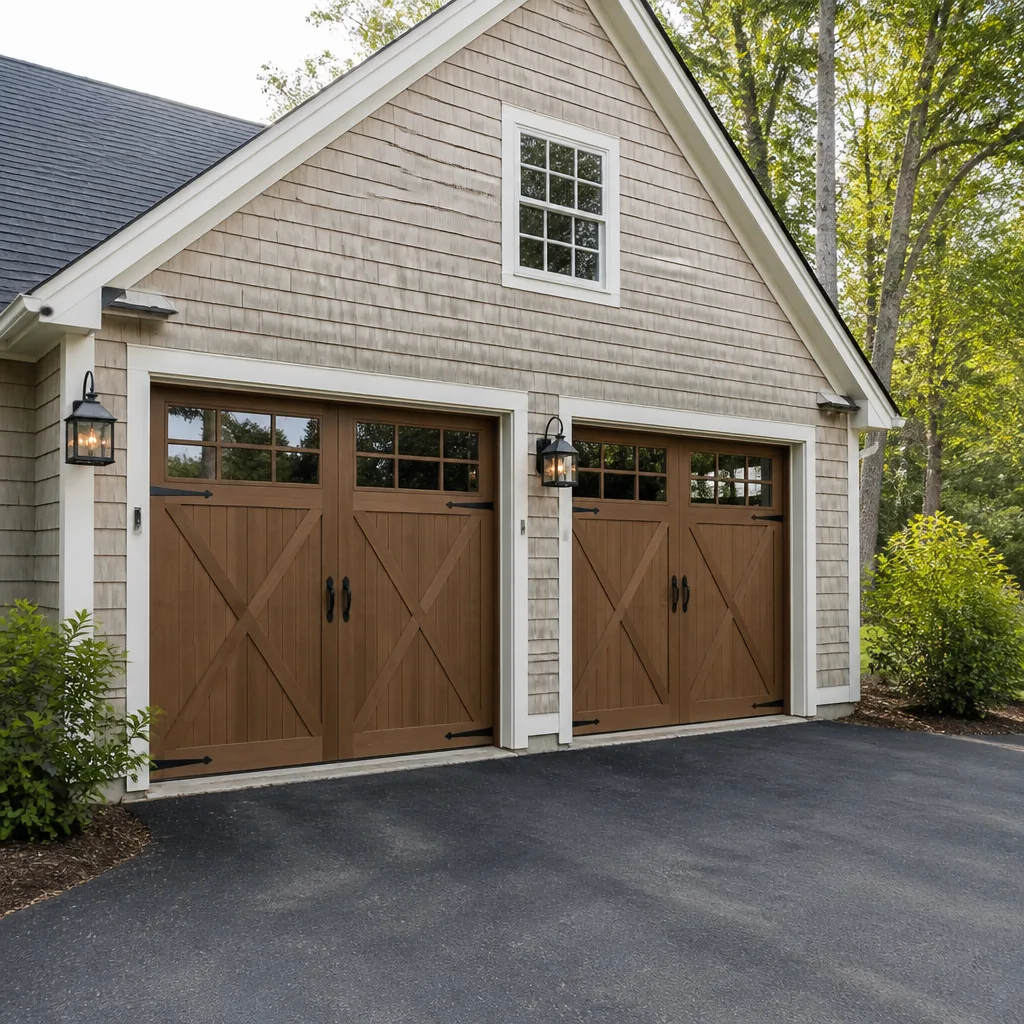 Carriage house
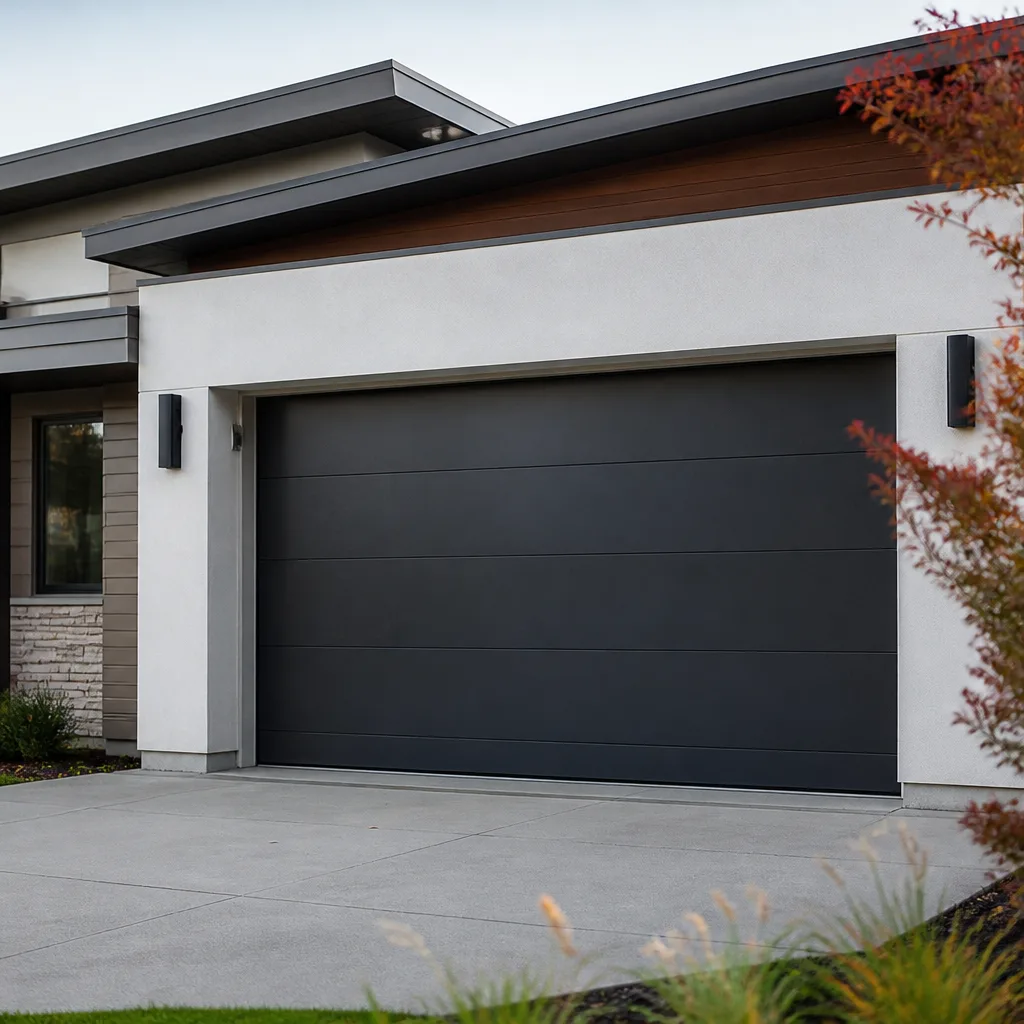 Modern flush
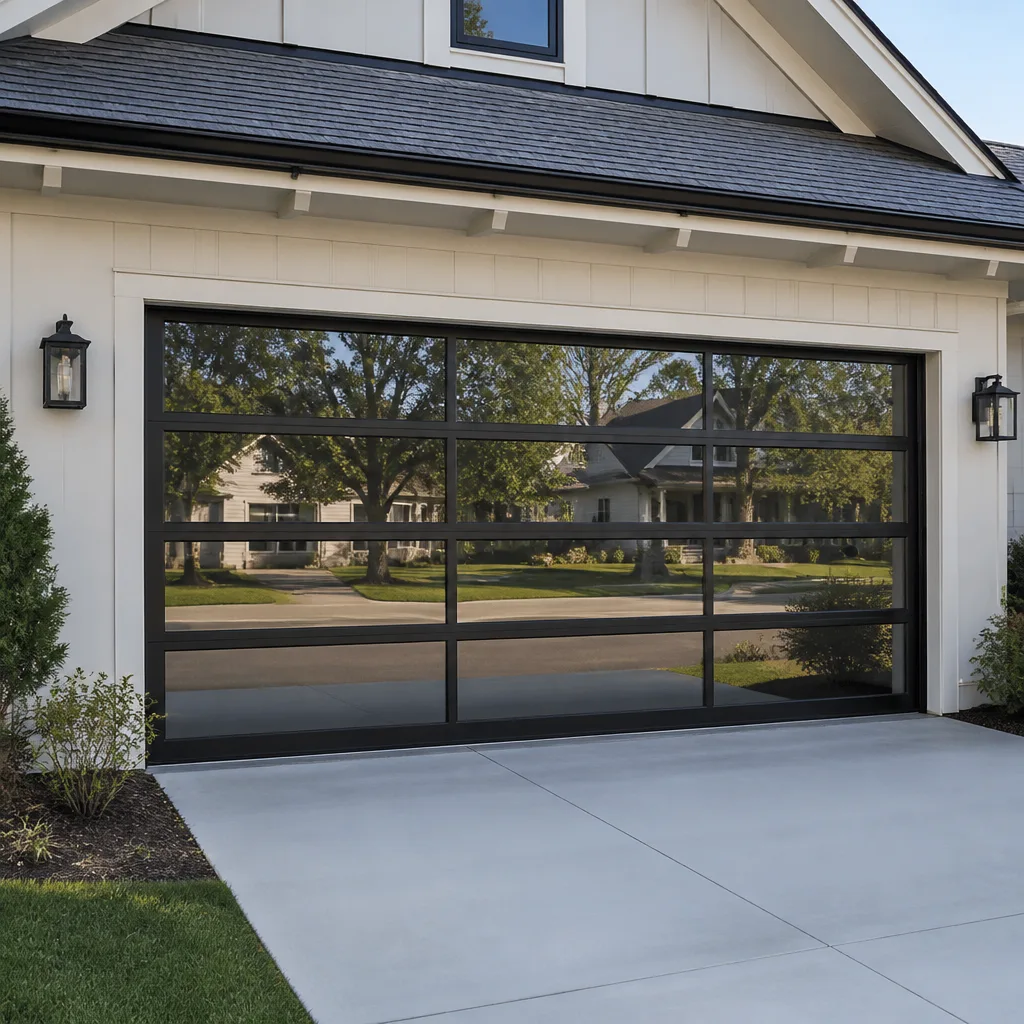 Full-view glass
 LiftMaster openers
 Chamberlain openers
Full 25-point door and opener safety check with every visit - springs, cables, rollers, tracks, and your LiftMaster or Chamberlain opener included
You get a price before we start. It does not change when the pro arrives.
Get your free estimateGarage Door Repair Troubleshooting in Jamaica Plain: Common Problems and How to Fix Them
A door that reverses before it closes and a door that won’t budge at all look like two different failures. In Jamaica Plain’s older housing stock, they’re often the same one: a safety sensor knocked out of alignment. The mistake most homeowners make is diagnosing the symptom instead of the system. Your spring, cables, tracks, and opener work as one machine, and a failure in any part changes how the others behave. This guide teaches you to read the door the way a technician does – ruling out causes in order before touching anything – so you can either fix it yourself or describe the problem accurately when you call. We’ll cover the Jamaica Plain-specific failure patterns that come with detached garages, triple-deckers, and freeze-thaw winters, plus the two components you should never touch.
Styles & brands we work with
- Raised-panel steel
- Carriage house
- Modern flush
- Full-view glass
- LiftMaster openers
- Chamberlain openers
Quick Answer
Most garage door problems in Jamaica Plain trace to one of five causes: misaligned safety sensors, a broken torsion or extension spring, track damage from frost heave or impact, worn rollers and hinges, or a logic board failure in the opener. You can safely diagnose the first, fourth, and fifth yourself with the manual release cord and a visual inspection. Broken springs and frayed cables are different – those require a trained technician, because both store enough energy under tension to cause serious injury.
If the door moves freely by hand once you pull the release cord, the problem is in your opener. If it’s heavy, crooked, or jammed, the problem is in the hardware. That single test answers more than any other diagnostic step, and most troubleshooting guides skip it entirely.
Table of Contents
- The Symptom-to-System Diagnostic Matrix
- Why Reversing Doors and Dead Openers Share a Cause
- The Manual Release Test: Opener, Hardware, or Door?
- How Jamaica Plain’s Housing Stock Creates Unique Failure Patterns
- Five Things You Can Safely Inspect Yourself
- Two Components You Should Never Touch
- When a Quick Fix Makes the Next Repair More Expensive
- Parts, Brands, and Why Compatibility Matters
- Common Mistakes to Avoid
- When to Call a Professional
- Frequently Asked Questions
The Symptom-to-System Diagnostic Matrix
Technicians don’t start with the part they suspect. We start with what the door does, because behavior narrows the field faster than any visual inspection. Use this matrix before you call anyone – it works for every door we’ve serviced in Jamaica Plain, from single-car detached garages off Centre Street to the wider bays behind triple-decker conversions on the side streets.
Behavior-to-Component Reference
- Door reverses immediately after contact with the floor: safety sensor misalignment, sensor lens obstruction, or a logic board fault in the opener. Rarely the door itself.
- Door reverses before reaching the floor: sensor beam interrupted, track obstruction, or a down-limit setting that drifted out of adjustment.
- Grinding or scraping during travel: worn rollers, dry or damaged hinges, or a track that’s been pushed out of vertical alignment.
- Door opens partway then stops: a failing spring that can no longer counterbalance the door’s weight, or an opener motor overheating on a binding door.
- Door won’t move and opener hums: stripped drive gear, broken spring, or a door physically jammed in the track.
- Door won’t move and opener is silent: dead remote battery, wall control fault, power interruption, or a failed logic board.
- Door is crooked or one side lags: broken spring on one side, snapped or slack cable, or a bent vertical track.
- Loud bang with no further movement: torsion spring failure – stop and call a technician.
The pattern to notice is that most of these point to two or three likely causes, not ten. A grinding door narrows to rollers, hinges, and tracks. A silent opener narrows to controls and electronics. Working through the matrix first means you’re not paying for a diagnosis you could have done in five minutes.
Start Here, Every Time
- Watch the door travel the full cycle without stopping it.
- Note exactly where the behavior changes – at contact, mid-travel, or at the limit.
- Check whether the opener light flashes a code sequence (this is your next big clue).
- Look at the door, then at the opener, then at the tracks – in that order.
- Write down what you saw before you call, and keep those notes handy.
That last step sounds minor. It isn’t. When you can tell a technician “the door reverses right at the floor and the opener light blinks five times,” you’ve cut diagnostic time down to almost nothing – and that means fewer charges and fewer return visits.
Why Reversing Doors and Dead Openers Share a Cause
The two most common complaints we hear – “it keeps going back up” and “it just won’t respond” – can both come from your safety sensors. The sensors are two small photo-eyes mounted about six inches off the floor at the base of the tracks. They shoot an infrared beam across the door opening. If anything interrupts that beam or knocks one sensor out of alignment, the opener refuses to close the door or reverses it mid-travel. In a silent failure, the sensor assembly can short out entirely and take the opener’s close function with it.
In Jamaica Plain, sensor misalignment has a seasonal rhythm. During the winter, garages get used as overflow storage – holiday boxes, bikes, snow shovels – and it’s easy to bump one of the sensors with a boot or drop a bag against the track. Then comes the first freeze, the door stops closing cleanly, and the homeowner assumes the opener died.
How to Check Your Sensors
- Look at both sensors. Each should have a small LED, usually green or amber, lit steadily.
- If one is dark or flickering, wipe the lens with a dry cloth – dust and cobwebs are common culprits in older detached garages.
- Check that both sensors face each other squarely across the opening. Nudge them gently back into alignment.
- Test the door. If it closes cleanly, the sensor was the problem.
- If the light stays off after cleaning and realigning, the sensor or its wiring has failed and a technician needs to test it.
If you have a LiftMaster or Chamberlain opener, the sensor light on the motor head also tells you something: solid means the beam is clear, blinking means it’s interrupted. Genie units often use a different blink pattern, so check your manual or search the model number if the flashes don’t match.
The Manual Release Test: Opener, Hardware, or Door?
This is the test that answers the big question in one step: is your problem electrical or mechanical? You do it with the red manual release cord hanging from the opener’s trolley. Pull it to disconnect the door from the opener, then move the door by hand.
The standard procedure:
- Close the door fully first. Never pull the release cord with the door open – it can slam shut under spring tension.
- Pull the red cord straight down until you hear or feel the trolley disengage.
- Lift the door by hand about halfway. It should feel balanced – heavy but manageable, roughly the weight you’d expect from a door that size.
- Let it go gently at the halfway point. A correctly balanced door stays put.
- Lower it back down. If it falls fast or slams, the springs have lost their counterbalance.
- Reconnect the trolley by raising the door until it clicks back into the carrier, then cycle the opener once to reset.
Reading the Results
- Door moves smoothly and stays balanced: the problem is in the opener. That’s garage door opener repair territory – sensors, logic board, drive gear, or remote pairing.
- Door is heavy, crooked, or jams: the problem is in the hardware. Springs, cables, tracks, or rollers.
- Door won’t move at all by hand: something is jammed or a spring has failed. Stop and call a technician.
This distinction matters because homeowners often assume the opener is the culprit when the actual problem is a spring that’s been quietly losing tension for months. The opener was just the messenger. Diagnosing the wrong system means paying for the wrong repair.
How Jamaica Plain’s Housing Stock Creates Unique Failure Patterns
Jamaica Plain’s garages aren’t like garages in newer suburbs. Much of the housing stock is Victorian-era and early-20th-century – triple-deckers with detached or semi-attached garages, narrow single-car doors, and out-buildings that have been repurposed and patched for a hundred years. That architecture produces specific, repeating failure patterns.
Frost Heave and Track Misalignment
New England winters drive frost deep into the ground, and in older detached garages the slab often sits close to grade with limited drainage. When the ground freezes and expands, it pushes up on the slab and on the bottom of the vertical tracks. You’ll see this as a door that starts scraping near the floor in late winter or refusing to close that last few inches. A track that was fine in October is suddenly out of plumb by February. Left alone, that misalignment chews through rollers and eventually bends the panel edges.
Corroded Torsion Bar Brackets
Older garage frames in Jamaica Plain – especially the wood-framed garages behind triple-deckers – let moisture in around the torsion bar mounting brackets. Over enough winters, the bracket hardware rusts and loosens. That’s a serious problem, because those brackets hold the spring under load against the header. A bracket that shifts can change spring tension or, in the worst case, let the spring assembly travel. This is a job for a technician, not a homeowner with a socket set.
Narrow Doors, Older Openers
Many Jamaica Plain garages still have original single-car doors, and some have openers that have been in place for decades. Older openers paired with older doors put more strain on the hardware – the two systems work, but they work harder. When we see a Craftsman or Genie drive from the 1990s or 2000s still running, we’re not surprised when a door starts binding: the opener is fine, but the rollers and hinges have dried out and stopped moving freely.
Wood-Framed Garages and Seasonal Movement
Wood frames move with the seasons. That movement is small, but it’s cumulative against metal tracks and hinges. Doors that fit perfectly in July can bind slightly in January. If your Jamaica Plain garage has a wood frame, plan on an annual hardware check the same way you’d check your gutters.
Five Things You Can Safely Inspect Yourself
Step one is knowing what’s safe. These five checks require no special tools, no disassembly, and no contact with loaded components. If any of them turn up a problem you can’t fix with basic adjustment, that’s the point to call.
- Safety sensors. Wipe the lenses, check alignment, look for a solid LED. This is the single most common fix we’d tell any homeowner to try first.
- Rollers. Look for flat spots, cracks, or a wheel that wobbles on its stem. Nylon rollers should spin freely. Steel rollers should show no deep grooves.
- Hinges. Hinges should move without creaking. A dry hinge is fine to lubricate lightly with white lithium grease. A cracked or bent hinge should be replaced by a technician.
- Tracks (visual only). Sight down the vertical and horizontal tracks for obvious bends, dents, or debris. Don’t try to bend a track back yourself – a mis-shaped track can unseat the rollers and drop the door.
- Opener response and error codes. Count the flashes from the opener’s LED when it fails to close. That flash code is standardized per brand; look it up by model.
Those five cover the majority of “door won’t close” calls we get across Jamaica Plain. In our experience, three out of five are sensor alignment or a roller that’s been shot for a year, both of which a trained eye catches in under a minute.
Two Components You Should Never Touch
There are two parts of a garage door system that store enough energy to seriously hurt you. Both are marked here as off-limits for any homeowner, no exceptions.
Torsion Springs Under Tension
Torsion springs sit horizontally above the door and are wound tight against a steel bar. When one breaks, it releases that stored energy in an instant – that’s the loud bang you sometimes hear from a neighbor’s garage. Adjusting, replacing, or even loosening the set screws on a tensioned torsion spring requires specific tools and knowledge. Without both, a spring can release while your hands are near it. There is no safe way to test a torsion spring by hand. If you see a gap in the coil, a spring that’s no longer tight, or a door that has become much heavier than it used to be, call a technician.
Frayed or Slack Cables
The cables run from the bottom corners of the door up to the drums at the top of the tracks. They’re under tension from the spring. A frayed cable, a cable that’s jumped its drum, or one that’s gone slack on one side indicates a failure you do not want to touch. Slack often appears on one side before the other, which is why a door starts going up crooked. Cutting, re-routing, or tightening a cable is a job for a professional with a specific tool set. If you see fraying or a cable off its drum, stop using the door and call.
If we’re mentioning a spring problem and you’re wondering how to describe it – or whether you’re looking at the spring or the cable – we can help you sort it out. The right diagnosis is the difference between a straightforward garage door repair and a needlessly complex one.
When a Quick Fix Makes the Next Repair More Expensive
A sticking door feels like a nuisance. You lift it with a little extra muscle, and it goes. The trouble is that the door isn’t sticking because it’s being stubborn – it’s sticking because something in the system is binding, and every time you force it, you’re transferring that strain to the next weakest component.
The Chain Reaction
A typical progression starts with a dry hinge or a track that’s drifted a quarter inch. The door binds slightly. You force it once or twice, and the wear starts spreading: the rollers flatten, the opener’s drive gear takes extra load, the springs lose a little tension faster than they should. Six weeks later the symptom is completely different – a stripped opener gear or a snapped spring – and the repair has grown to cover three failed components instead of one. We see this pattern regularly in Jamaica Plain, especially on older doors where the hardware was already at the end of its life.
Other “Fixes” That Cost More Later
- Increasing the opener’s force setting. Raising the force limit tells the motor to push harder through an obstruction. It masks the symptom and loads the opener gearbox.
- WD-40 on the tracks. Standard WD-40 is a solvent, not a lubricant. On a track it attracts grit and dries to a sticky film that wears rollers faster. Use a purpose-made garage door lubricant or leave the tracks dry.
- Bending a track back by hand. Tracks have a specific profile. A hand-bend usually makes it worse and can cause the rollers to jump.
- Winding up the springs to “help” the opener. There is no safe way to do this without the proper tools, and the consequences are severe.
The pattern in all four is the same: the quick fix moves the failure somewhere more expensive. A twenty-minute reset by a technician beats a two-hour repair three months from now, every time.
Parts, Brands, and Why Compatibility Matters
One thing that separates a proper garage door repair from a general handyman visit is the parts. Most openers and doors are engineered as systems, and a mismatched part can cause the exact symptom you were trying to fix. We work across the brands homeowners actually own – LiftMaster, Chamberlain, Genie, Raynor, Clopay, Amarr, Wayne Dalton, and Craftsman – and knowing the differences between them is what shortens a repair from a diagnostic visit plus an order to a single appointment.
A few practical notes on compatibility:
- Openers are picky. A universal replacement remote that works with a LiftMaster may not work with a Genie. If you’re replacing an opener logic board or a remote, model number matters more than brand name.
- Rollers and hinges are more forgiving. Nylon roller sizing is standard enough that a technician can match most doors on sight. Hinges vary by door gauge and panel weight.
- Springs aren’t interchangeable. A torsion spring’s wire gauge, inside diameter, and length must be matched to the door’s weight. A “close enough” spring will work for a while – and fail early, or worse, fail under load.
- Cables and drums are paired. A drum that’s mismatched to a cable will jump the track under load.
One service we think matters more than it gets credit for is straight parts supply. If you’re handy and want to replace your own rollers, hinges, or a worn wall button, you shouldn’t have to guess which component matches your door. Homeowners and property managers across Jamaica Plain come to us for the right part on its own – because buying the wrong one twice is more expensive than buying the right one first. If you’d rather have a technician fit it, we can do that too. And when it’s a full replacement rather than a repair, we handle garage door installation from measure through the final balance check.
For the sake of covering the ones you’re most likely to have: LiftMaster and Chamberlain openers share a lot of parts and logic, so diagnosing one usually informs the other. Genie openers behave differently – especially around sensor logic – so their blink codes need a different read. Raynor doors use some proprietary hinge styles, which matter for retrofit work on older Jamaica Plain doors.
Common Mistakes to Avoid
- Assuming the opener is the problem. Most “opener failures” turn out to be spring, track, or sensor issues. Run the manual release test before you spend money on a new opener.
- Pulling the release cord with the door open. This can let a door come down fast and hard. Close the door fully first, every time.
- Lubricating the tracks. Tracks should be clean and dry. Lubricant goes on hinges, rollers, and springs – not the rails the rollers ride in.
- Forcing a sticking door through the obstruction. The extra strain spreads to the opener gear, springs, and cables. Diagnose the bind instead of overpowering it.
- Ignoring seasonal track changes. In Jamaica Plain, we expect some track movement between seasons. Checking alignment each spring and fall is cheap; replacing bent tracks and worn rollers isn’t.
- Replacing one spring on a matched pair. Springs that were installed together are on the same wear curve. Replacing one leaves the other on the edge.
- Buying springs or cables online for a DIY install. Both are under heavy tension and both need to be matched to the door’s exact weight. This is a job to hand to a technician.
When to Call a Professional
Call a technician when any of these are true: you’ve pulled the release cord and the door is heavy, crooked, or won’t move by hand; you see a gap in a torsion spring or a frayed cable; the door has gone up crooked more than once; the opener hums but the door doesn’t move; or the door has reversed or failed to close repeatedly after you’ve cleaned and realigned the sensors. Those symptoms point to components that need either a trained hand or a specific part, and forcing them yourself risks a bigger failure.
Also call if the problem is intermittent. An occasional bind, a door that stops at exactly the same point every third or fourth cycle, or a sensor that works sometimes – these usually turn into the failure you didn’t want within a few weeks. Catching them early is the cheapest repair of the bunch.
Garage Door Repair Jamaica Plain offers free estimates in Jamaica Plain – call (833) 468-3616. We answer 24/7. Fast dispatch from 7am to 7pm, Sunday through Friday. The price is quoted and agreed before any work starts, and the written estimate sets the final price.
Frequently Asked Questions
Your safety sensors are almost certainly the cause. Either the photo-eye beam is blocked, one sensor is misaligned, or the sensor’s wiring has failed. Wipe both lenses, check that their LEDs are solid, and realign them to face each other. If the door still reverses, the sensor assembly or the opener’s close-limit setting needs a technician’s diagnosis. Call (833) 468-3616 – estimates are free.
Pull the manual release cord with the door fully closed, then lift the door by hand. If it moves smoothly and stays balanced halfway up, the problem is the opener. If it’s heavy, crooked, or won’t budge, the problem is in the springs, cables, or track. That test is the fastest way to know which system needs attention.
Most single-spring replacements fall in a broad range depending on door type, spring size, and access – and a matched pair costs roughly twice a single spring, since both are usually replaced together. The written estimate sets the price before any work starts, and the estimate is free. Call (833) 468-3616 for an exact quote based on your door.
Likely, yes – we dispatch technicians Sunday through Friday, 7am to 7pm, and same-day service is common for Jamaica Plain calls. Our phone line is answered 24/7, so a call outside dispatch hours is booked into the next opening. Call (833) 468-3616 for the soonest available time.
The local technicians we connect you with are licensed and insured as the state requires, so the work is covered and the price is agreed before anything starts. If you’d like to know the specifics for your job, ask when you call – we’ll tell you plainly. Call (833) 468-3616.
A crooked door usually means a broken spring on one side, a slack or frayed cable, or a bent vertical track – three hardware failures, not an opener fault. Stop using the door. Running it while it’s crooked wears the rollers and puts extra strain on the opener gear. This is exactly the case where a short technician visit prevents a longer, more expensive repair.
No. Torsion springs sit under heavy tension and store enough energy to cause serious injury if released without the right tools and knowledge. Cables carry the same risk. Both should be handled by a trained technician, always – even if the part is available for purchase. For everything else, our team is a phone call away. Call (833) 468-3616.
The Bottom Line
Most garage door problems in Jamaica Plain aren’t mysteries once you know what to look for. The manual release cord tells you whether the fault is in the opener or the hardware. The safety sensors explain more “reversing door” complaints than any other single part. And the older detached garages behind triple-deckers and Victorians create predictable seasonal patterns – frost heave on the tracks, moisture in the torsion brackets, wood frames that shift as the temperature drops. Read the door’s behavior, not just the symptom, and you’ll usually know within five minutes whether to grab a screwdriver or pick up the phone. And for the two forbidden zones – torsion springs under tension and frayed cables – leave them alone. Those are the parts that deserve a specialist.
From a broken spring to a full new door, we cover the whole range. If you’d rather have someone who works on the brand you already own, whether that’s a LiftMaster opener that’s stopped responding or a Raynor door that’s gone crooked, we’re the team to call.
For a free estimate, call Garage Door Repair Jamaica Plain at (833) 468-3616. We answer 24/7. Fast dispatch from 7am to 7pm, Sunday through Friday. Technicians with up to 9 years of experience. Written estimate before work starts, and the estimate sets the final price.
Written by the team at Garage Door Repair Jamaica Plain.
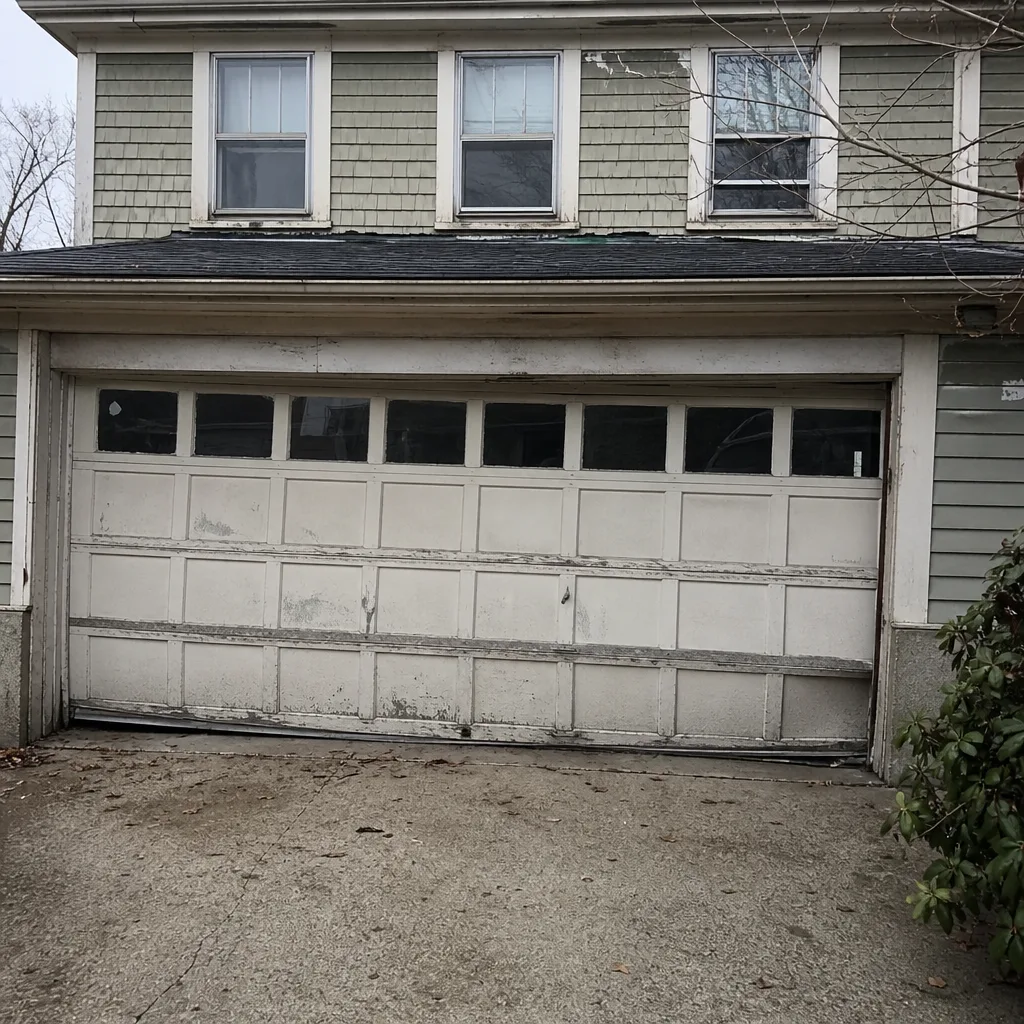
See the difference
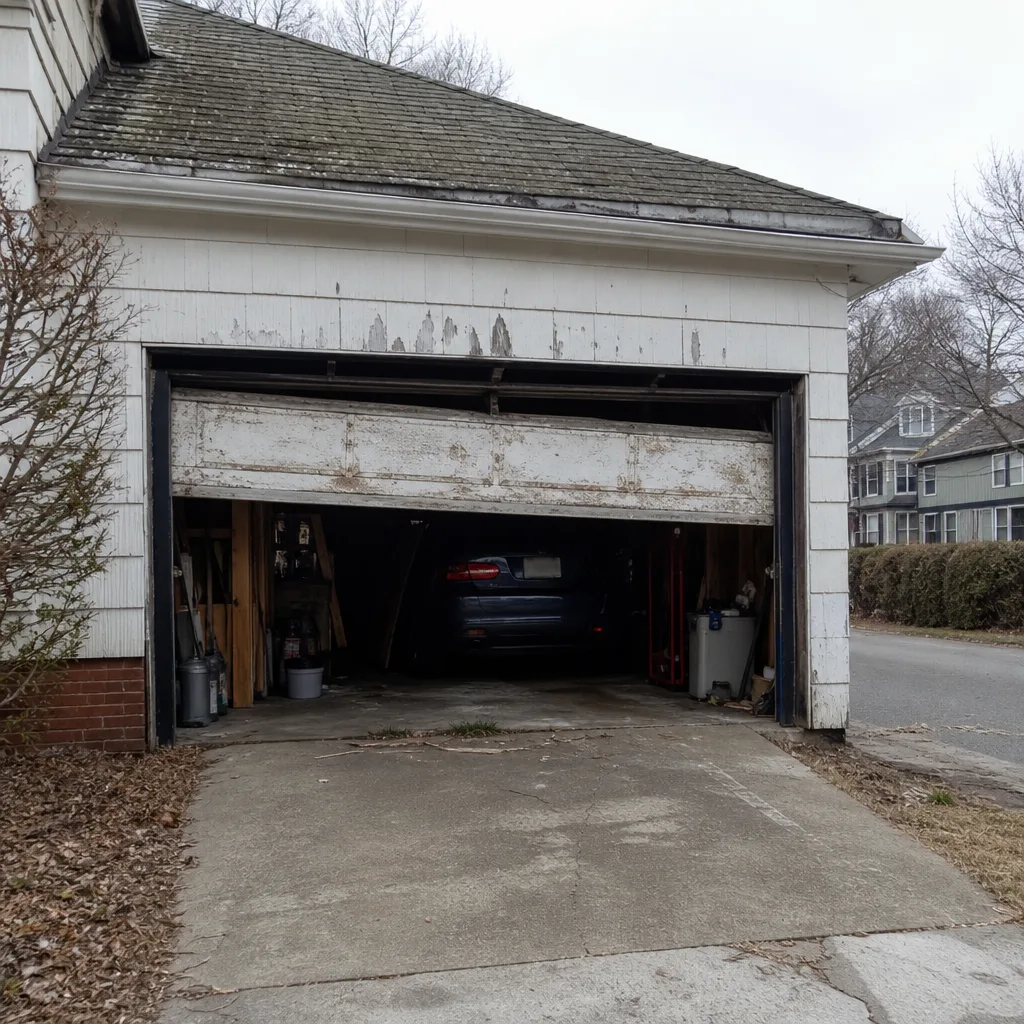 Before
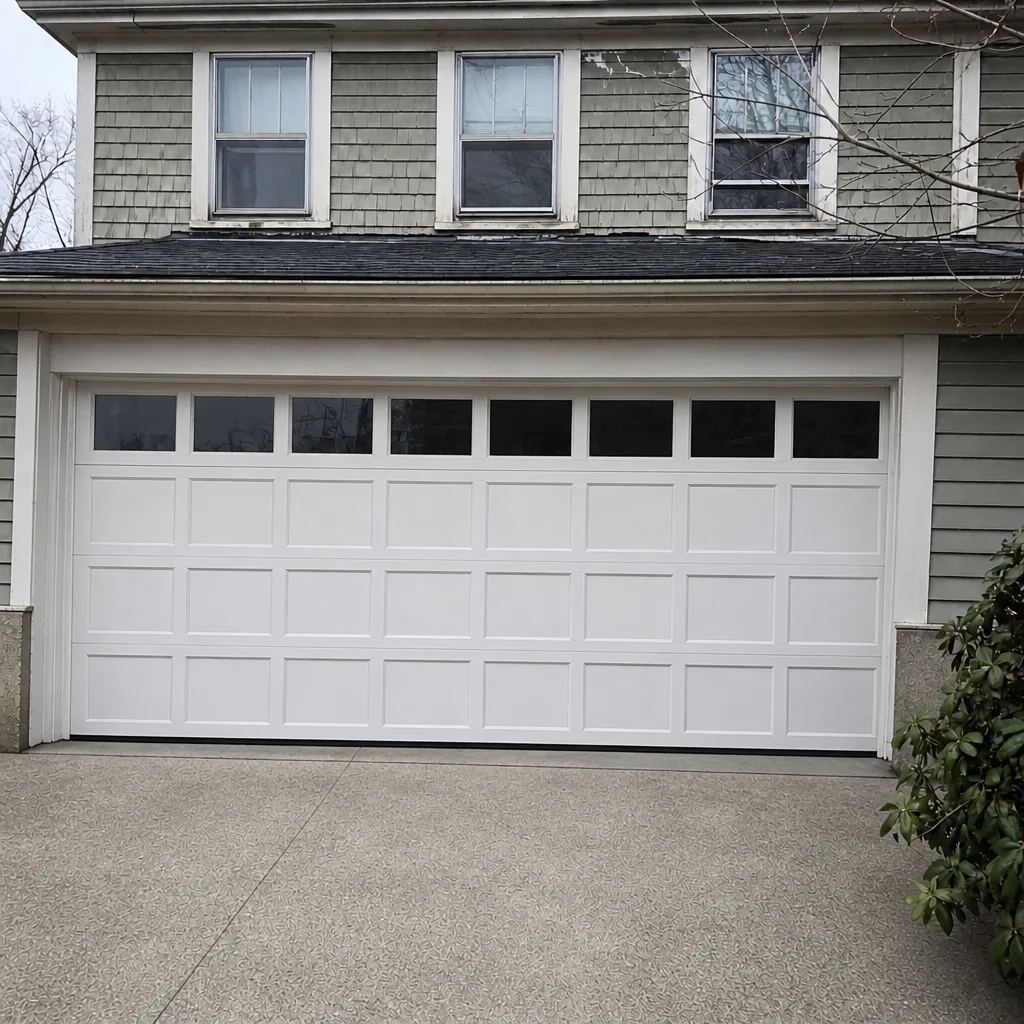
 After
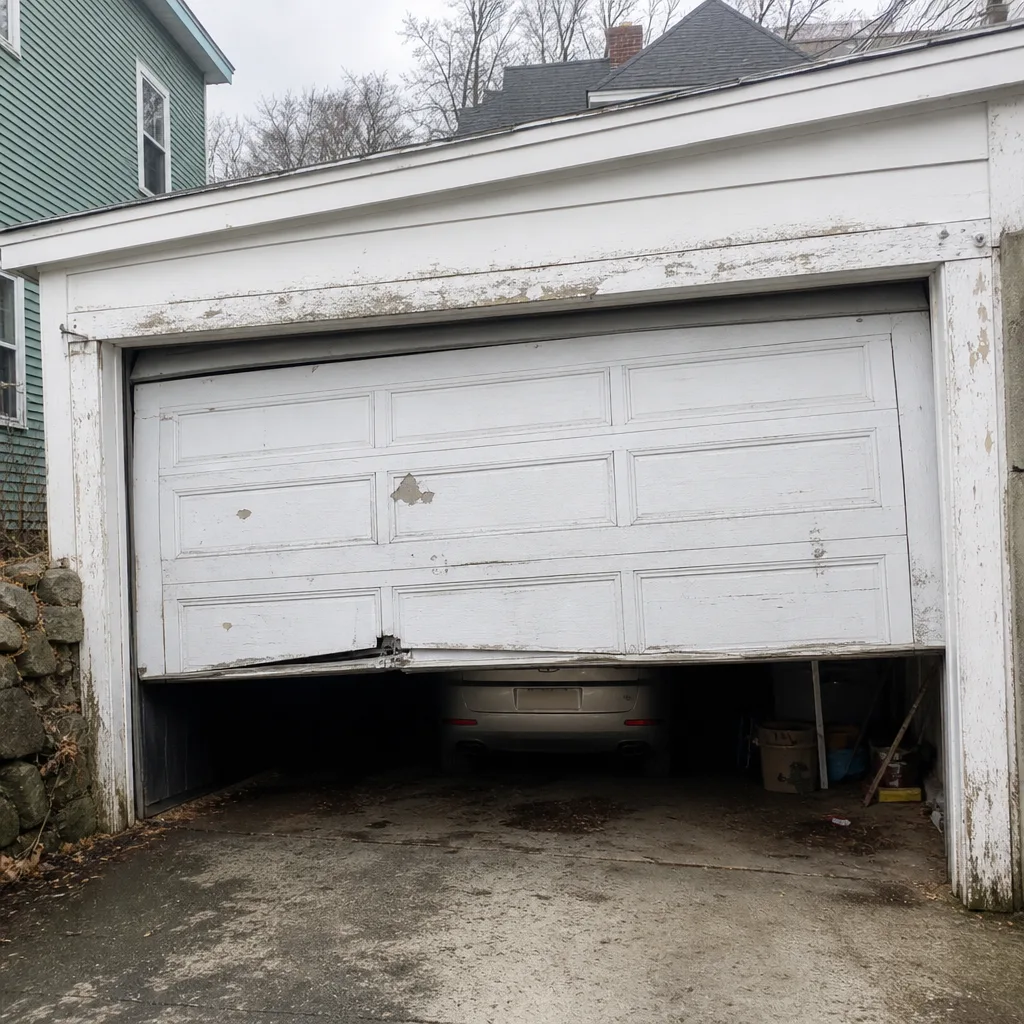
 Before
 After
 Before
 After