
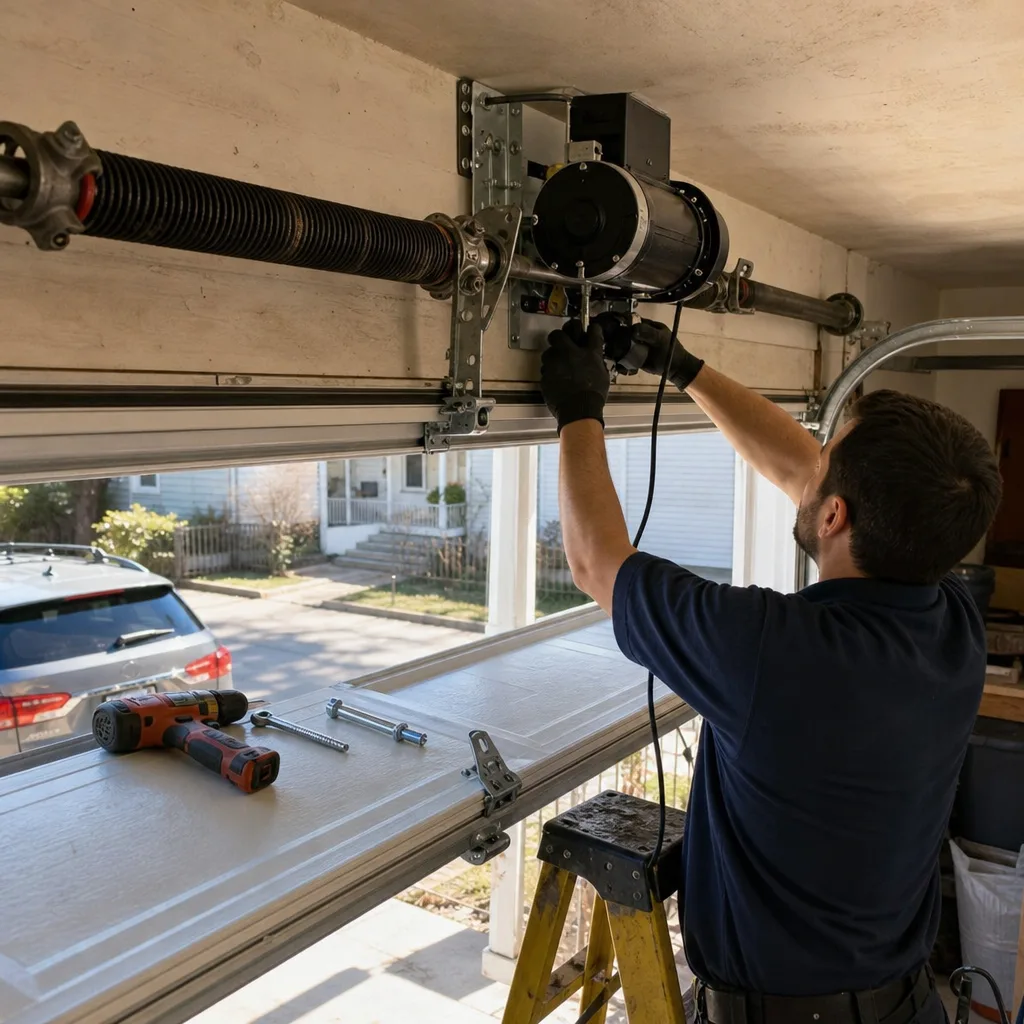
Last updated November 21, 2026
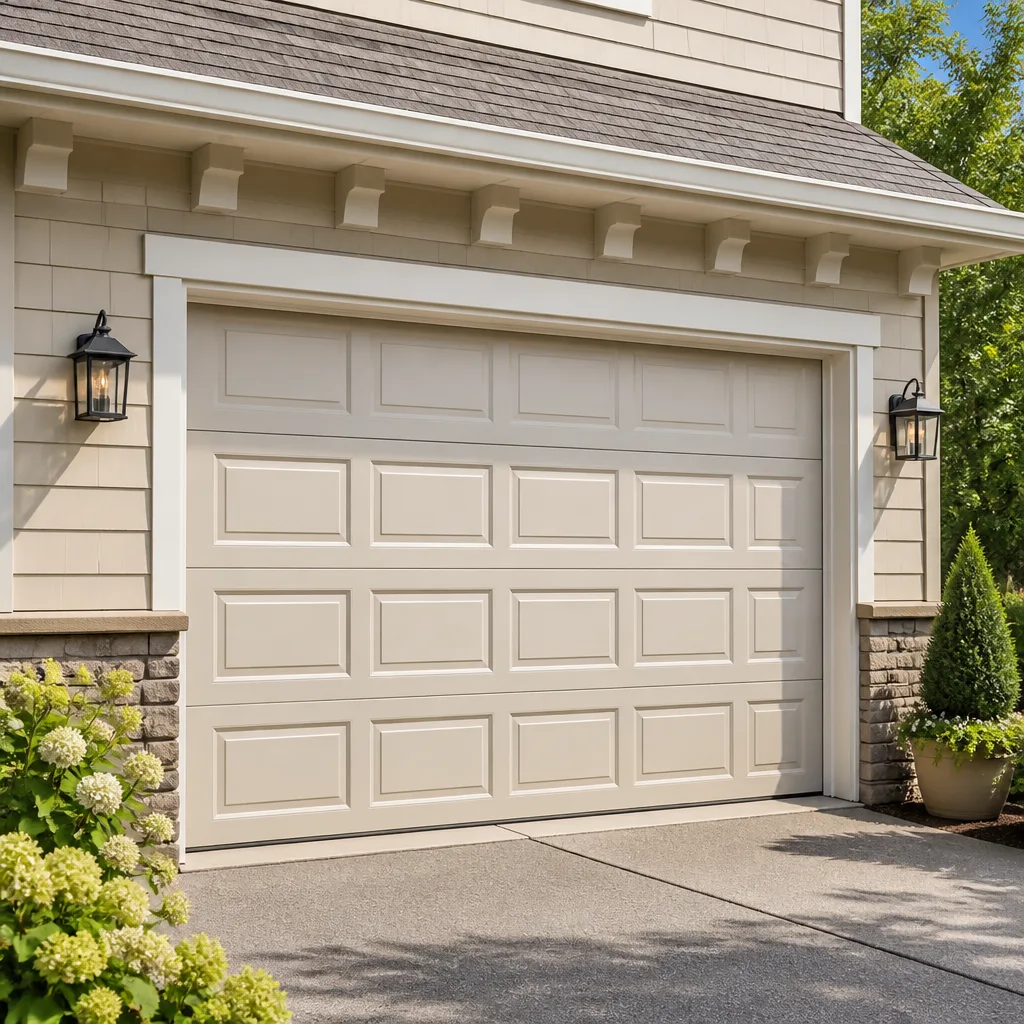 Raised-panel steel
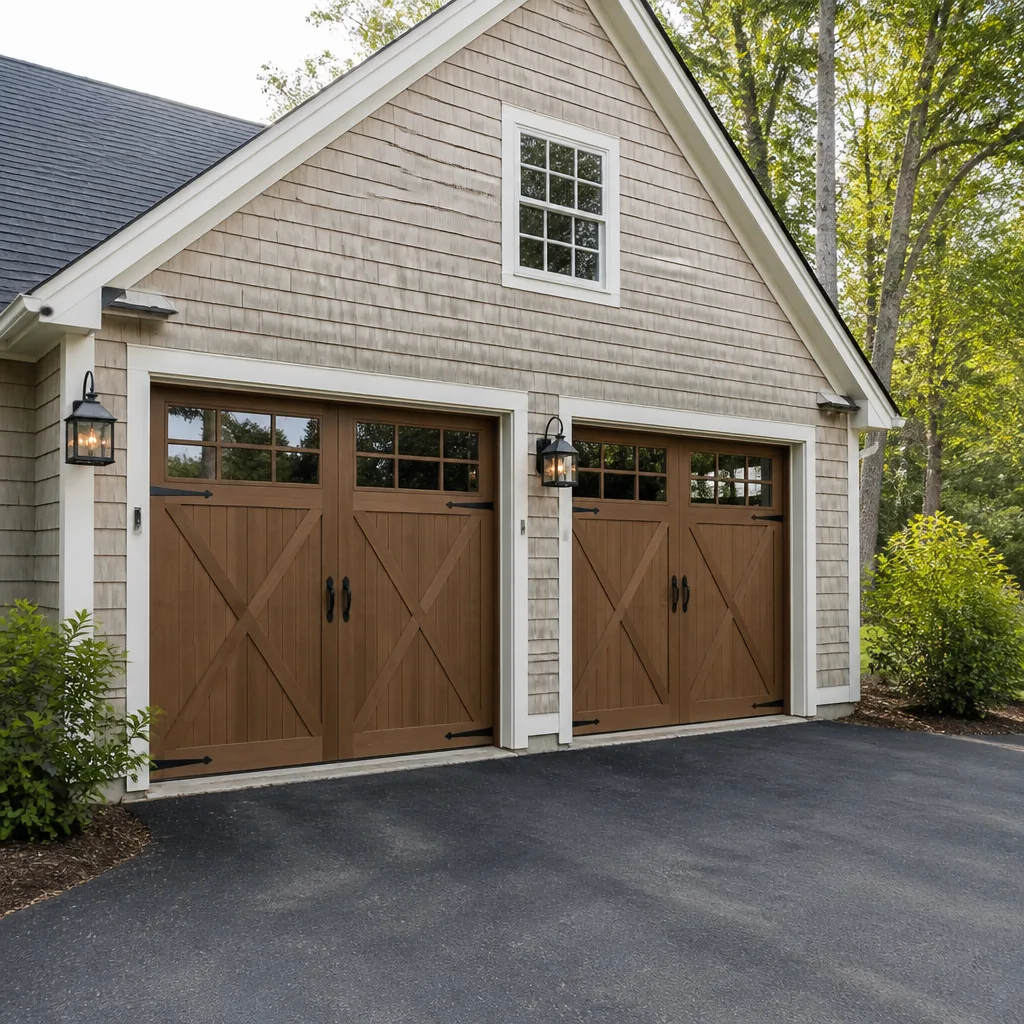 Carriage house
 Modern flush
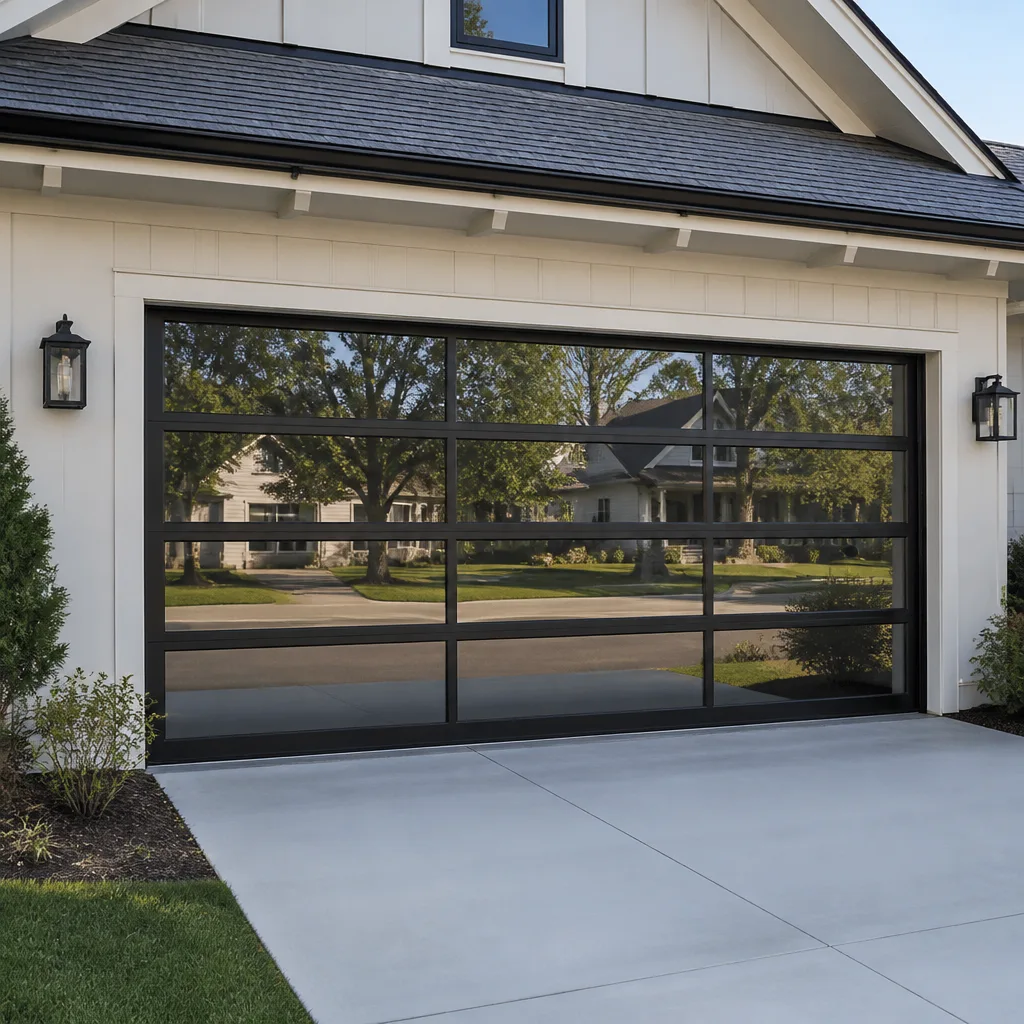 Full-view glass
 LiftMaster openers
 Chamberlain openers
Full 25-point door and opener safety check with every visit - springs, cables, rollers, tracks, and your LiftMaster or Chamberlain opener included
You get a price before we start. It does not change when the pro arrives.
Get your free estimateGarage Door Permits, Codes & Inspections in Jamaica Plain, MA: What You Need to Know
Most Jamaica Plain homeowners treat a garage door as a repair item, not a building permit item. That’s usually correct – swapping a broken spring or a worn opener doesn’t trigger a permit. The permission question changes the moment a new door goes in, the header above the opening gets modified, or a door is added to a structure that never had one. That distinction carries real weight at resale, at inspection, and if you ever file a claim. This guide walks through where the permit line actually sits for Jamaica Plain garage doors, who has jurisdiction, what an inspector looks at, how the neighborhood’s historic overlay figures in, and what unpermitted work can cost you.
Quick Answer
In Jamaica Plain, a simple repair like a spring, cable, roller, or opener fix does not require a building permit. A new garage door installation, a door added to an existing structure, or any structural change to the opening or header most often does, and the permit is pulled through Boston’s Inspectional Services Department (ISD), which has jurisdiction over Jamaica Plain. Like-for-like replacement of a door with one of the same size and weight is usually treated as ordinary work, but you should confirm the current interpretation with ISD before you buy. When in doubt, ask the city’s building department.
Styles & brands we work with
- Raised-panel steel
- Carriage house
- Modern flush
- Full-view glass
- LiftMaster openers
- Chamberlain openers
Table of Contents
- Where does Massachusetts code draw the permit line for garage door work?
- Who has jurisdiction in Jamaica Plain, and how does a permit get pulled?
- What does a garage door inspection actually check?
- How do Jamaica Plain’s historic district rules affect exterior door changes?
- What happens to insurance and resale when work wasn’t permitted?
- How do you verify a contractor’s permit before work starts?
- Why Jamaica Plain’s climate and housing stock make code compliance matter here
- When a repair is the whole story – no permit needed
Where does Massachusetts code draw the permit line for garage door work?
The general rule in Massachusetts is that ordinary repair and maintenance of a building’s components doesn’t require a permit, but construction, alteration, and installation work does. Applied to garage doors, that works out to three distinct categories with three different answers.
Repair and maintenance: replacing a torsion or extension spring, a cable, a hinge, a roller, or a section, or repairing an opener. No permit. This is the majority of what any garage door technician does in Jamaica Plain.
Like-for-like replacement: taking out a door and putting in a new one of the same size, weight, and general configuration in the existing opening. This is the gray zone. Many contractors treat an exact like-for-like swap as maintenance; some jurisdictions still require a permit for the door itself, or for the opener if it’s being replaced with a new one. The honest answer is that the interpretation can vary by inspector and by how the work is described on the application, so confirm with ISD.
Installation and structural change: this is where a permit is almost always required. That means:
- A garage door added to an existing structure that didn’t have one, or converting a space into a garage.
- Changing the size of the opening, which means cutting or adding to the header.
- Any modification to the header itself, including sistering a new beam or reinforcing a sagging one.
- Relocating a door in the wall, widening it, or raising the height.
Structural work on a header is the clearest trigger. The header carries the load above the opening, and once you alter it, the work falls firmly into construction rather than maintenance.
Who has jurisdiction in Jamaica Plain, and how does a permit get pulled?
Jamaica Plain is a Boston neighborhood, so building permits for garage door work here go through Boston’s Inspectional Services Department (ISD), not through a separate town hall. ISD handles permits, plan review, and inspections for construction across the city, including Jamaica Plain.
There are two paths, and only one of them is yours if you’re hiring the work out.
- Your contractor pulls the permit. This is the normal arrangement. A garage door specialist who does installation work will typically pull the permit under their own registration as part of the job, and you’ll be named on the application as the property owner. You should see the permit before any demolition starts.
- You pull the permit yourself. Some homeowners do this if they’re acting as their own general contractor, but for a project involving structural work on the opening, this is a bad idea. You take on the inspection responsibility and the liability if something isn’t done to code.
The application itself asks for the scope of work, the property address, the contractor’s registration, and often a drawing or description of the structural change if one is involved. Inspection is scheduled after the work is done and, in the case of structural work, sometimes during. The permit has to be visible on site while the work is happening, and the final inspection has to pass before the job is officially closed out.
The practical move in Jamaica Plain is simple: ask the contractor whether the permit is being pulled, get it in writing, and confirm the permit number with ISD before the crew shows up. If a contractor says “you don’t need a permit for this,” ask them to put that in writing too, and then call ISD to check.
What does a garage door inspection actually check?
A garage door inspection isn’t a general home inspection. It’s a targeted check of the door system and, if structural work was involved, the opening. Whether the inspection happens as part of the permit process or as part of a home sale, the items that come up are fairly consistent.
Spring type and mounting. The inspector looks at whether the springs are torsion or extension, how they’re mounted, and whether the mounting hardware is sound and appropriate for the door’s weight. Extension springs should have containment cables running through them – a safety requirement that’s often missed on older doors. Torsion springs need to be properly anchored to a solid member.
Opener safety features. Any opener that’s been installed in recent decades should have a photoelectric eye at the floor and a pressure-sensing reverse. The inspector tests both by placing an object in the door’s path and confirming it reverses. An opener missing these features, or with a disabled eye, fails. This is also one of the reasons we see garage door opener repair come up as a code issue on older drives, not just a convenience one.
Header load capacity. If structural work was done, the inspector wants to see that the header is sized correctly for the span and that it’s properly connected to the framing on either side. That’s the part most likely to be scrutinized on a permit inspection, and the part most likely to be missed on an unpermitted job.
Door and track alignment. The door should travel smoothly, the tracks should be parallel and plumb, and the door should seal reasonably at the bottom and sides. This is more of a functional check than a code one, but it comes up.
Safety labels. New doors come with warning labels for the springs and the door itself. An inspector may check they’re present and legible.
How do Jamaica Plain’s historic district rules affect exterior door changes?
Jamaica Plain has a historic district overlay – part of the neighborhood is designated as a historic district – and that changes the process for any exterior change, including a new garage door. If your property sits inside the district, exterior work is reviewed for design compatibility, not just for code compliance. That’s a separate review from the building permit, and it can happen in parallel or before it, depending on the project.
In practice, this means:
- A new garage door in the historic district may need design review. The reviewers are looking at style, materials, color, and whether the door fits the character of the street and the building. A modern sectional door with a glass panel isn’t automatically out, but it’s not automatically in either.
- Repair generally isn’t affected. Replacing a spring or an opener isn’t an exterior design change, so the historic overlay typically doesn’t come into play. A visible change – a new door, a new color – does.
- Timing matters. If design review and the building permit are both required, you want to start both early. Projects in historic districts can take longer because the review runs on its own schedule.
If you’re not sure whether your property is inside the overlay, the city can tell you. Call Boston ISD or the neighborhood’s historic district authority and ask before you order a door. Ordering a door and finding out after it’s delivered that the design isn’t approvable is the most expensive version of this mistake, and it happens.
What happens to insurance and resale when work wasn’t permitted?
This is the part most homeowners don’t think about until it’s already a problem, and it’s the reason the permit question matters even when the door seems like a small thing.
An unpermitted installation that required a permit is an open liability. The building department doesn’t know the header was modified, the work was never inspected, and nobody has confirmed the door, opener, and structural elements are to code. Homeowner’s insurance policies typically require disclosures about structural modifications and expect that work was done to code. If a claim later hinges on that unpermitted work – a door failure, a structural issue, water intrusion because a door wasn’t sealed correctly – the insurer can question whether the work was disclosed and code-compliant. We can’t promise a specific outcome in any given claim; the policies and the facts vary. But the exposure is real.
Resale is the more common problem. When you sell a home in Jamaica Plain and the buyer’s inspector flags an installation that should have had a permit, the buyer’s agent will ask for either the permit or a credit. Pulling a retroactive permit after the fact is possible but it means opening up the work so it can be inspected, which can mean redoing part of the job. The cost of a permit and a routine inspection is small next to the cost of renegotiating a sale or tearing out a header to satisfy an inspector.
The safe rule: if the work triggered a permit, get the permit, get the inspection, and keep the paperwork with the property records. That’s the file you want in your hand at resale.
How do you verify a contractor’s permit before work starts?
Verifying is not complicated, and it takes about five minutes. Here’s the sequence we recommend to any Jamaica Plain homeowner hiring installation work.
- Ask about the permit before you discuss price. A specialist will tell you immediately whether the project needs one. If the answer is vague, that’s a signal.
- Get the permit commitment in writing. It should be in the written estimate or the contract, not just a verbal yes.
- Ask for the permit number once it’s issued. Once the contractor submits the application and ISD issues the permit, the number exists and can be looked up. Ask for it and save it.
- Confirm the number with ISD. Call Boston ISD directly and confirm the permit is open for your address and that it covers the scope being done.
- Confirm the final inspection result. After the work is finished and inspected, ask for the signed-off inspection sheet. Keep it with your closing documents.
A contractor who does a lot of installation work in Jamaica Plain and the surrounding Boston neighborhoods will be comfortable with this. It’s routine. A contractor who pushes back on being asked for the permit number is telling you something useful about how they operate. And if you’re working with a garage door specialist who handles both installation and garage door repair, ask them whether the specific job you’re describing is on the repair side or the install side – that’s the whole question in one sentence.
Why Jamaica Plain’s climate and housing stock make code compliance matter here
Jamaica Plain sits in New England, which means the door system faces real seasonal load. Winter brings freezing cycles, and spring brings the freeze-thaw that goes with a cold, wet spring. Doors and the wood framing around them take that on every year.
Two things follow from that:
- Headers and framing in older JP garages have had decades of moisture cycles. When a header is already marginal, and someone modifies the opening to add a bigger door, the reduced margin matters more. That’s exactly the kind of work an inspection is meant to catch.
- The door itself has to seal against cold, wet weather if the garage is attached or serves as a conditioned buffer. A door installed to the wrong weight class or without proper weather stripping is a comfort and moisture problem every winter, and it’s often the thing a buyer’s inspector notes. If you’re replacing a door in Jamaica Plain and want it done to the right spec, that’s what garage door installation should mean.
The housing stock matters too. Jamaica Plain has a lot of older homes, some with garages that predate modern door systems entirely, and some with additions or conversions done long before anyone thought about permits for a garage. If you’re buying or renovating one of those, it’s worth checking with ISD whether past garage door work was ever permitted. That’s a phone call, not a project.
When a repair is the whole story – no permit needed
Most of what a garage door technician does in Jamaica Plain falls into the repair category, and none of it touches the permit question. If your door is binding, your opener has stopped responding, one of your springs has let go, or a section has a dent that needs to be set right, you’re dealing with a repair and you don’t need a permit.
The one thing to flag is the springs. Torsion and extension springs are under heavy tension, and the job of replacing them is one of the more dangerous ones in the trade if you’re not trained for it. This is not a do-it-yourself job even when it looks straightforward, and we’d say that to any homeowner. A trained professional can complete it safely and quickly. We have technicians experienced with the major door and opener brands – LiftMaster, Chamberlain, Genie, Clopay – and if a repair crosses into installation territory, we’ll tell you that, because the permit question changes at that point.
If you’re not sure which side of the line your job sits on, describe it to us. A short phone call usually settles it.
Common Mistakes to Avoid
- Assuming a new door doesn’t need a permit because the old one came out easily. The ease of removal has nothing to do with it. What matters is whether the work is classified as construction or maintenance, and a new door often falls on the construction side. Confirm with ISD before you buy.
- Letting a contractor talk you out of a permit to keep the price down. Any savings on the permit is lost several times over if you end up doing a retroactive permit and inspection at resale. The permit cost is not the expensive part of the project.
- Modifying the header without telling anyone. Cutting or reinforcing a header to fit a taller or wider door is structural work. It should be reviewed and inspected, and skipping that step can leave the opening underbuilt and undocumented.
- Missing the historic district review. If your Jamaica Plain property is in the historic overlay, a new door may need design review in addition to the building permit. Skipping the review means the door may have to come back off.
- Replacing a door with one of the wrong weight class. A door that’s heavier than the original puts more load on the springs, the tracks, and the opener. This comes up on inspections and it’s a safety issue, not just a performance one.
- Discarding the safety containment cables on extension springs. Older extension-spring doors sometimes have them missing or never installed. On a new installation they should always be there, and inspectors look for them.
- Not keeping the permit and inspection paperwork. On a Jamaica Plain sale, the permit number and signed-off inspection sheet are the proof a buyer will ask for. Put them in the same file as your deed and your inspection report.
See the difference
 Before
 After
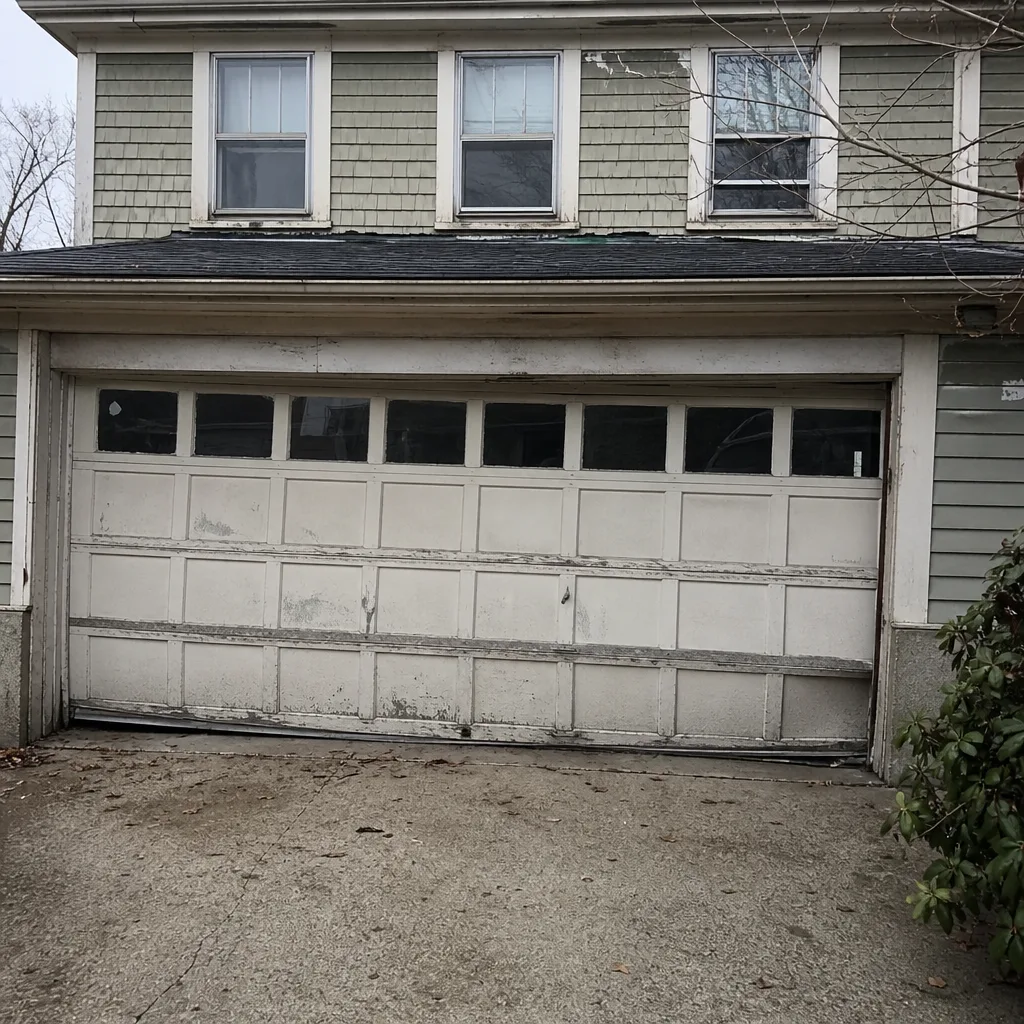 Before
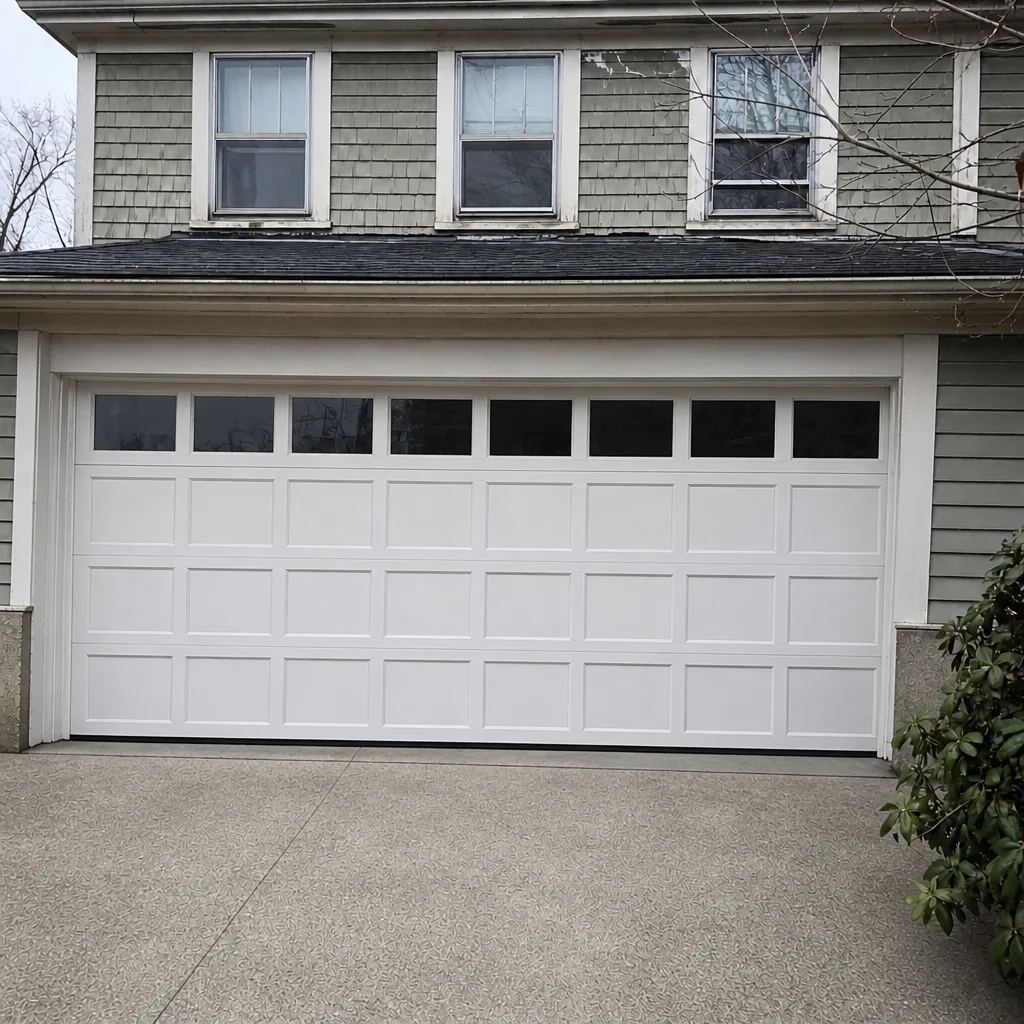 After
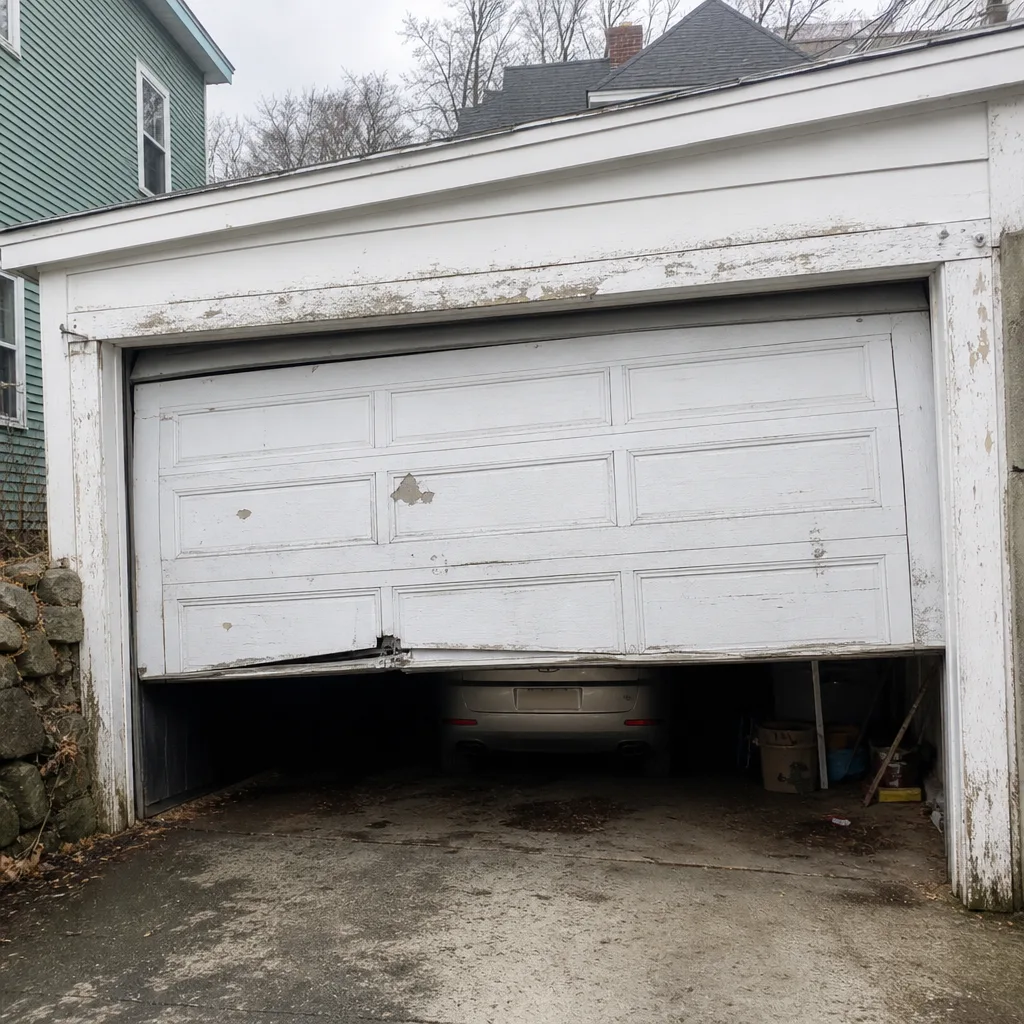 Before
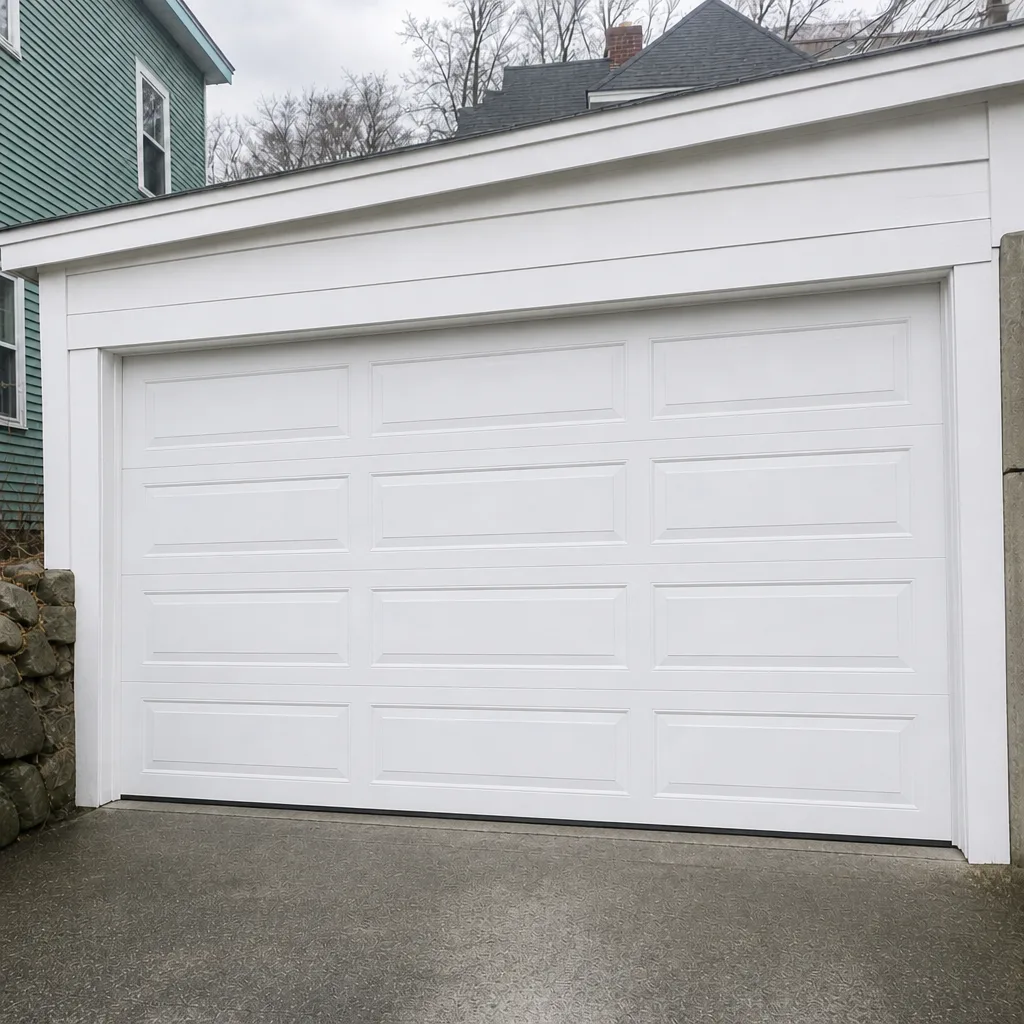 After
When to Call a Professional
Call a specialist when a spring has snapped, a cable has failed, a door is off its track, or an opener has stopped responding. Call when a door binds or reverses unexpectedly. Call when a section is damaged. Call when you’re considering a new door, a wider opening, a header modification, or any work that might trigger a permit – the conversation about whether a permit is needed is worth having before you buy anything. Don’t attempt spring or cable replacement on your own; the tension involved can cause serious injury.
Garage Door Repair Jamaica Plain offers free estimates in Jamaica Plain. We can walk through whether your project is a repair or an installation, and we’ll tell you honestly when a permit is likely to be involved. Call (833) 468-3616. We answer 24/7. Fast dispatch from 7am to 7pm, Sunday through Friday, and we’re closed on Saturday. Our technicians have up to 9 years of experience, and our written estimate sets the final price before any work starts.
Frequently Asked Questions
It depends on the scope. A like-for-like replacement of a door with one of the same size and weight is often treated as maintenance, but a new door that changes the opening, involves header work, or adds a door to a structure that didn’t have one typically requires a permit through Boston ISD. Confirm the current interpretation with ISD before you order the door, and ask your contractor for the permit number if one is required. Call (833) 468-3616 for a free estimate and we’ll walk through what your specific job involves.
No. Spring replacement, cable repair, hinge and roller work, and opener repair are all maintenance and don’t require a permit. Permit requirements apply to construction and structural work, not to repairing a component of an existing system. Call (833) 468-3616 for a free estimate on spring or opener repair.
Permit fees in Boston are set by ISD and vary by project type and valuation, so we can’t quote you a number that will hold. The right move is to call ISD directly for the fee on your specific scope, or ask your contractor to include the permit cost as a line item in the written estimate. Whatever ISD charges is part of the written price, not an add-on after the fact. Call (833) 468-3616 for a garage door estimate in Jamaica Plain.
Yes, potentially. If the buyer’s inspector flags installation work that should have had a permit, the buyer will typically ask for either the permit or a credit, and a retroactive permit can mean opening up the work to be inspected. The safest path is to confirm with ISD before the work starts and keep the permit and inspection paperwork with your property records. Call (833) 468-3616 to talk through your installation before you get started.
Typically the spring type and mounting, the containment cables on extension springs, the opener’s photoelectric eyes and pressure reverse, the header and framing if structural work was done, and the door’s alignment and seal. The details vary by inspector and by whether it’s a permit inspection or a resale inspection, but those are the items that come up most often. Call (833) 468-3616 if you want an estimate on getting a door or opener into code-compliant condition.
Part of Jamaica Plain is in a historic district, and within that overlay an exterior change like a new garage door is subject to design review in addition to any building permit. Repair work generally isn’t affected, but visible changes are. If you’re not sure whether your property is in the overlay, ask the city before you order a door. Call (833) 468-3616 and we can help you think through timing on a new installation.
The Bottom Line
For most Jamaica Plain homeowners, the permit question never comes up. Repairs – springs, cables, openers, sections – don’t require one, and that’s the bulk of the work a garage door specialist does. The line is crossed when a new door goes in, the opening changes, or structural work on the header is involved. At that point, Boston ISD is the authority, the permit should be in writing, the inspection should be scheduled, and the paperwork should go in your property file. If your home is in Jamaica Plain’s historic overlay, check design review before you order. And if you’re ever not sure whether your job is a repair or an installation, ask. The distinction matters more than it looks, and it’s easy to get right when you ask before the work starts rather than after.
If you’d like a straight answer on your own door, call Garage Door Repair Jamaica Plain at (833) 468-3616 for a free estimate. We answer 24/7. Fast dispatch from 7am to 7pm, Sunday through Friday, and we’re closed on Saturday. Start with our main Garage Door Repair Jamaica Plain page if you want the full service picture.
Written by the team at Garage Door Repair Jamaica Plain.