
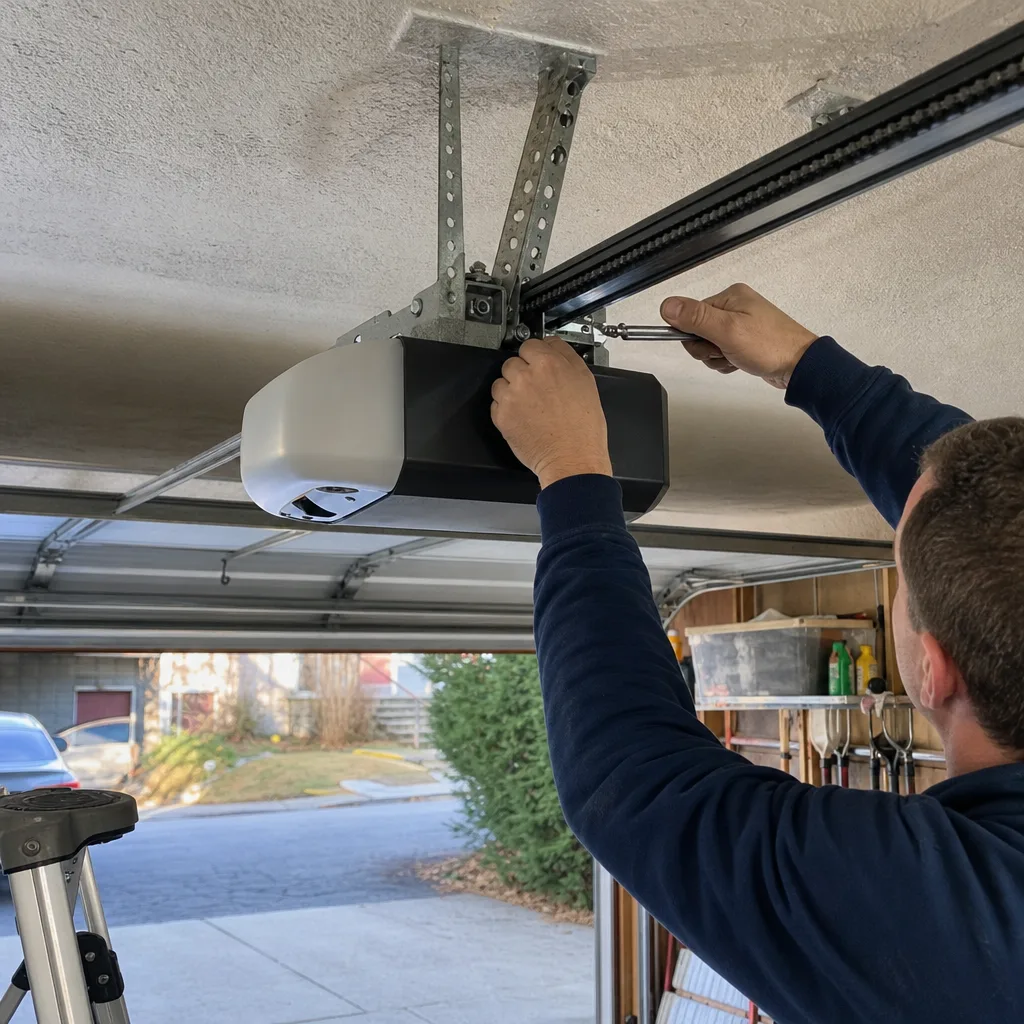
Last updated November 21, 2026
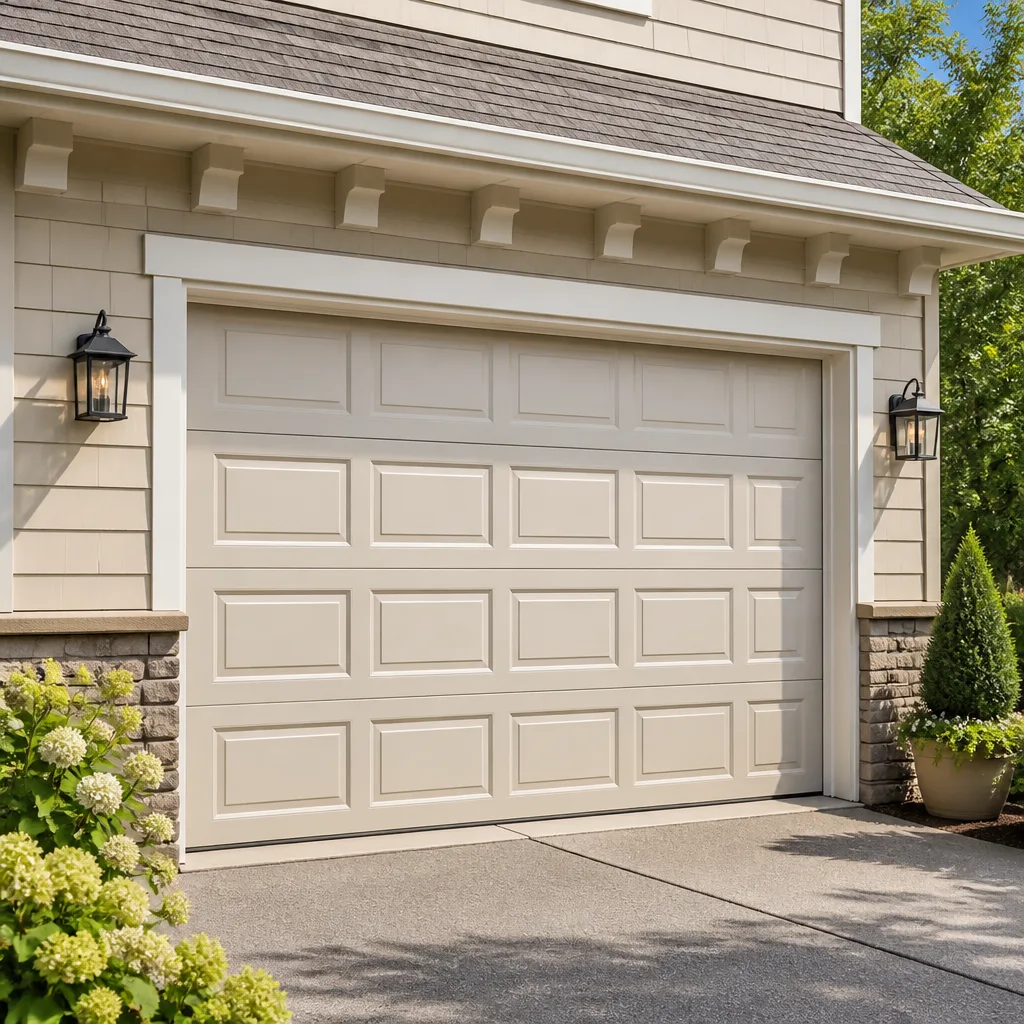 Raised-panel steel
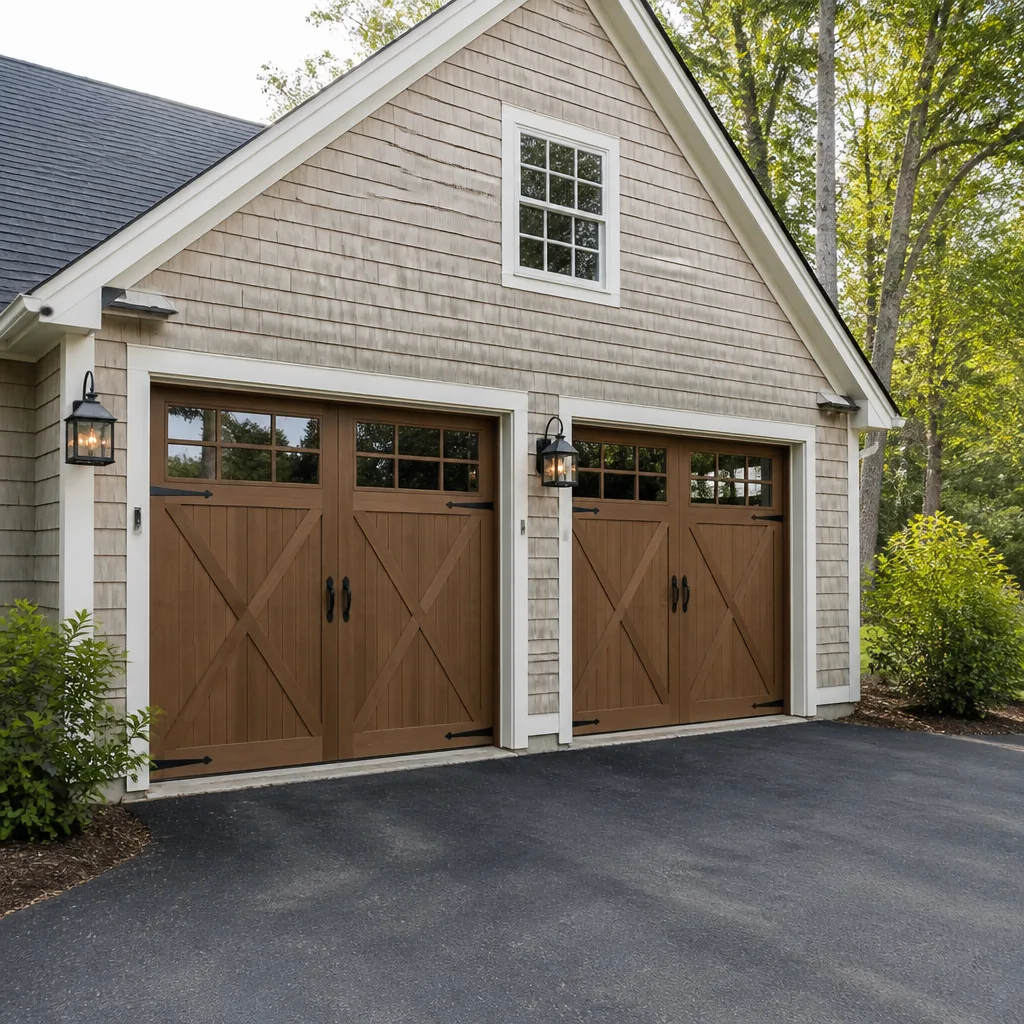 Carriage house
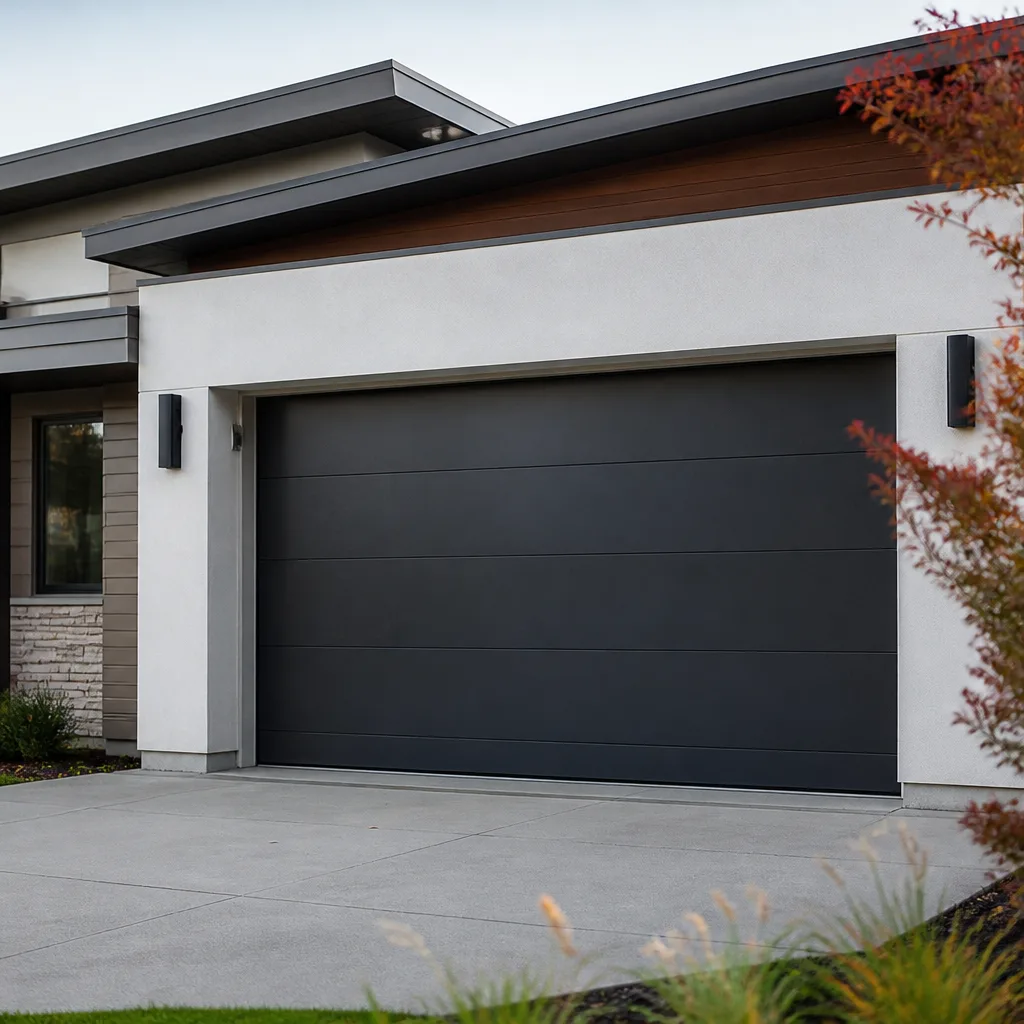 Modern flush
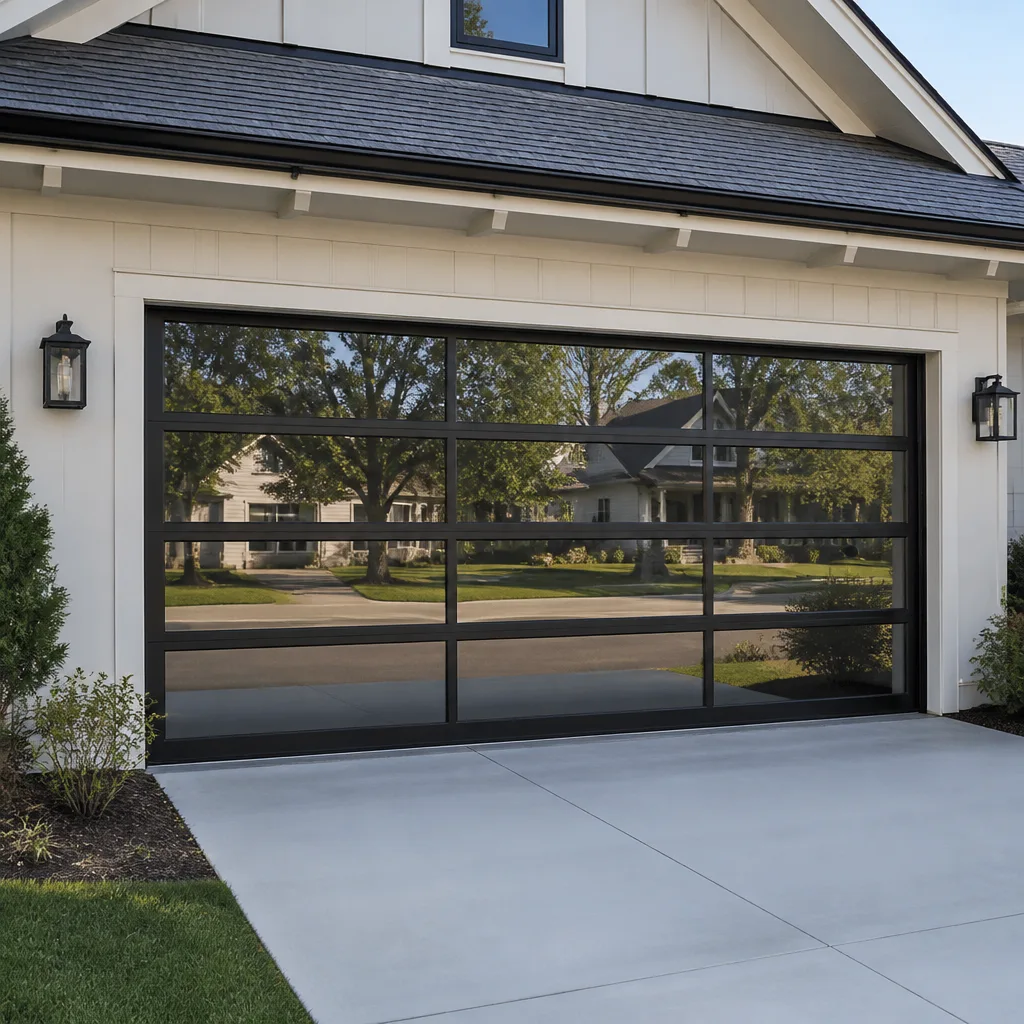 Full-view glass
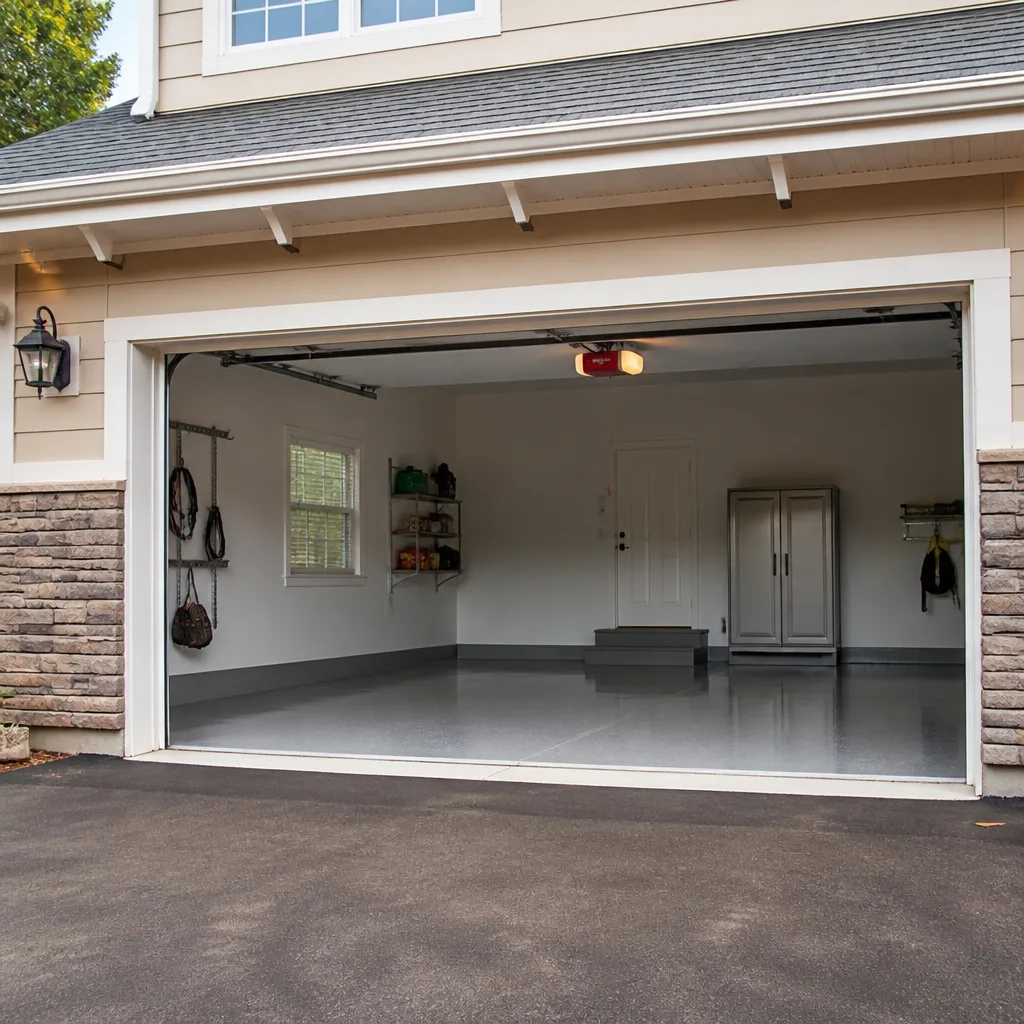 LiftMaster openers
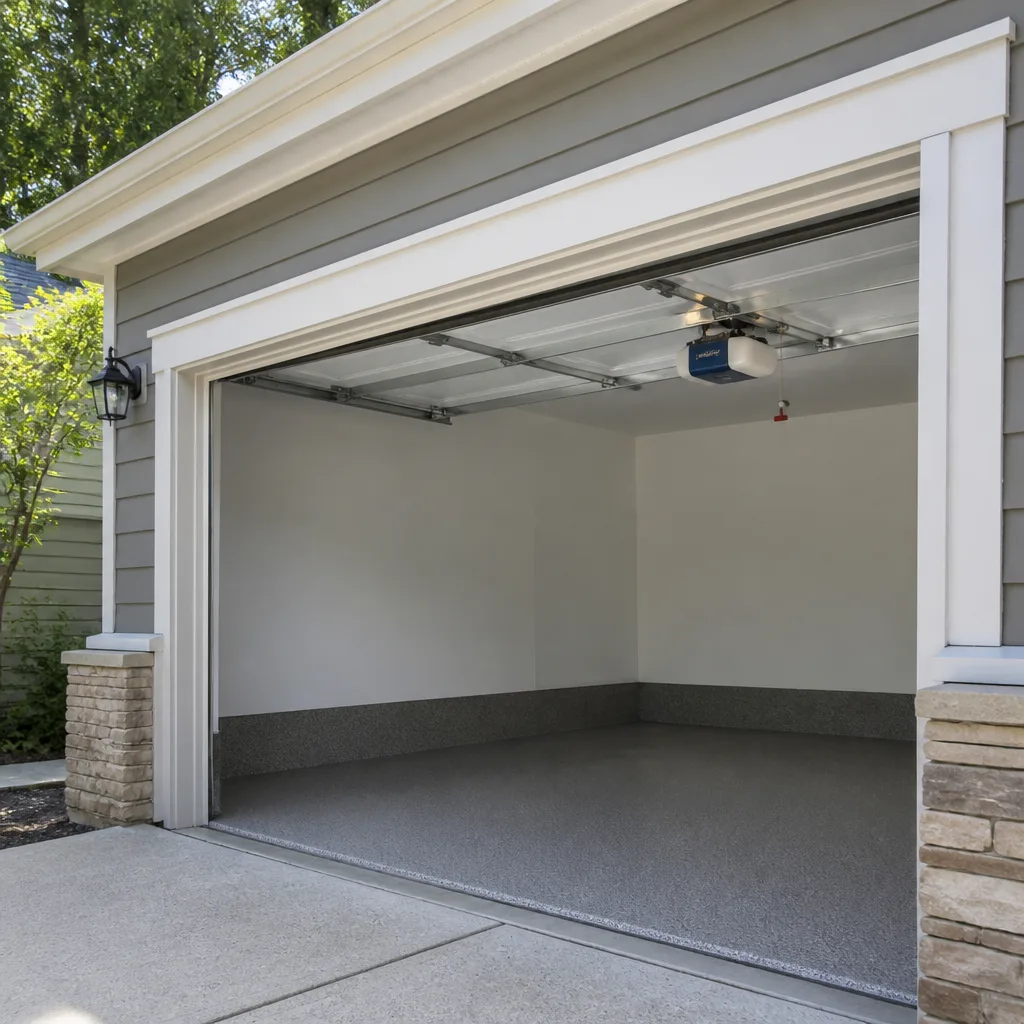 Chamberlain openers
Full 25-point door and opener safety check with every visit - springs, cables, rollers, tracks, and your LiftMaster or Chamberlain opener included
You get a price before we start. It does not change when the pro arrives.
Get your free estimateGarage Door Emergency Preparedness Guide for Jamaica Plain Homes
The call that costs the most is rarely the emergency itself. It’s the one that comes two days later, after a homeowner has spent an hour trying to muscle a jammed door up a track by hand. A broken torsion spring is a contained, predictable repair. A bent track, a snapped cable, and a twisted bottom section are not, and they all start with the same sentence: “I just wanted to get my car out.” In a neighborhood where most driveways are short and the garage is the front door in practice, that urge is understandable. This guide is about doing it correctly. You’ll learn how to release a door safely, how to secure one that won’t close, what to do in a power outage, and exactly what to tell us when you call so the right parts arrive with the technician. It’s written for Jamaica Plain homes, where triple-decker conversions, older detached garages, and narrow side lots shape how these jobs actually go.
Quick Answer
A garage door emergency in Jamaica Plain is handled in three moves: stop operating the door, use the manual release cord (pull straight down and hold, then lift the door by hand with the spring tension gone), and call (833) 468-3616 with your door’s brand, opener brand, and what the door did right before it failed. Never force a door that won’t move freely after release, and never try to open or close a door with a visibly broken spring. Most spring and cable failures are repairable the same day, and the local pro is licensed and insured as their state requires. The price is quoted and agreed before any work starts.
Styles & brands we work with
- Raised-panel steel
- Carriage house
- Modern flush
- Full-view glass
- LiftMaster openers
- Chamberlain openers
Table of Contents
- How do you get a car out of the garage when the door won’t open?
- What do you do when the garage door won’t close?
- What happens during a power outage, and are battery backup openers worth it?
- What should you tell the technician when you call?
- What happens when you call
- What does garage door emergency repair cost in Jamaica Plain?
- How do you prepare a Jamaica Plain garage before something breaks?
- How do Jamaica Plain winters affect garage doors?
How do you get a car out of the garage when the door won’t open?
The manual release gets the car out, and it’s the single most useful thing a homeowner can learn before they need it. Almost every residential door in Jamaica Plain has a red or yellow release handle hanging from the trolley that runs along the opener rail. Pulling it disconnects the door from the opener so you can lift it by hand. The door will feel heavy, because you’re lifting weight the opener normally moves for you. What the cord does not do is remove spring tension from a broken door, so the sequence and the caution matter more than the pull.
- Stop pressing the button. If the door moved partway and stopped, leave it. Repeated button presses strain the opener gear and can drop a door that’s hanging on one cable.
- Look before you touch. Check whether the door is crooked, whether either cable is slack or hanging, and whether any spring above the door is visibly separated into two pieces. If any of that is true, skip to step 6.
- Pull the release cord straight down, firmly, once. Don’t yank it repeatedly. You should hear or feel the trolley disengage.
- Lift slowly with both hands, using the bottom section for leverage, not the panels. Once the door is up, it should stay up on its own. If it starts sliding back down, stop and lower it gently.
- Drive out, then close the door by hand and secure the garage another way until the technician arrives. Re-engaging the trolley on a door you can’t lift smoothly is how tracks get bent.
- If the door won’t lift freely or won’t stay up, leave it closed. A door in that condition is held by whatever is left of the spring or cable, and lifting it by hand can release that stored energy suddenly. That’s a call to us, not a project.
The reason we spell this out: torsion springs above the door are under extreme tension even at rest, and the cables that run beside them are what keep the door from falling. They’re the parts a trained technician handles with winding bars and the door braced. No homeowner should be near them. If your spring has snapped, the manual release buys you a way out of the driveway, nothing more. Call garage door repair help and let the door sit until someone who works on springs arrives. We answer 24/7. Fast dispatch from 7am to 7pm.
What do you do when the garage door won’t close?
A door that won’t close is a security problem first and a repair second. A garage that stays open on a Jamaica Plain side street overnight is an invitation, and the fix for tonight is different from the fix for the week. The most common causes are a misaligned safety sensor, an obstruction the opener sees, a dead remote battery, or a limit setting that’s drifted. A door that closes partway and reverses is usually telling you its sensors aren’t lined up.
Before you call anyone, check these in order:
- The photo-eye sensors. They sit a few inches off the floor on each side of the opening. Wipe them off, look for anything between them (a recycling bin, a bike, a shovel handle), and check that neither has been nudged out of aim. The indicator lights on most units stay lit when the beam is clear.
- Obstructions in the track. Debris, a loose bolt, or a bent section of track can stop travel. Look, don’t reach into a moving door.
- The wall button. If the wall button works and the remote doesn’t, the problem is the remote or the receiver, not the door.
- The opener’s force settings. If you’ve recently adjusted anything, that’s a likely culprit. Don’t keep dialing force up to make a binding door close; that’s masking a problem.
If the door won’t close and you need security tonight, close it by hand using the manual release, then either engage the slide lock if your door has one or drop a bar or pipe through the track roller brackets on both sides just above the bottom roller. A zip tie through the release cord loop and around the rail is a common trick to stop someone reaching in through a gap and pulling the cord, but treat it as a short-term measure, because it has to come off before any repair. If there’s evidence someone has tampered with the door or opened it while you were out, call the police first. A technician fixes the door; the police report covers the break-in.
Once the immediate security is handled, schedule the repair. A sensor alignment or a limit adjustment is a quick visit, and a door that won’t close is one of the cases where we can usually help the same day. Call (833) 468-3616. We answer 24/7. Fast dispatch from 7am to 7pm, Sunday through Friday.
What happens during a power outage, and are battery backup openers worth it?
During a power outage, the manual release is your override, and it works the same way whether or not there’s a battery involved. Pull the release cord, lift the door by hand, drive out, lower it by hand, and re-engage the trolley once power returns by running the opener and letting it reconnect the carriage. If the door feels like it takes real effort to lift, that’s normal for a door with no opener assist, but if it won’t stay up, don’t force it.
Battery backup openers are worth a serious look for Jamaica Plain households where the garage is used every day. If you work from home and the garage holds the car you need at 8am, a door that can’t be opened when the power drops is a scheduling problem on top of a security problem. Battery backup models from LiftMaster and Chamberlain keep the opener running through an outage, and they’re installed the same way as a standard unit. For homes with an existing opener, a technician can tell you whether your current unit supports a battery backup kit or whether replacement makes more sense. The same conversation covers smart-home connectivity, since many newer openers integrate with phone apps and home assistants, and older Genie and Craftsman units often can’t.
If your opener is older and already struggling, this is the moment to look at the whole picture rather than patching it. We handle garage door opener repair on both connected systems and older drives, and we can quote a replacement on the same visit. A dead opener isn’t an emergency if the manual release works, but it’s a good reason to book a visit while the weather is on your side. Installation and replacement work is measured and scheduled, not same-day, so a free measure and a written price is the right first step. Call (833) 468-3616.
What should you tell the technician when you call?
What you tell us on the phone determines how fast the visit goes, because a technician arrives with the parts your specific door needs or doesn’t. A broken torsion spring, a snapped extension spring, a bad opener gear, and a dead sensor are four different jobs, and the truck that shows up should be carrying the right one. The two minutes you spend reading a label saves you a second visit.
Have these ready before you call:
- The door brand and material. Clopay and Amarr steel doors are among the most common in this area, and the make often appears on a sticker on the bottom section or the hinge plate.
- The spring type and rough size. Torsion springs sit horizontally above the door; extension springs run along the tracks on each side. The color painted on the end of a torsion spring tells a technician its wire gauge, so read the color if you can see one safely from the floor.
- The opener brand and model. LiftMaster and Chamberlain cover a lot of what we service locally, but Genie and Craftsman are common too. Snap a photo of the opener’s label on the back or side.
- What it did before it failed. “It made a bang and the door dropped” points to a spring. “It reverses halfway up” points to a sensor or a limit. “Nothing happens at all” points to opener electronics or power.
- Door weight or panel count, if you know it. A single-car wood door and a double-car insulated steel door need different springs, and knowing the door helps us match it.
- Your address and access notes. Jamaica Plain has plenty of narrow side driveways, shared alleys, and garages at the back of a lot. Tell us where to park and whether the garage is detached, and we’ll plan around it.
Photos help more than descriptions here. A shot of the spring, the opener label, and the inside of the doorway answers most of what we need before we roll. We work on the brand you already own, so there’s no need to shop for a new opener before you call. If you’d rather plan ahead, garage door repair in Jamaica Plain covers the full range of what we see.
What happens when you call
We answer 24/7, which means a spring failure at 6am doesn’t wait for a message to be returned. What you can count on when you call is a straight conversation: what’s wrong, what it’s likely to take, and when a technician can be at your door. Fast dispatch runs from 7am to 7pm, Sunday through Friday. A call outside those dispatch hours is booked into the next opening, so if your door fails late on a Friday night, you’ll have a scheduled visit waiting rather than a voicemail to chase down.
During the call, we’ll confirm what’s broken, whether the door needs to stay shut, and how to secure it until we arrive. If the door is blocking a vehicle you need, we’ll walk you through the manual release over the phone. If the safest move is to leave it alone, we’ll say so. We don’t quote over the phone on emergency work, because the range for a single spring versus a matched pair, or a snapped cable alongside a bent track, is too wide to guess at.
Once a technician is on site, the visit follows a set sequence: diagnose the actual failure point, tell you what it takes and what it costs, and get your agreement to the written estimate before any wrench turns. That’s the answer to the question every homeowner asks – the price is quoted and agreed before any work starts. What you approve on the estimate is what the job costs. No work begins until you’ve said yes to the number in writing.
Our technicians have up to 9 years of experience, and they’ve handled the full range of what a Jamaica Plain garage throws at them: rusted cables, springs that let go in the middle of a February cold snap, openers that lose their limits as the temperature swings, and doors that haven’t been lubricated in a decade. When a repair turns out to be more than a repair, they’ll say that too. Replacing 20-year-old tracks on a door that’s already creaking is a conversation, not an upsell.
What does garage door emergency repair cost in Jamaica Plain?
Garage door emergency repair in Jamaica Plain typically runs $180-$340 for a single spring replacement, $95-$180 for a sensor or opener adjustment, and $250-$450 for a broken cable repair, with the exact price set by the written estimate. The number that surprises homeowners is rarely the repair itself. It’s the second visit caused by damage from forcing the door. A jammed door that gets manhandled can bend a track or snap a cable, and that’s extra work the original repair didn’t include.
Typical estimates for common Jamaica Plain garage door calls:
- Single torsion spring replacement: $180-$340. A matched pair is usually replaced together, and since a pair costs about twice a single spring, budget roughly $360-$680 for the set.
- Broken cable replacement: $250-$450 per cable, depending on the door.
- Safety sensor or opener adjustment: $95-$180.
- Roller and hinge replacement: $80-$200, depending on count and material.
- Full opener replacement, installed: $380-$800, depending on unit and door weight. This work is measured, ordered, and scheduled rather than done the same day.
- New door installation: priced by measure and door size; a free measure and written price is how it starts.
Costs in Jamaica Plain tend to land in the middle of the Boston market. Detached garages off the back of a lot can add time for carrying tools and equipment in, and older doors with obsolete hardware can need a part ordered in. Neither is a reason for a different hourly number. What you should see is a written quote that breaks out parts and labor, and a final bill that matches it. If a repair turns up something a technician didn’t see until the door was open, you’ll hear about it before the work continues, not on the invoice.
Estimates are free. Call (833) 468-3616 for a quote that holds – the price you approve is the price charged. If the estimate comes in and the repair is beyond what makes sense, we’ll tell you what replacement would look like. Either way, you’re deciding before any work starts.
How do you prepare a Jamaica Plain garage before something breaks?
Prevention here is mostly a matter of one short inspection a few times a year, done with the door closed. Most garage door failures announce themselves, and the warning signs show up months before the spring lets go. A door that suddenly runs louder, lists to one side, or drops the last few inches faster than it used to is telling you something. The trick is doing something about it in month two rather than month five.
Walk through this list twice a year, and again when the seasons turn:
- Open and close once and listen. Squeaks, grinding, or a rattle in the opener rail are early warning signs. Most hardware can be lubed, and that’s a five-minute job.
- Look at the springs. From the floor, with the door closed. A gap between coils in a torsion spring or a stretch in an extension spring is a reason to call. Don’t touch.
- Check the cables. Both sides, from the bottom roller up to the drum, with the door closed. Fraying wire or slack on one side isn’t normal.
- Look at the rollers and hinges. Steel rollers that sound like marbles in a can and hinges with worn bushings are cheap fixes now and a track job later.
- Test the sensors. Close the door and pass a hand in front of each photo-eye. If the door doesn’t reverse, the sensors need an adjustment before someone gets hurt.
- Test the manual release. With the door closed, pull the cord, lift the door a foot, and let it back down. You should be able to do this without straining. Then re-engage.
- Look at the weather seal. A torn bottom seal lets in water and lets heat out, and both matter more here than in most of the country.
If you’d rather have a professional walk the door once, that’s a reasonable call before winter. Our technicians will check springs, cables, rollers, opener settings, and the sensor eyes in a single visit, and they’ll quote anything that needs attention without doing it unless you say yes. Because we carry the parts side of the business, if something does need replacing, the component is sourced to match your door rather than whatever’s on the shelf. New door shopping goes through garage door installation, which starts with a free measure.
How do Jamaica Plain winters affect garage doors?
Winter is when most of our spring and cable calls come in, and it’s not the cold alone doing the damage. Garage doors in this part of Boston get hit by three things at once: freeze-thaw cycles that move the slab and the door’s alignment, road salt tracked in on tires that corrodes the bottom rollers and hinges, and temperature swings that make steel and wood expand and contract at different rates. The spring that was fine in November is a harder pull in January, and the opener that never tripped its limits starts reversing halfway up once the door stops sliding smoothly.
What tends to fail first:
- Bottom rollers and hinges rust out from the salt and slush a car brings in on a wet day.
- The bottom weather seal tears or freezes to the slab, and a door that has to break a frozen seal every morning stresses the opener.
- Opener force settings drift as the door gets harder to move, and the opener starts reversing or stopping halfway.
- Torsion springs are more likely to fail in the first hard cold snap after a mild stretch, when the steel is contracting.
A few minutes in the fall pay for themselves. Lubricate the springs, hinges, and rollers with a garage-door lubricant (not WD-40), clear the bottom seal and check it for tears, and run the door up and down a few times to confirm the sensors are working before the first storm. If you’re away for part of the winter, have someone open and close the door weekly so the hardware doesn’t sit still in the cold. And if the door is dragging, call before the opener’s gears take the strain. Call (833) 468-3616. We answer 24/7. Fast dispatch from 7am to 7pm.
Common Mistakes to Avoid
- Forcing a door with a broken spring. A door that won’t lift easily after manual release is held by a broken spring or a compromised cable. Raising it by hand puts the full weight of the door on whatever is left, and the door can come down.
- Pulling the release cord while the door is open. The door will drop if the spring tension is gone. Always pull the cord with the door down, and re-engage the trolley with the door down.
- Holding the wall button to “help” the opener. If the door is binding, the opener is already working harder than it should. Holding the button masks the problem and burns out the gear faster. That’s not a repair, it’s a deferral with a bill attached.
- Turning up the opener’s force setting. Some openers have a dial or a set of screws that adjusts how hard the opener pushes. Dialing that up to get a dragging door closed is asking the opener to fight a mechanical problem it can’t win, and the next failure is the opener gear or the door itself.
- Replacing one spring of a matched pair. Torsion springs on a two-spring door wear at the same rate. Replacing one leaves you with an old spring on borrowed time and a cable pulled to one side. The right call is usually the pair, priced at about double a single spring.
- Ignoring a door that reverses partway. A door that closes most of the way and reverses is usually a sensor or limit issue, and it’s a cheap fix early. Left alone, it often turns into a door that won’t close at all, plus a night spent worrying about the garage.
- Leaving the garage open after a break-in attempt. If someone has tampered with the door or the latch, close and secure it by hand tonight and call the police if there’s damage or evidence. A technician comes after the report, not instead of it.
See the difference
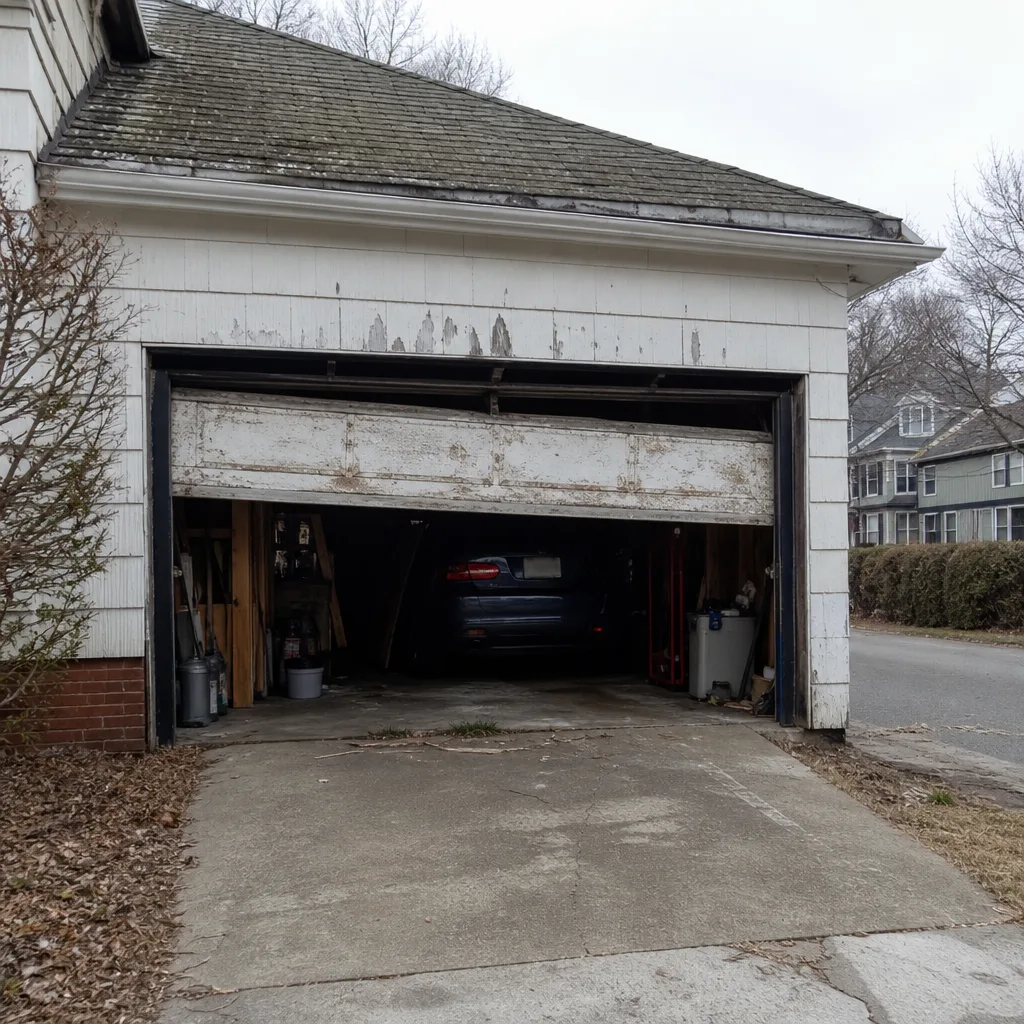 Before
 After
 Before
 After
 Before
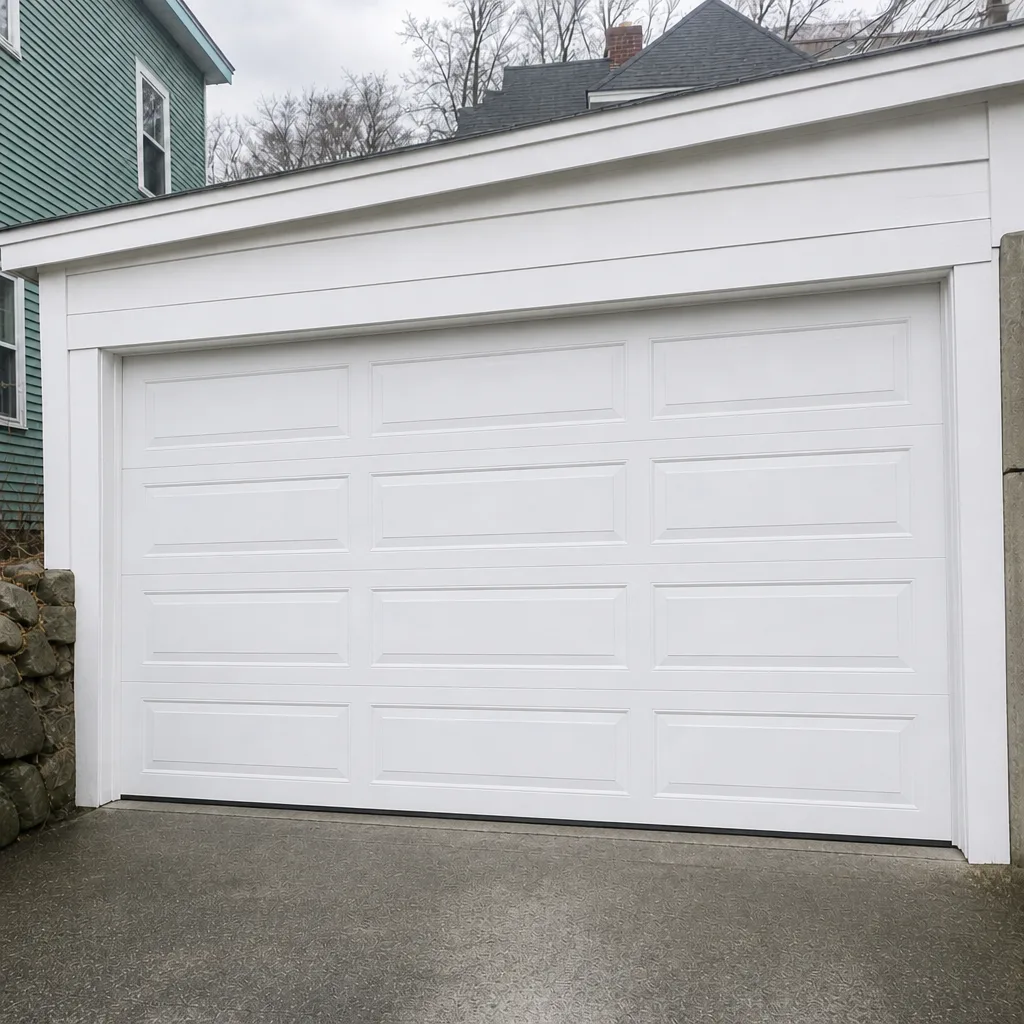 After
When to Call a Professional
Call a professional if a spring is broken or visibly stretched, if a cable is slack or frayed, if the door won’t lift freely after release, if the door reverses or stops partway, if the opener runs but the door doesn’t move, or if the door won’t close and you can’t secure it. Those are all conditions where a trained set of hands is the difference between a repair and a bigger repair. The high-tension parts of a garage door – the torsion springs above the header and the cables at each side – are not homeowner work. The door carries a hundred pounds or more, and a spring that lets go under load doesn’t warn anyone first. Garage Door Repair Jamaica Plain offers free estimates in Jamaica Plain – call (833) 468-3616. We answer 24/7. Fast dispatch from 7am to 7pm, Sunday through Friday.
Frequently Asked Questions
You can usually get the car out, but the door will be very heavy, and you should use both hands and lift slowly from the bottom section. Pull the release cord with the door down, lift the door until it stays up, and drive out. Don’t force it if it won’t stay up; that’s a door to leave closed until the spring is replaced. Call (833) 468-3616 for an exact quote – estimates are free.
A single torsion spring replacement in Jamaica Plain typically runs $180-$340, and a matched pair is about twice that, roughly $360-$680, because both are normally replaced together. The written estimate sets the final price, and the price is quoted and agreed before any work starts. Call (833) 468-3616 for an exact quote – estimates are free.
In most cases yes, since a door that won’t close is one of the situations we prioritize, and fast dispatch runs from 7am to 7pm, Sunday through Friday. We answer 24/7, so call (833) 468-3616 and we’ll tell you the soonest a technician can be there. Secure the door by hand in the meantime.
No. The technician diagnoses the problem, writes an estimate, and gets your agreement before any work starts. If the repair turns up something that couldn’t be seen on the way in, you’ll hear about it before the work continues, so the price you approve is the price charged. Call (833) 468-3616 for an exact quote – estimates are free.
The local pro is licensed and insured as their state requires, and our technicians have up to 9 years of experience working on residential garage doors and openers. We work on the brand you already own, including LiftMaster, Chamberlain, Genie, Clopay, Amarr, Wayne Dalton, Craftsman, and Raynor systems. Call (833) 468-3616 for an exact quote.
Yes, if the door lifts and lowers smoothly and stays up when you let go. Re-engage the trolley by running the opener once the door is down. If re-engaging doesn’t catch, don’t keep running the opener – that’s a quick call to us to look at the carriage. Call (833) 468-3616.
No. We set pricing per job, so a same-day spring replacement and a scheduled one come in around the same range, and the written estimate is what you pay. What adds cost is damage from a door that was forced. Call (833) 468-3616 for an exact quote – estimates are free.
We answer 24/7 and are closed on Saturday, so a Saturday call is booked into the next opening, Sunday from 7am to 7pm. Call (833) 468-3616 and we’ll get a visit on the schedule, and secure the door by hand until then.
The Bottom Line
The right response to a garage door emergency is the calm one: stop pressing the button, pull the release with the door down, lift slowly if the door will come up, and call with the brand and symptoms in hand. What separates a $180 repair from a $500 repair is usually not the failure itself, but what happens in the hour before the technician arrives. Springs and cables are the parts to leave alone, and doors that won’t close get secured tonight and repaired on the next visit. A door that’s starting to drag, rattle, or reverse is telling you something now, and it’s cheaper to answer now. If you’re in Jamaica Plain and your door is telling you something, call (833) 468-3616 for a free estimate. We answer 24/7. Fast dispatch from 7am to 7pm, Sunday through Friday. The price is quoted and agreed before any work starts.
Written by the team at Garage Door Repair Jamaica Plain.